


Food and wine pairings:
the philosophy of a wine estate
Food and wine pairing is not a protocol. It’s a conversation between what’s in the glass and what’s on the plate. A conversation that can be simple, spontaneous, sometimes surprising — but always guided by a few fundamental principles.
At Famille Bourgeois, we have been winegrowers in Sancerre since 1696. On this timescale, you eventually understand one essential thing: a wine truly exists only in the moment it is shared. And that moment is at the table.
These food and wines pairing guides have been built from what we observe every year at the estate, during tastings, in our restaurant La Côte des Monts Damnés, and from the feedback of those who visit our cellars in Chavignol.

The three principles of a good food and wine pairing
Even before talking about grape varietals or appellations, it's important to understand the mechanics of food and wine pairing. There are three main approaches – and knowing which one to use makes all the difference.
Complementarity Pairing: balance through contrast
This is the most intuitive principle: we pair what's missing in the dish with what the wine provides. A rich, heavy dish calls for a crisp, acidic wine. A very acidic dish (marinade, citrus) calls for a wine with body and roundness. A sweet, lightly salted dish calls for a wine with mineral tension.
Example: smoked salmon, which is heavy and intense, brightens up with the acidity of a white Sancerre. The wine balances and cleanses the palate between bites. It's pure complementarity.
Similarity Pairing: harmony through resonance
Reverse logic: you choose a wine that amplifies what is already in the dish. A refined and delicate dish deserves a refined and delicate wine. A dish with woody flavors opens up to a wine with barrel aging. A dish with iodized notes dialogues with a mineral wine.
Example: a sea bass tartare with fresh herbs and a white Sancerre from flint soil — the wine's saline minerality resonates with the marine notes of the raw fish. One reinforces the other.
Terroir Pairing: when the soil speaks through the glass and on the plate
This is the logic we hold dearest: pairing a wine and a dish that share the same geography, the same culinary heritage. Regional wines and cuisines have evolved together for centuries.
It's no coincidence that Sancerre white wine pairs so naturally with Crottin de Chavignol cheese: both come from the same clay-limestone terroir of the Loire.
This terroir logic extends beyond regional borders, but it is particularly evident in Sancerre.
The Sancerre Terroir: a key to understanding food pairings
What makes Sancerre unique in terms of food pairing is the diversity of its soils — and the radically different expression each terroir imprints on the same grape variety, Sauvignon Blanc.
Understanding Sancerre’s three main terroirs means understanding which dishes each wine is made for.
Limestone: approachable roundness and freshness
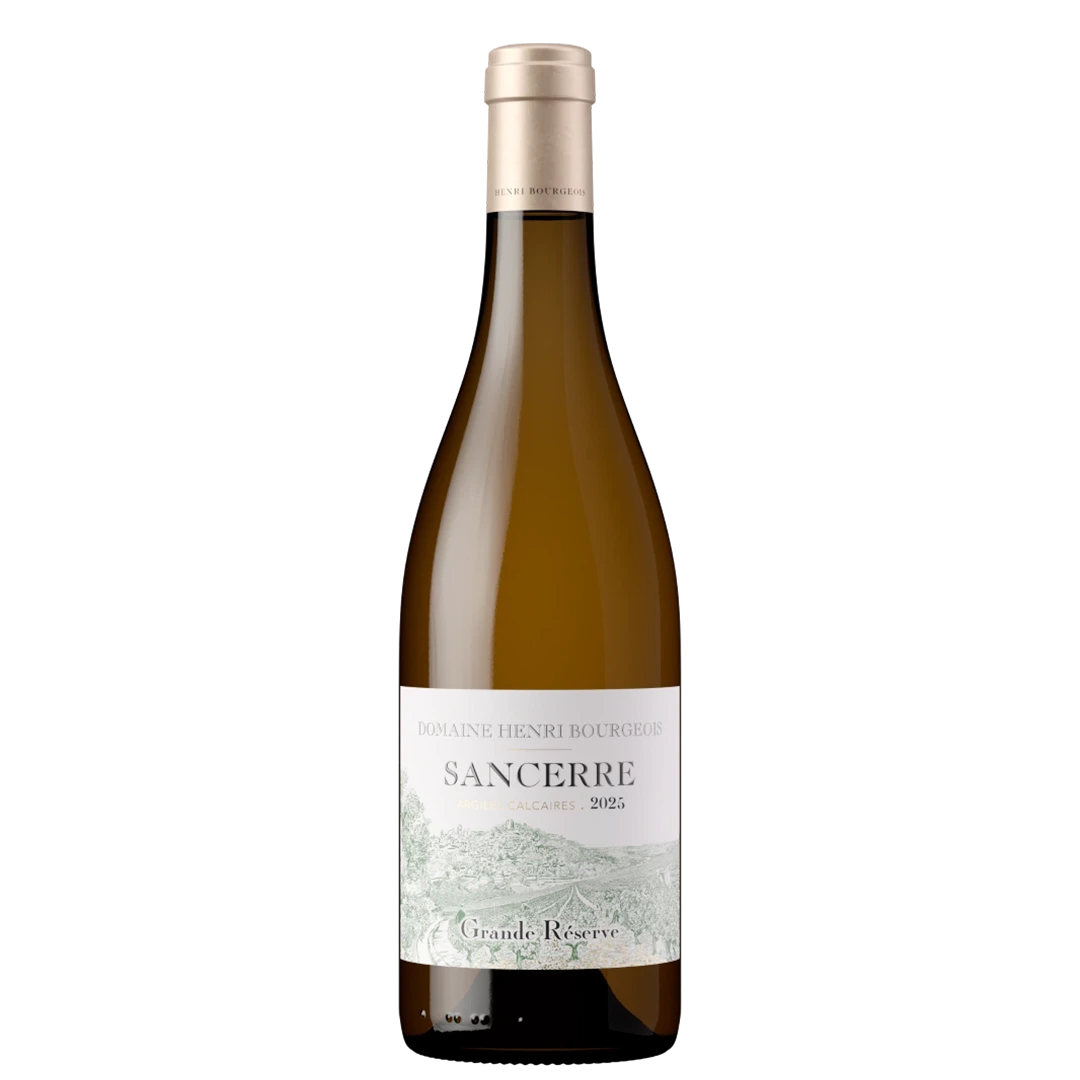
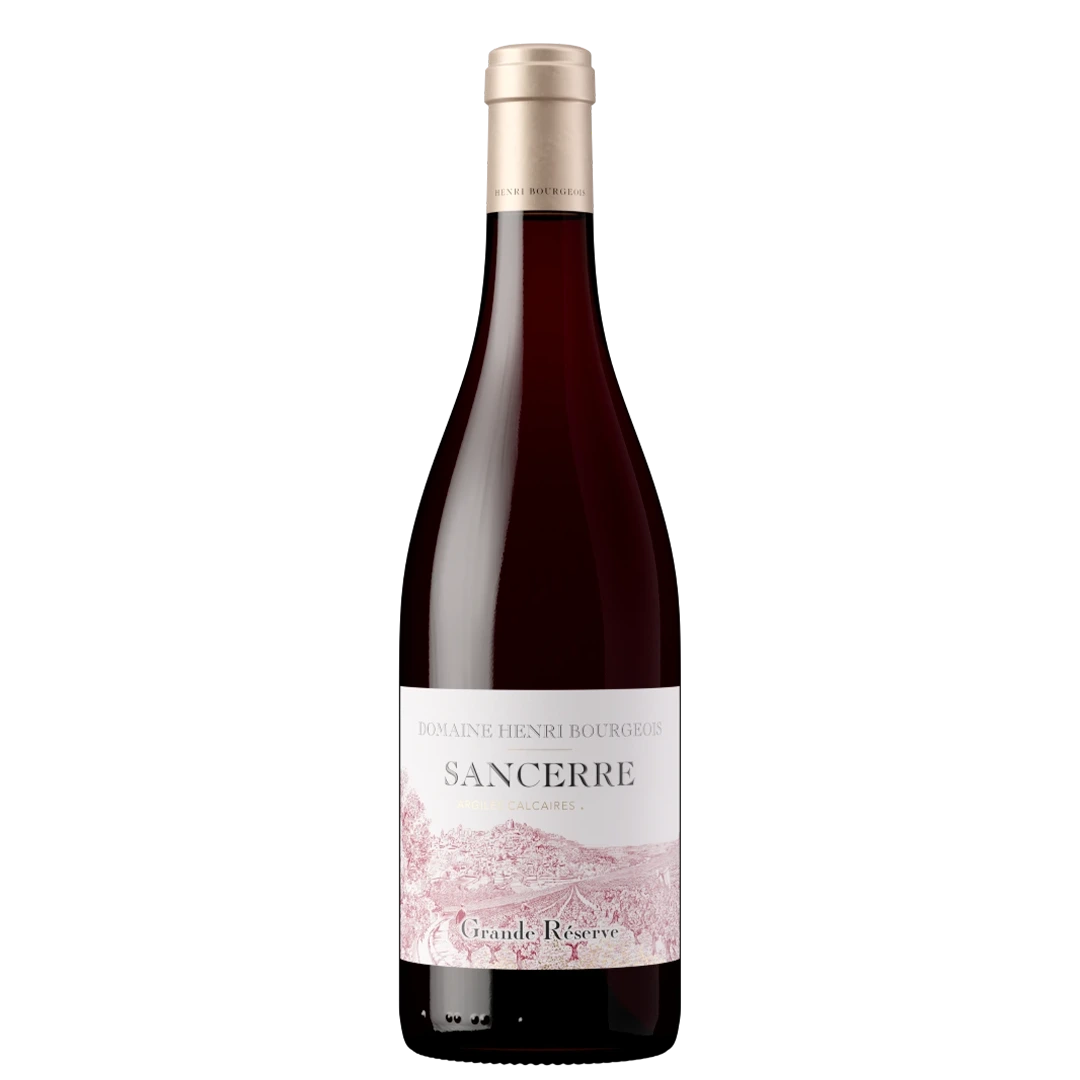
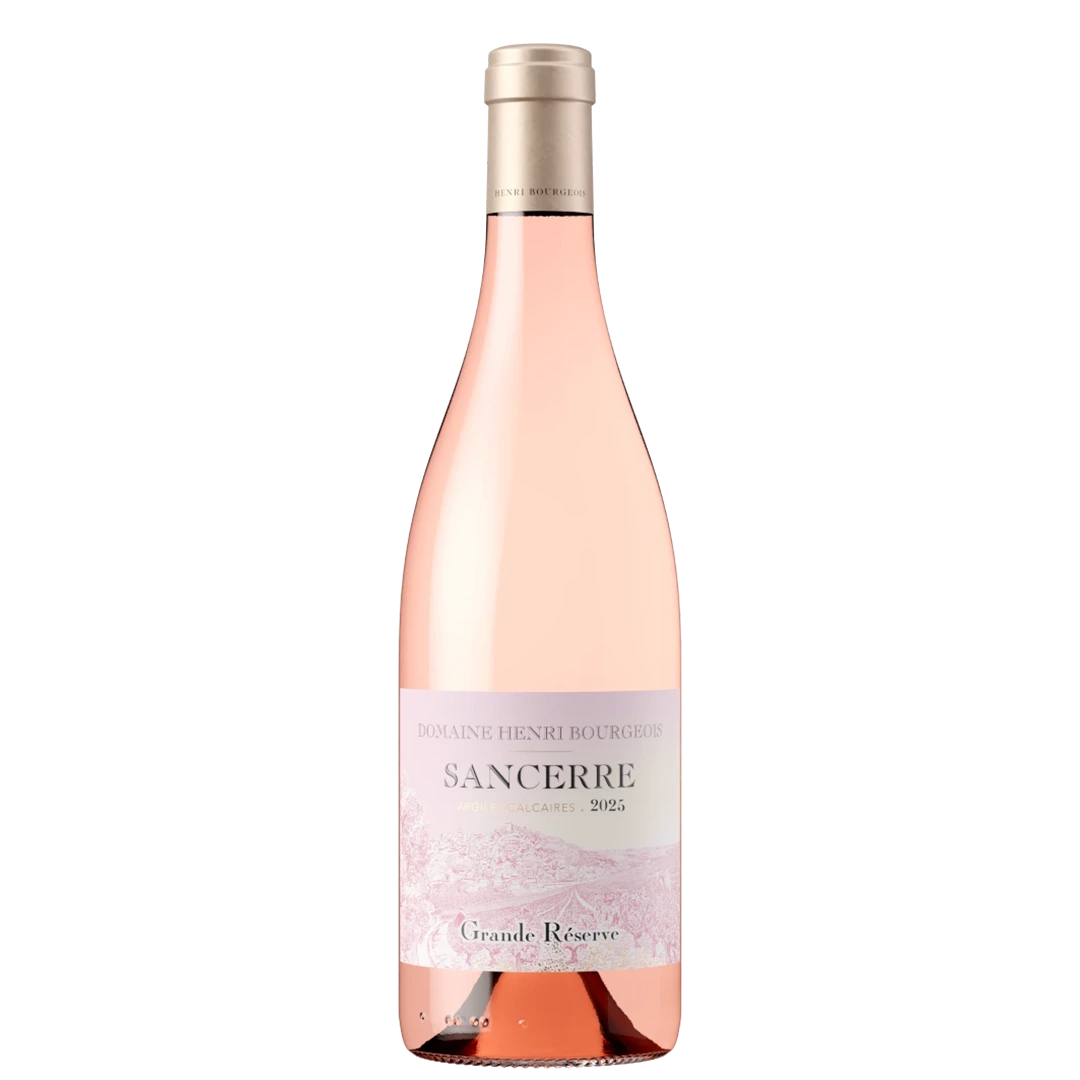
Limestone soils are the dominant terroir in Sancerre. They produce wines that are both round and fresh, aromatically expressive, and immediately accessible. This is a terroir for conviviality and versatility.
Pairings: a wide range of dishes. Grilled fish, roasted poultry, seasonal vegetables, fresh goat cheese. These wines adapt well to any meal without imposing their conditions.
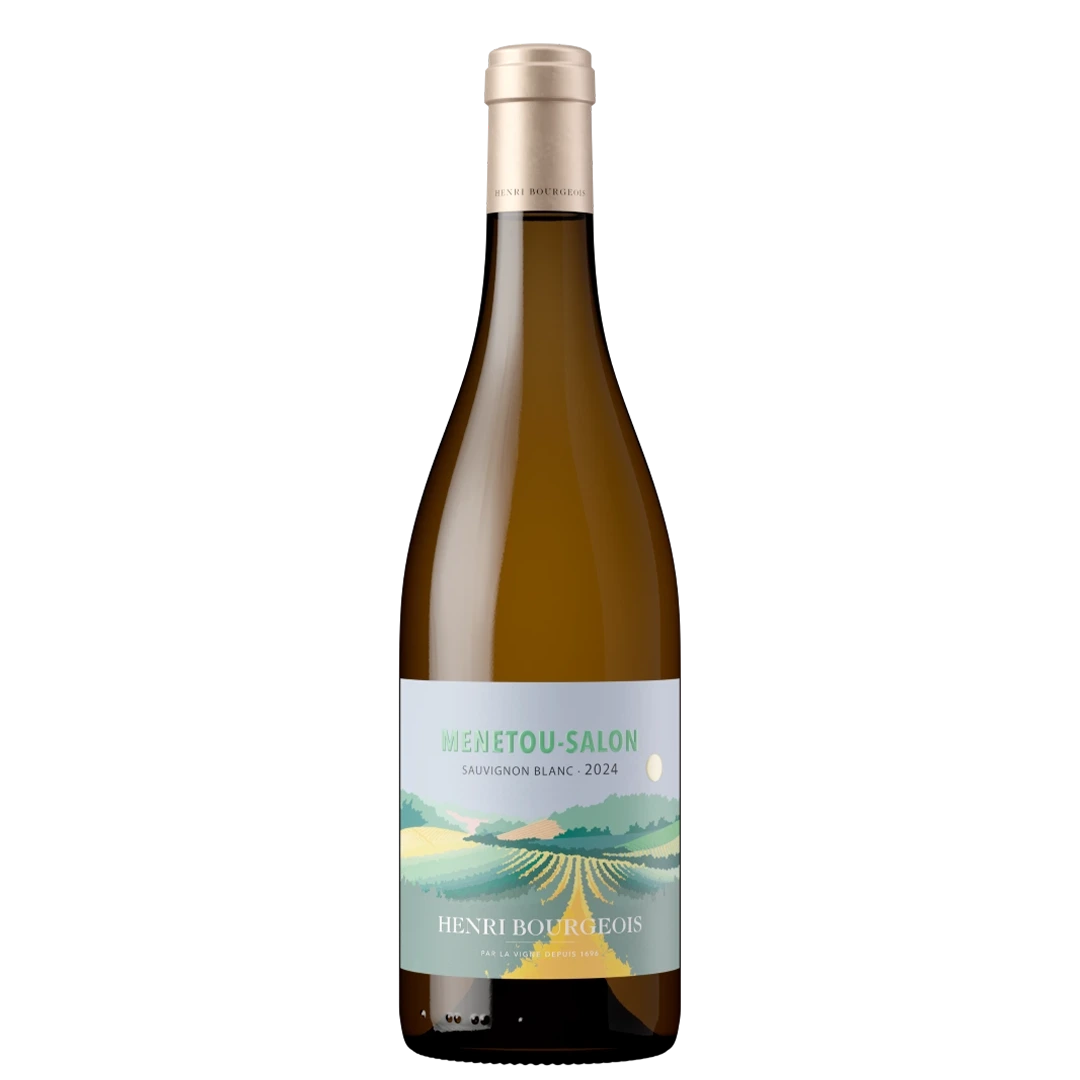
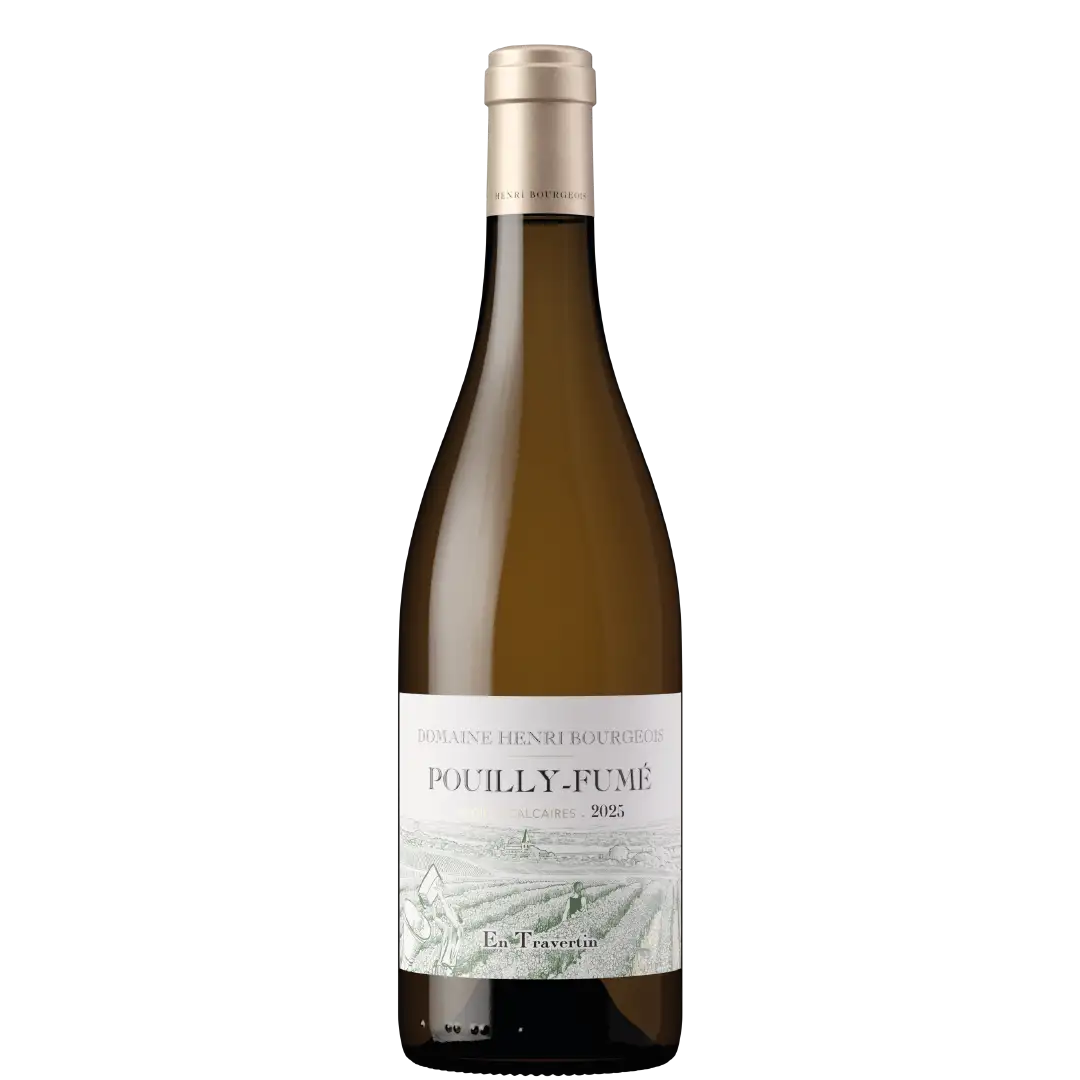
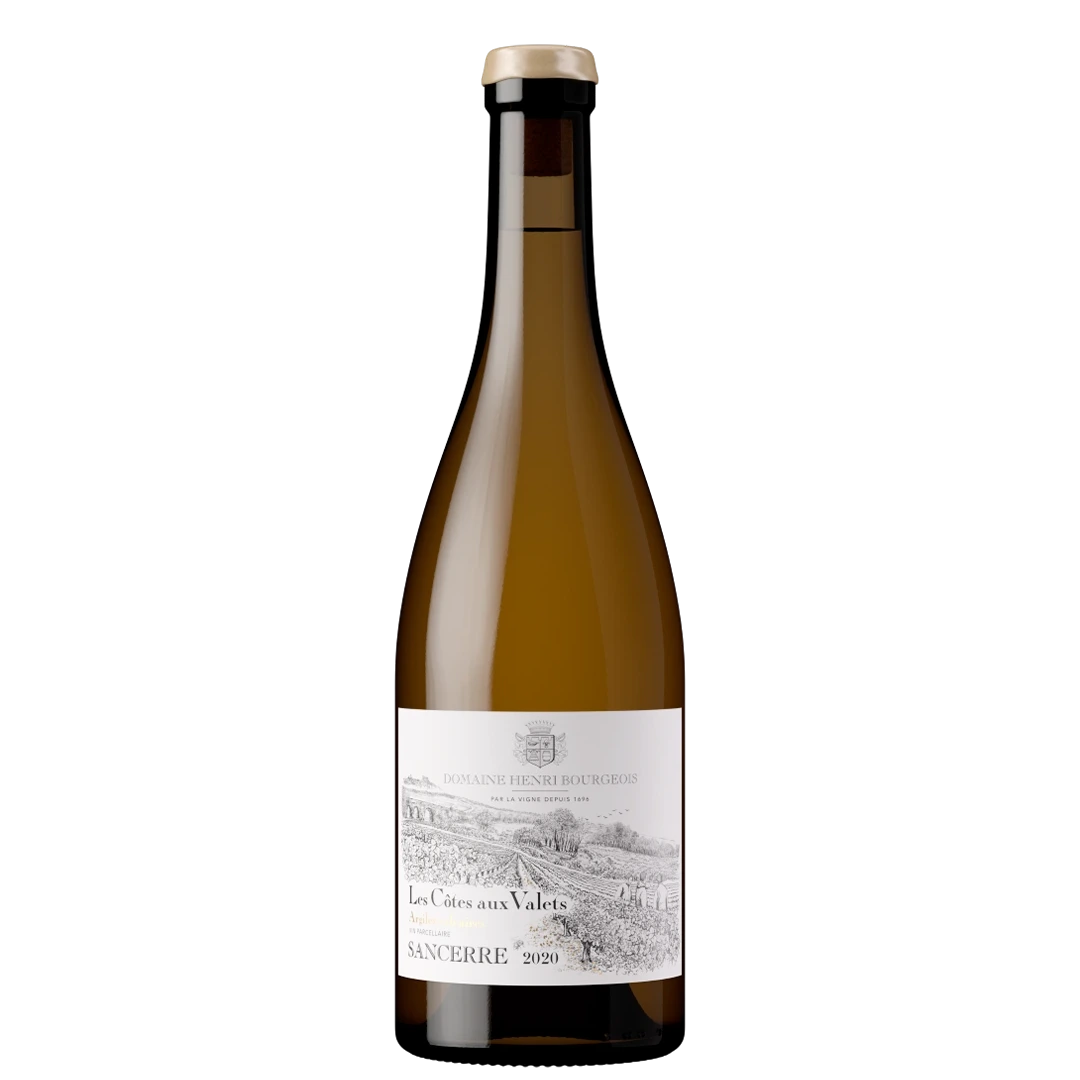
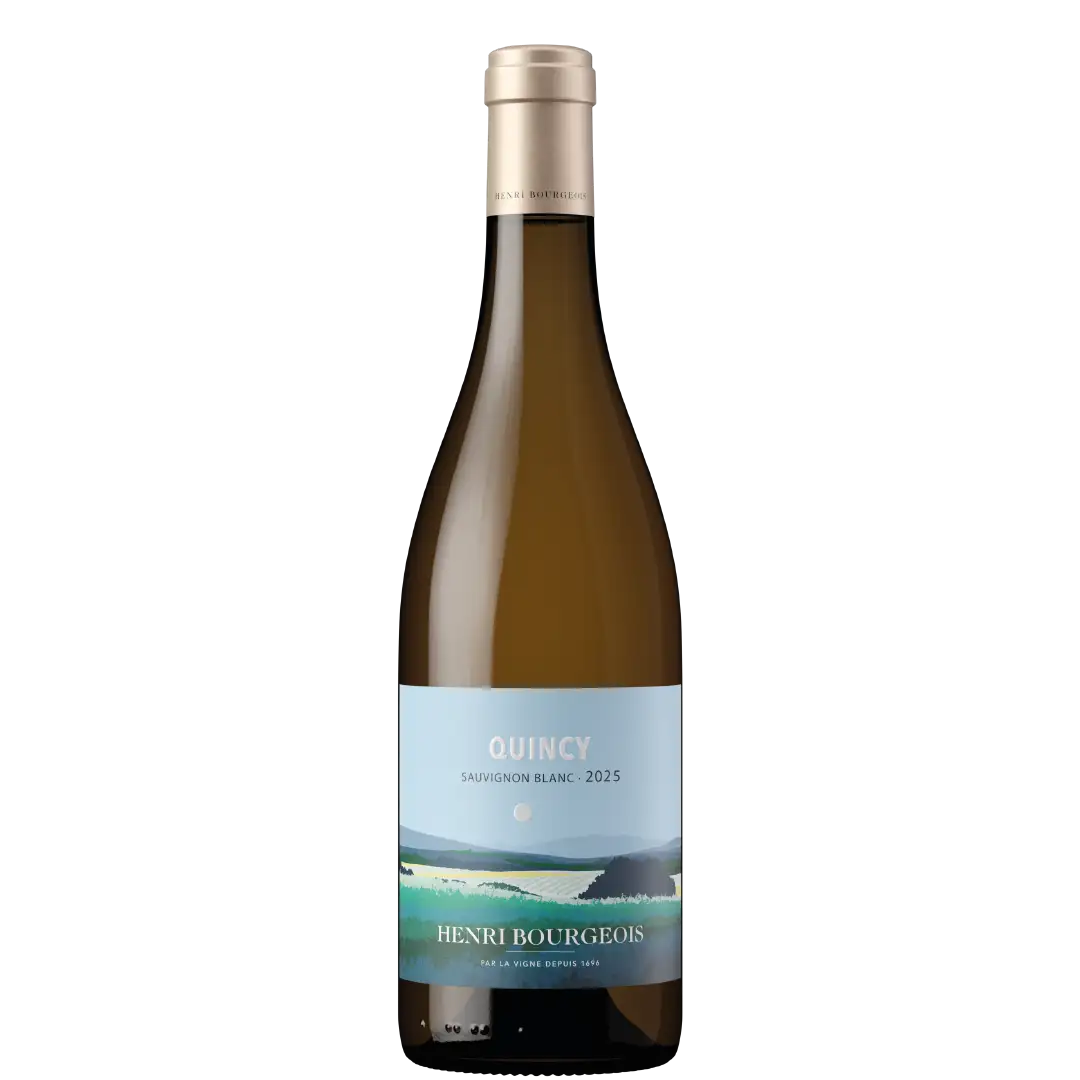
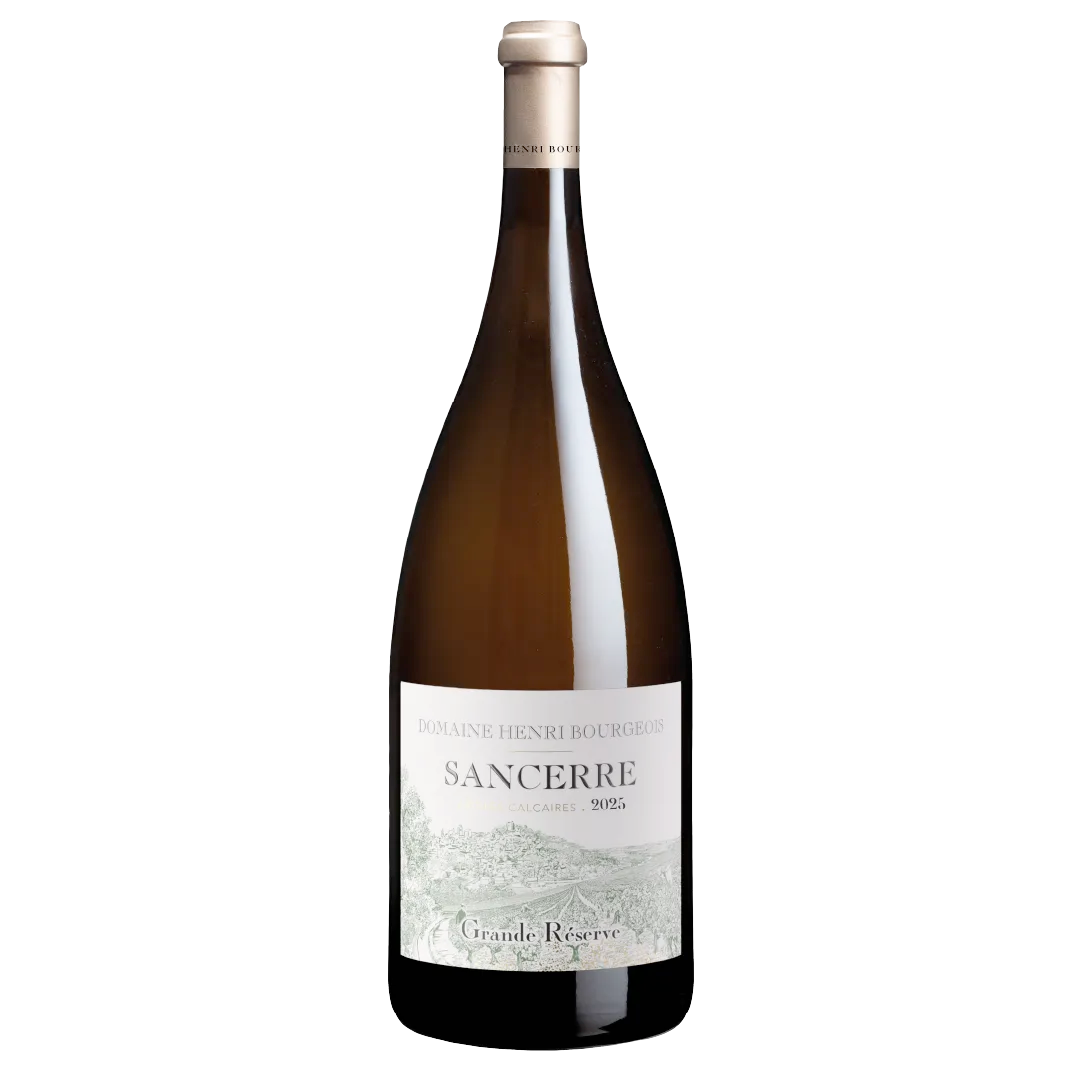
Representative wines: Sancerre blanc "Grande Réserve", Sancerre blanc "Les Côtes aux Valets", Sancerre rosé "Grande Réserve", Sancerre rouge"Grande Réserve". Outside of Sancerre: Pouilly-Fumé "En Travertin", Menetou-Salon blanc, Quincy.
Kimmeridgian marl: tension and structuring minerality
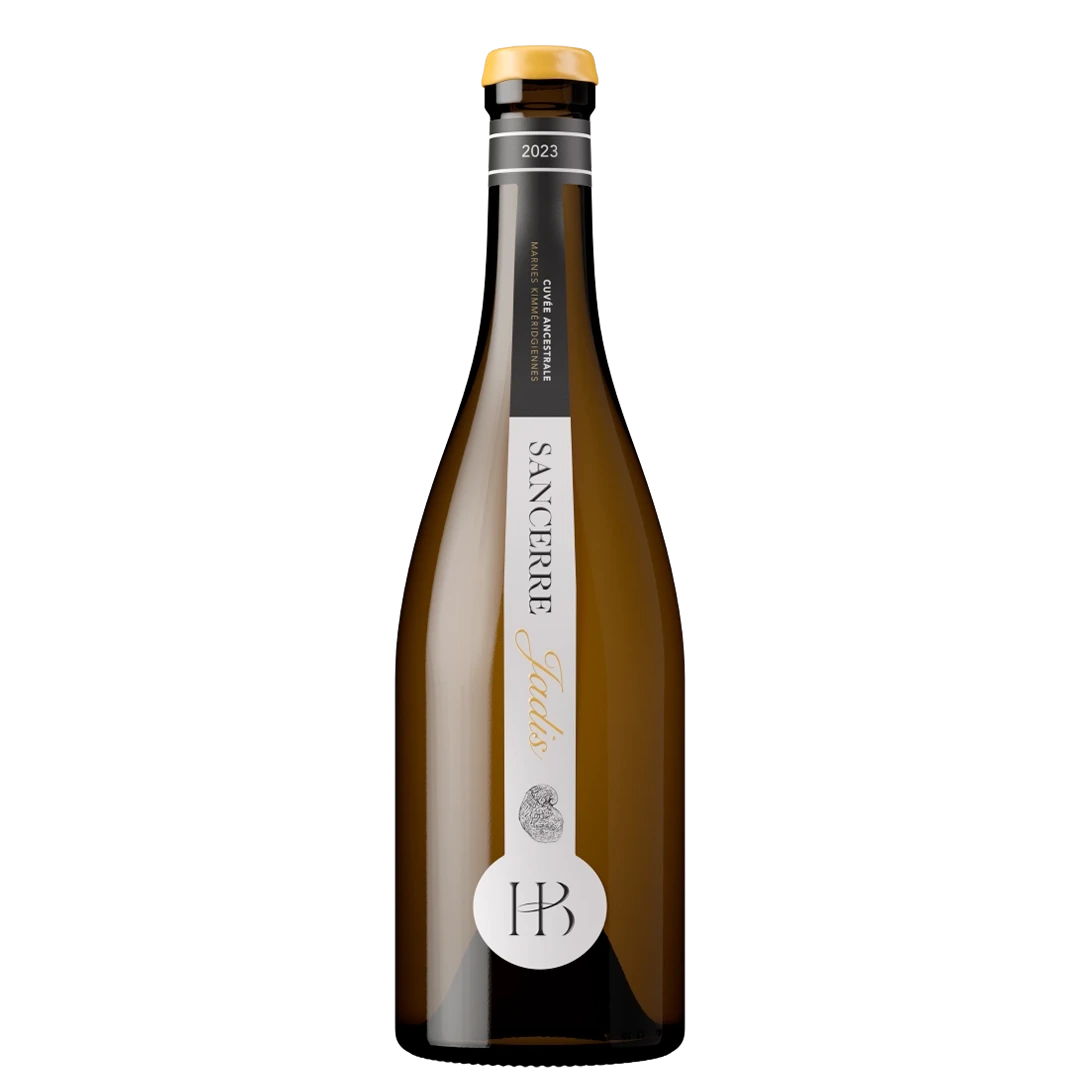
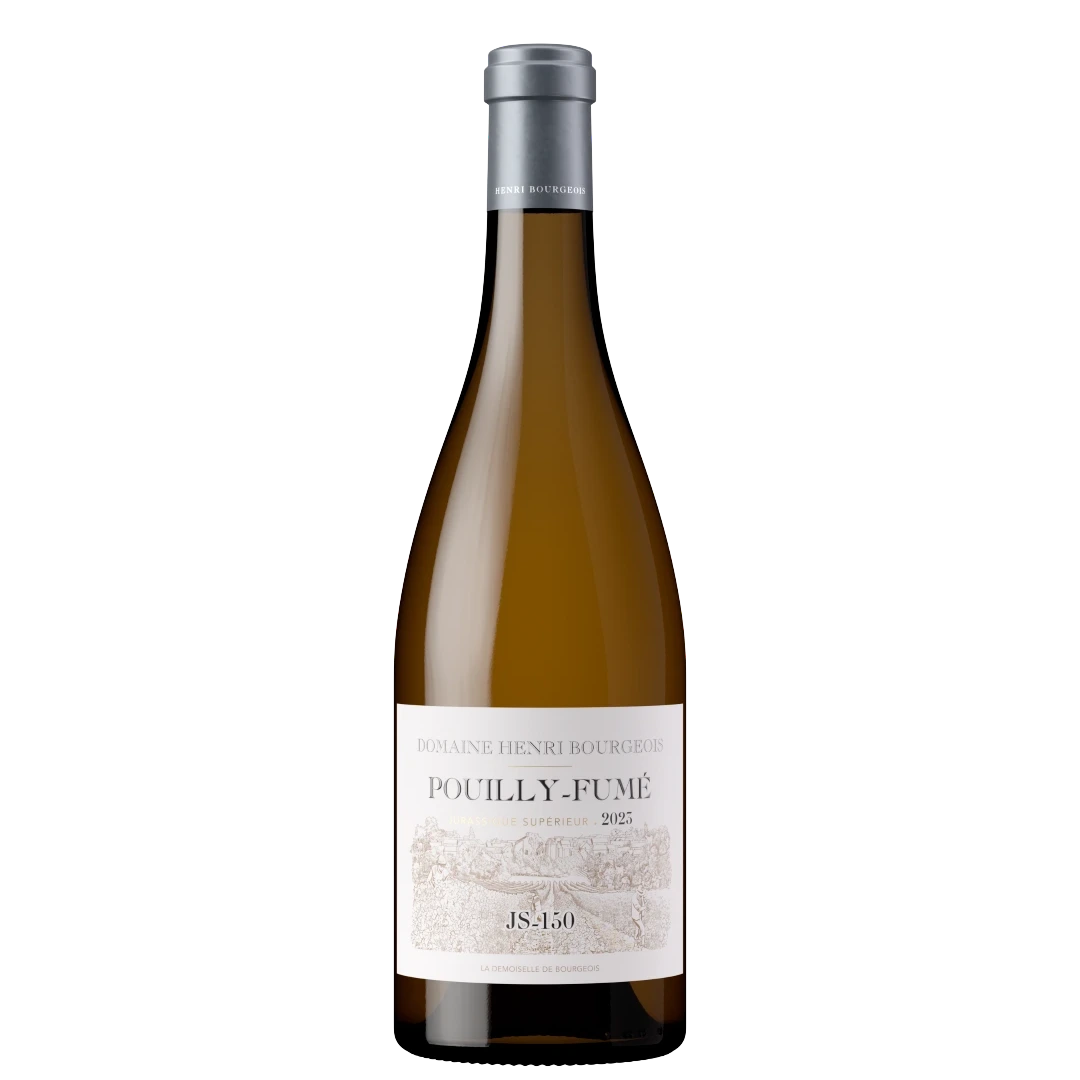
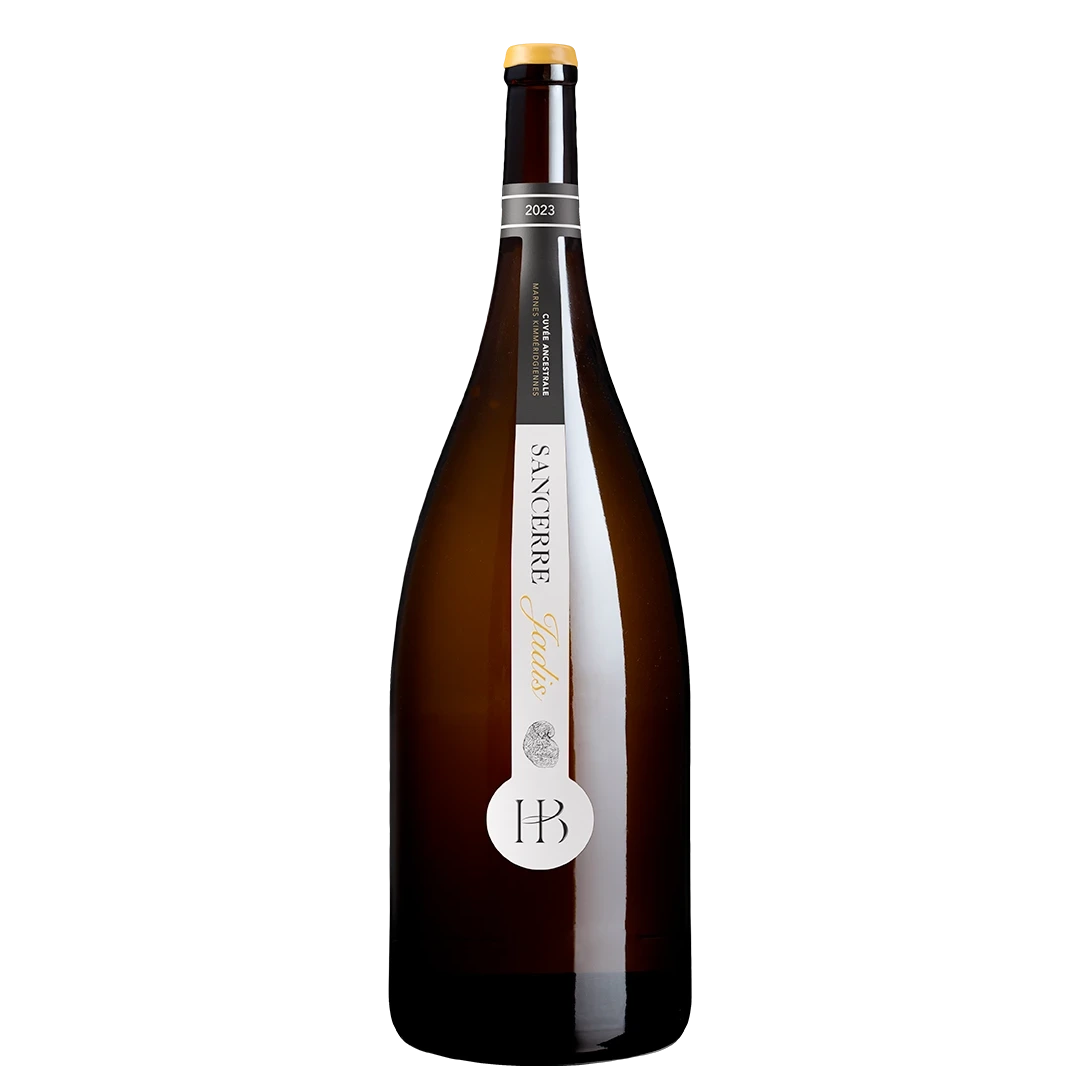
The "Terres Blanches" (White Lands) are the Kimmeridgian marls that make up a large part of the Sancerre vineyard. They produce wines of a different nature. More taut, more mineral, with a saline finish that makes them particularly precise at the table.
Pairings: Structured dishes that require a wine with body. Fish in sauce, grilled white meats, aged goat cheese, risottos. These wines appreciate resistance.
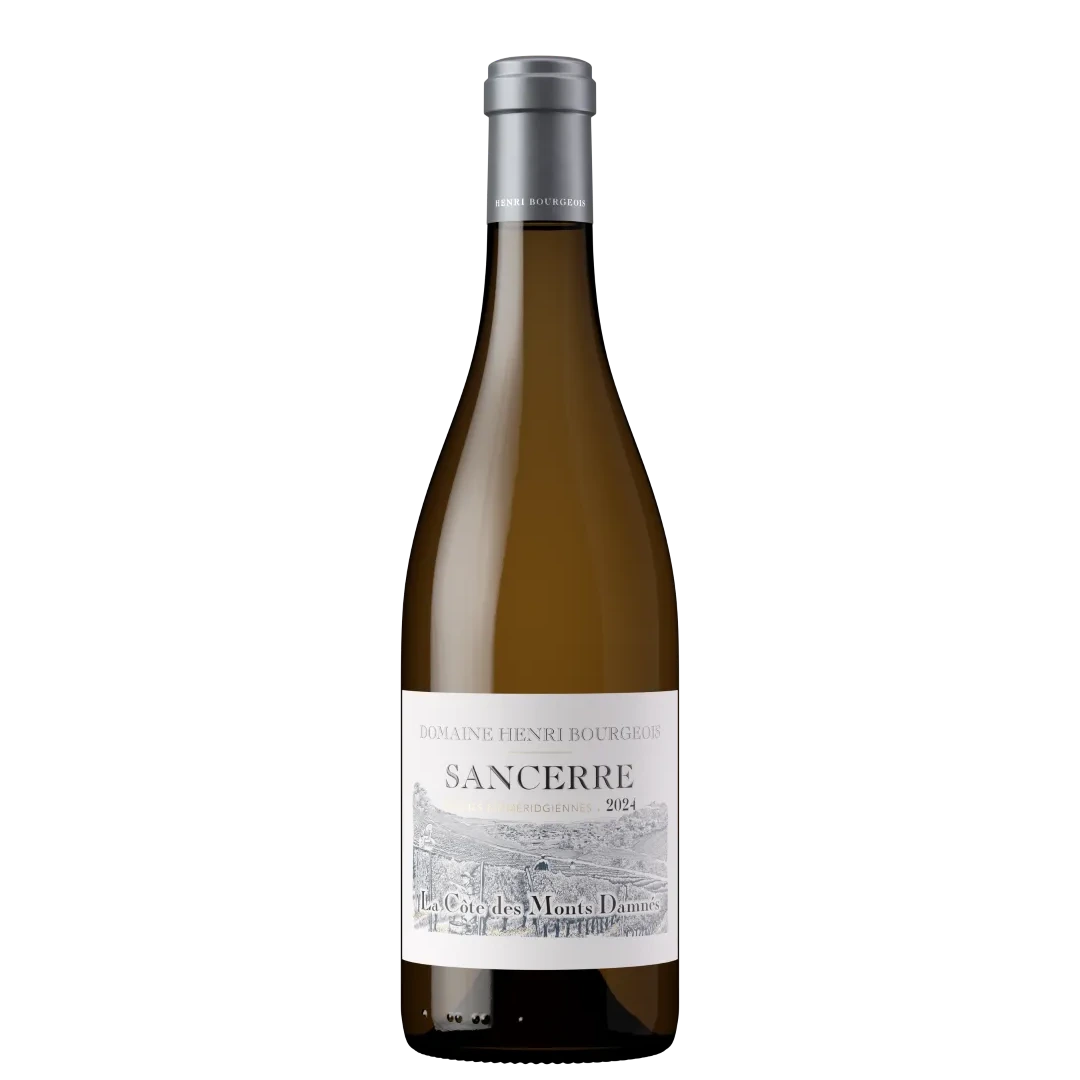
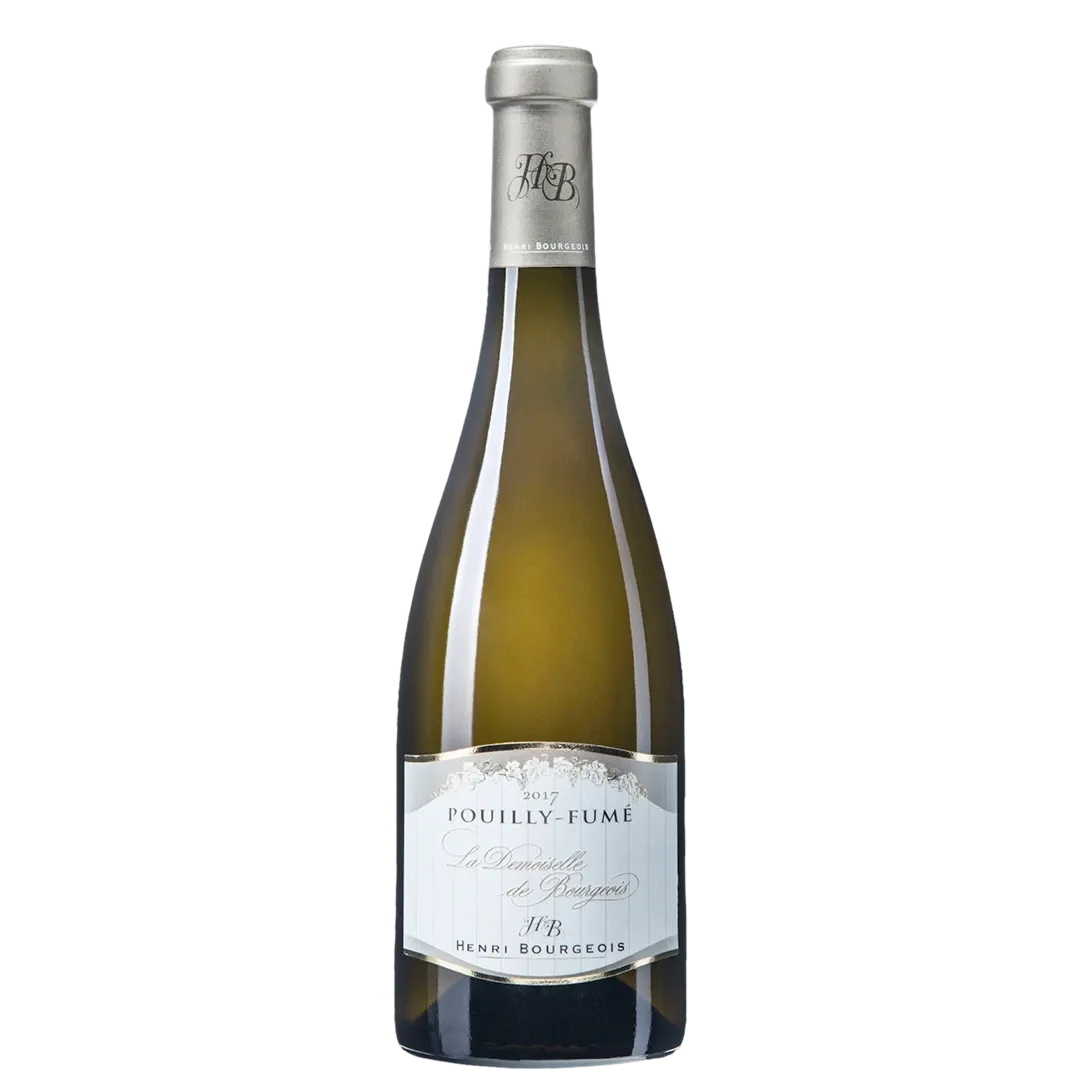
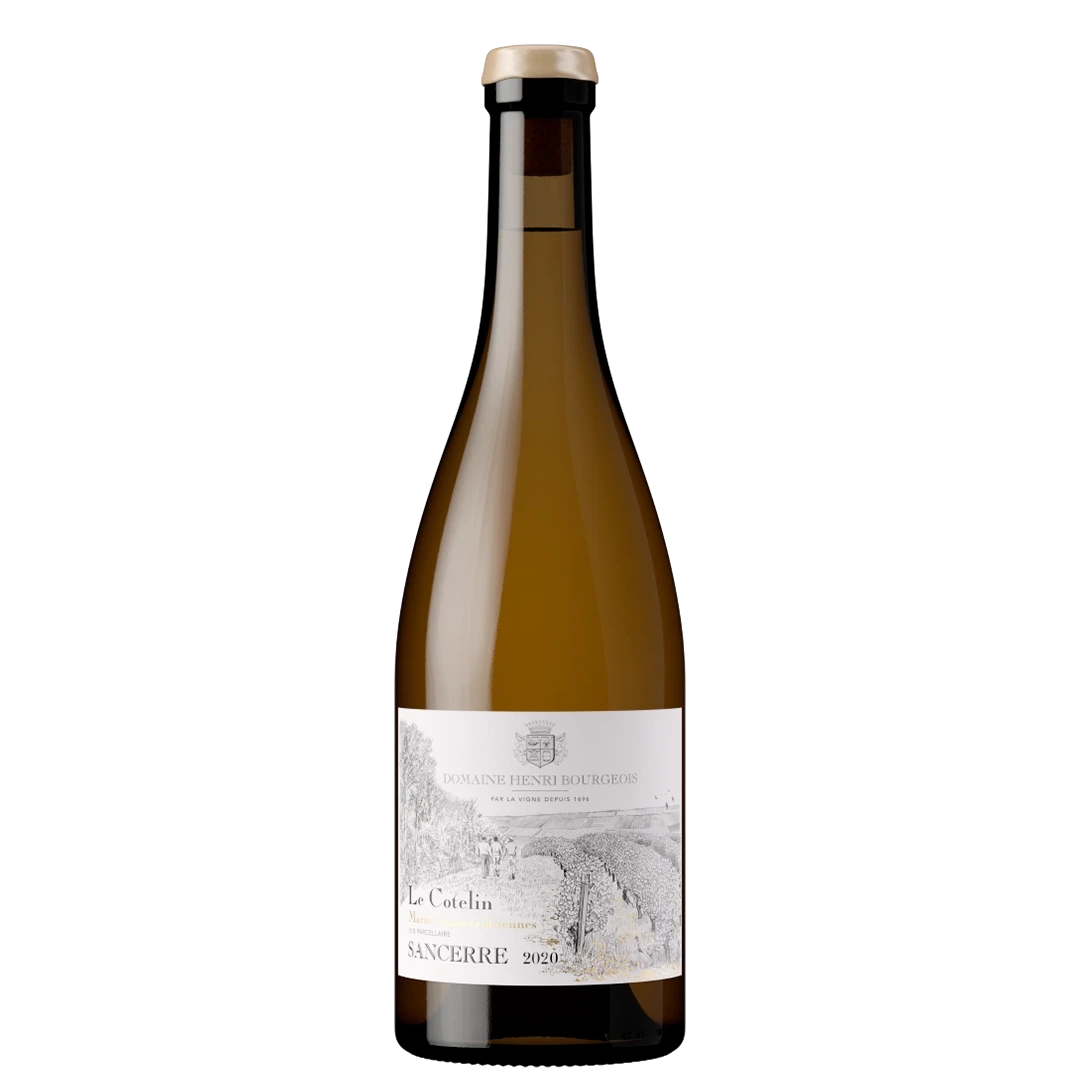
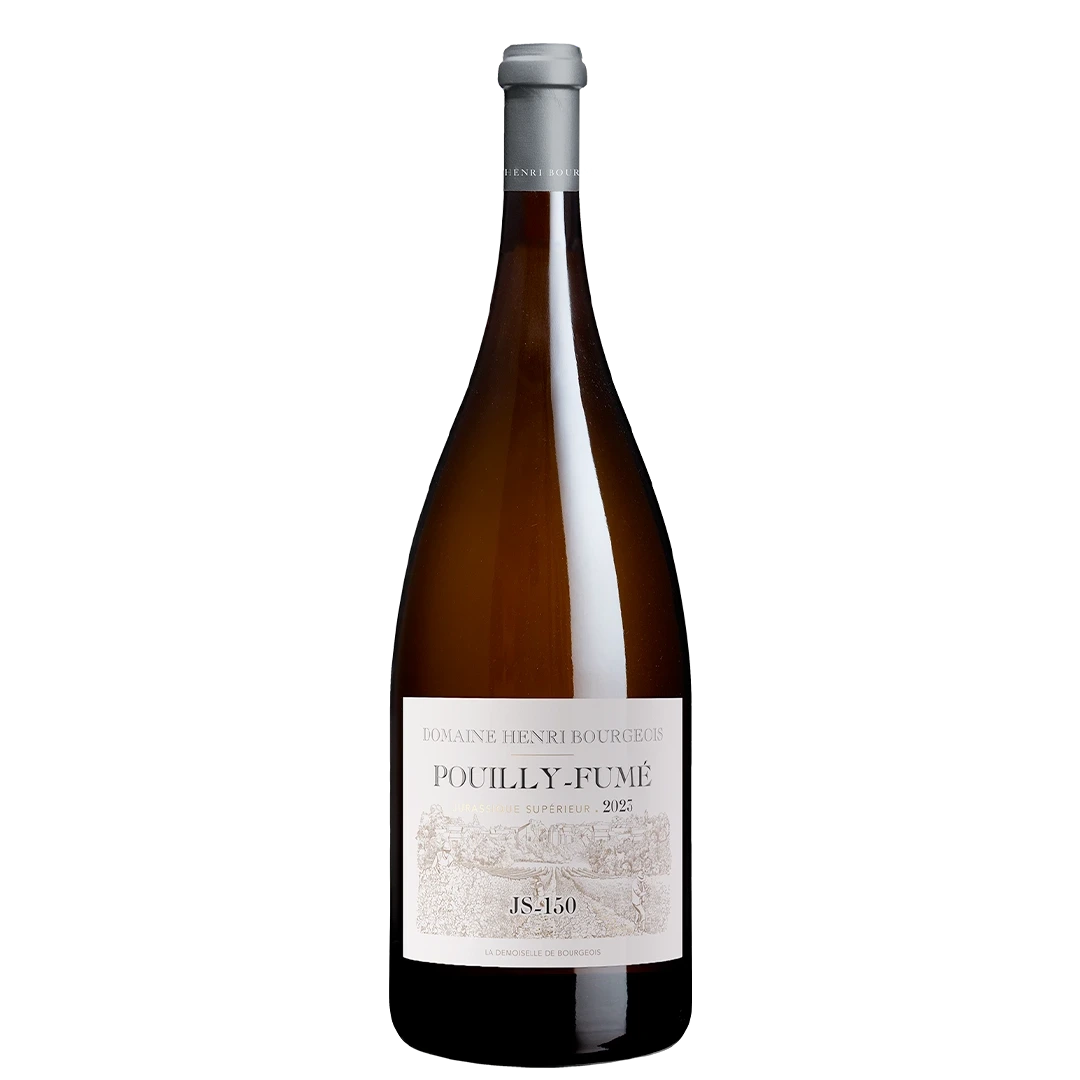
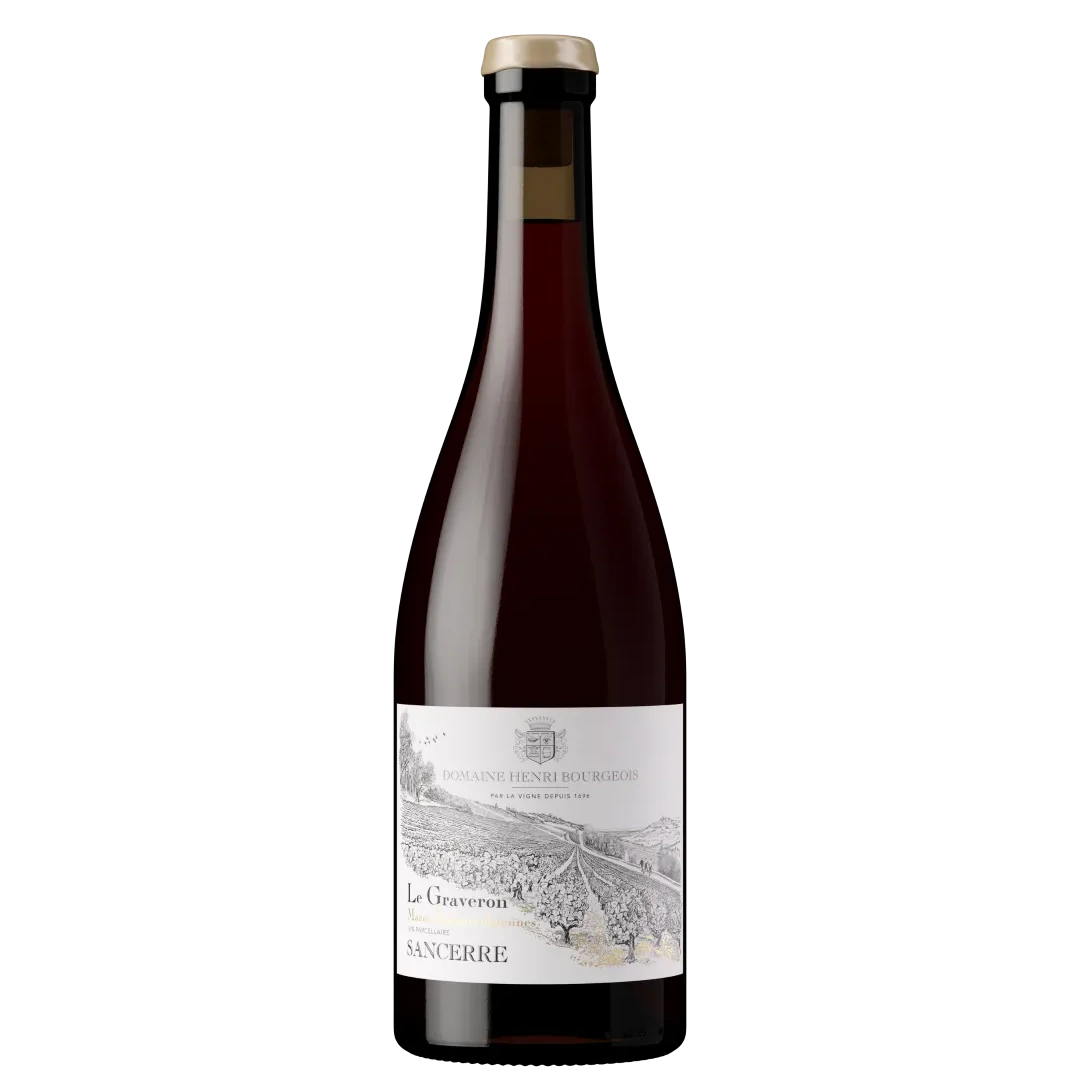
Representative cuvées: Sancerre blanc "La Côte des Monts Damnés", Sancerre blanc "Jadis", Sancerre blanc "Le Cotelin", Sancerre rouge "Le Graveron". Outside Sancerre: Pouilly-Fumé "JS-150" (formerly "La Demoiselle").
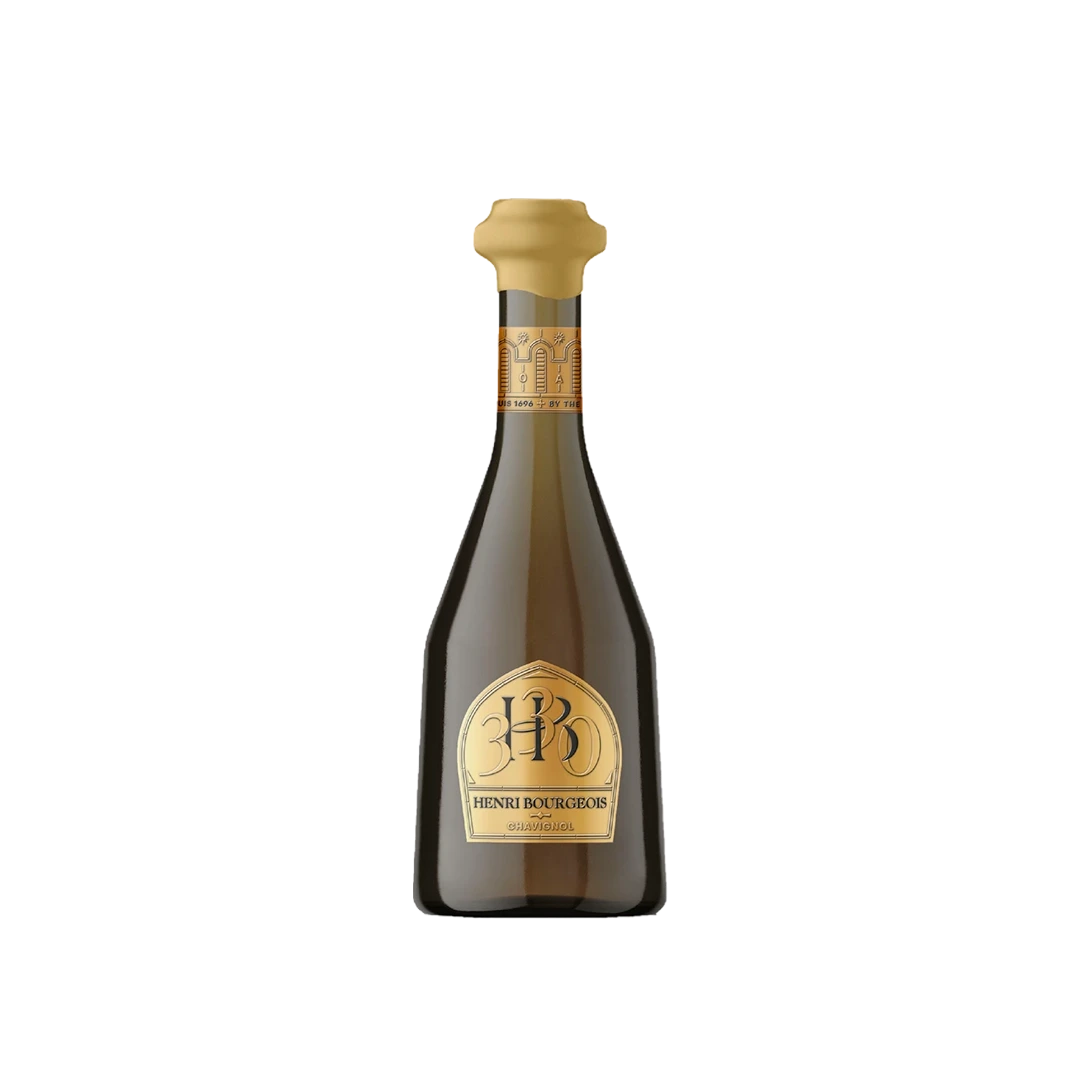
Flint: uprightness and salinity, the precise match
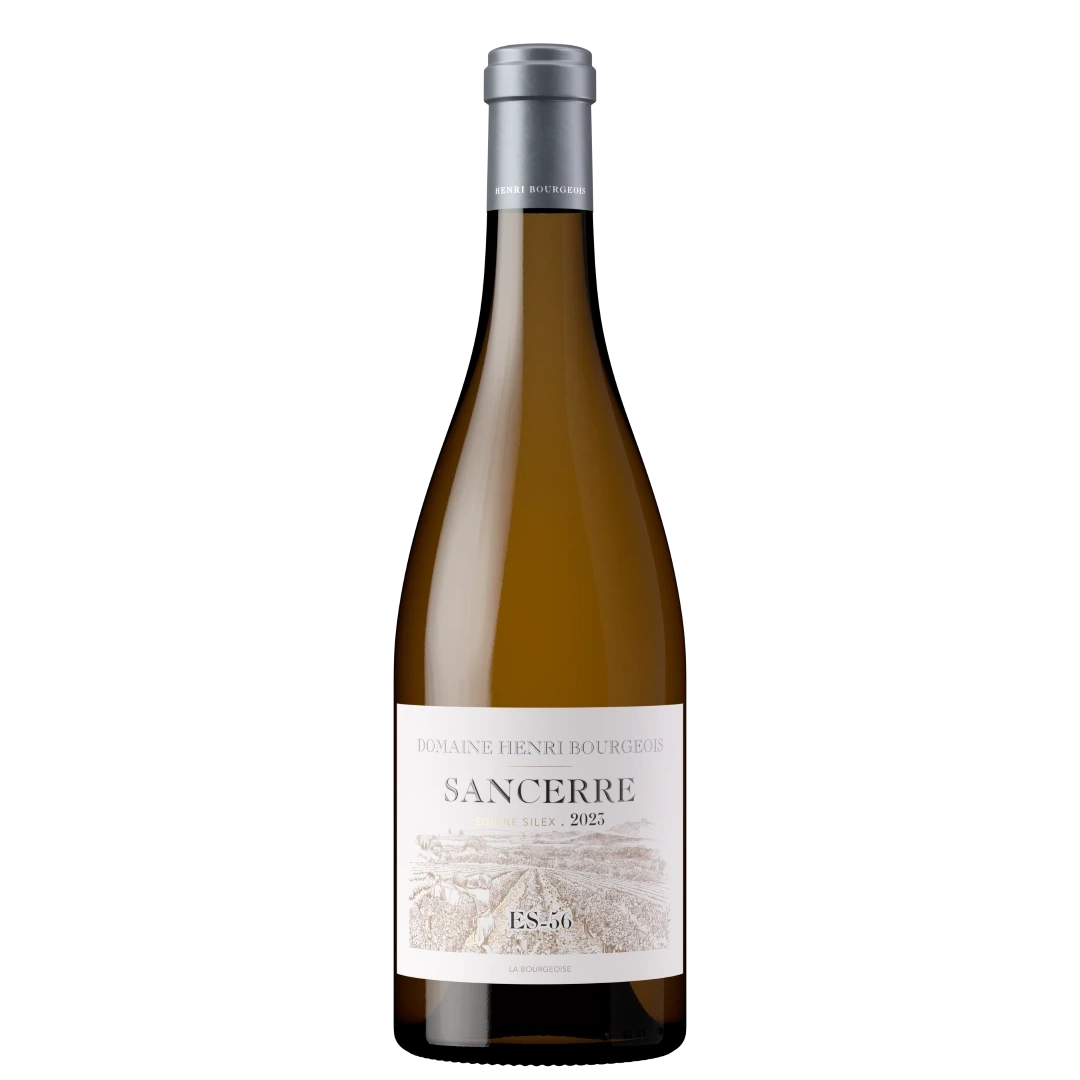
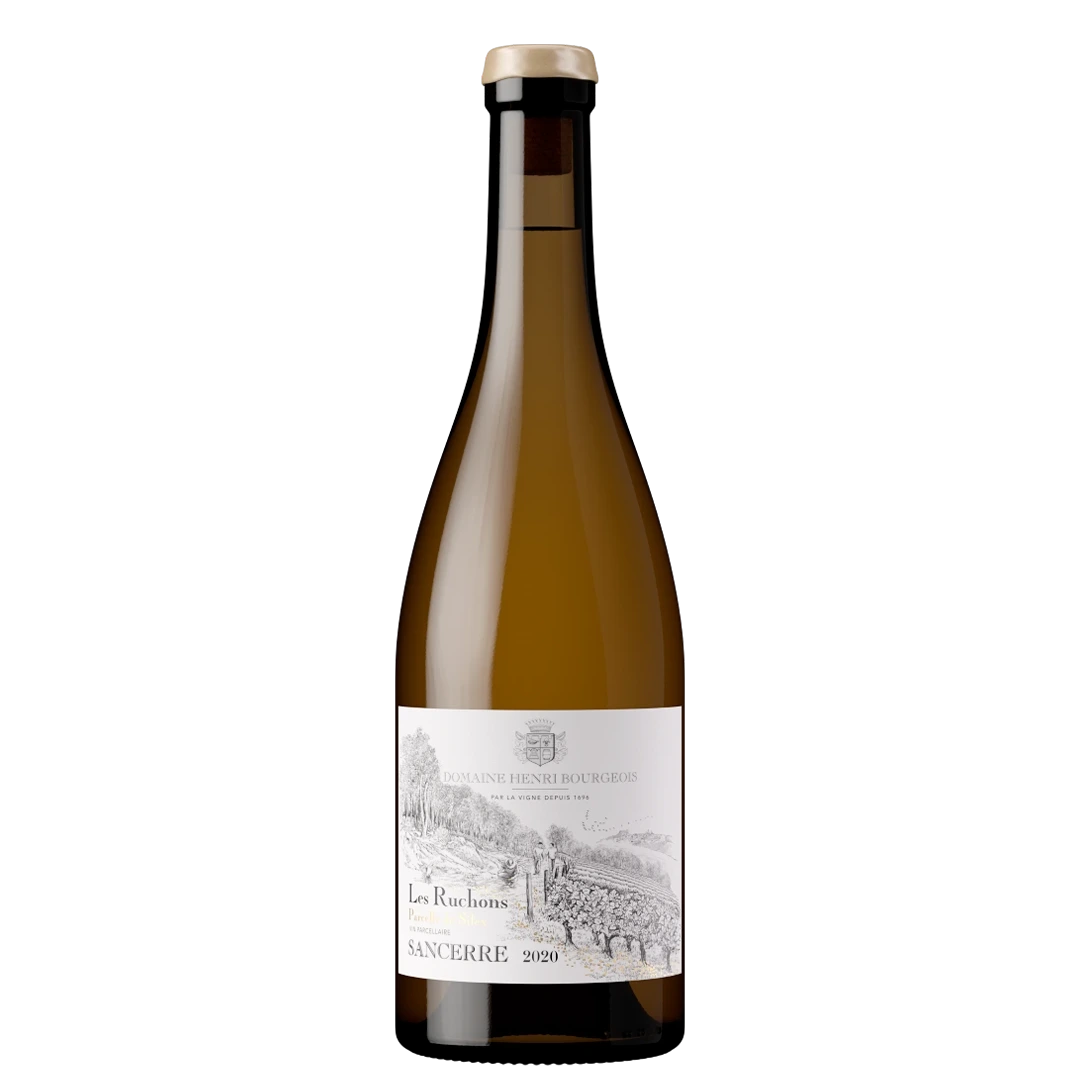
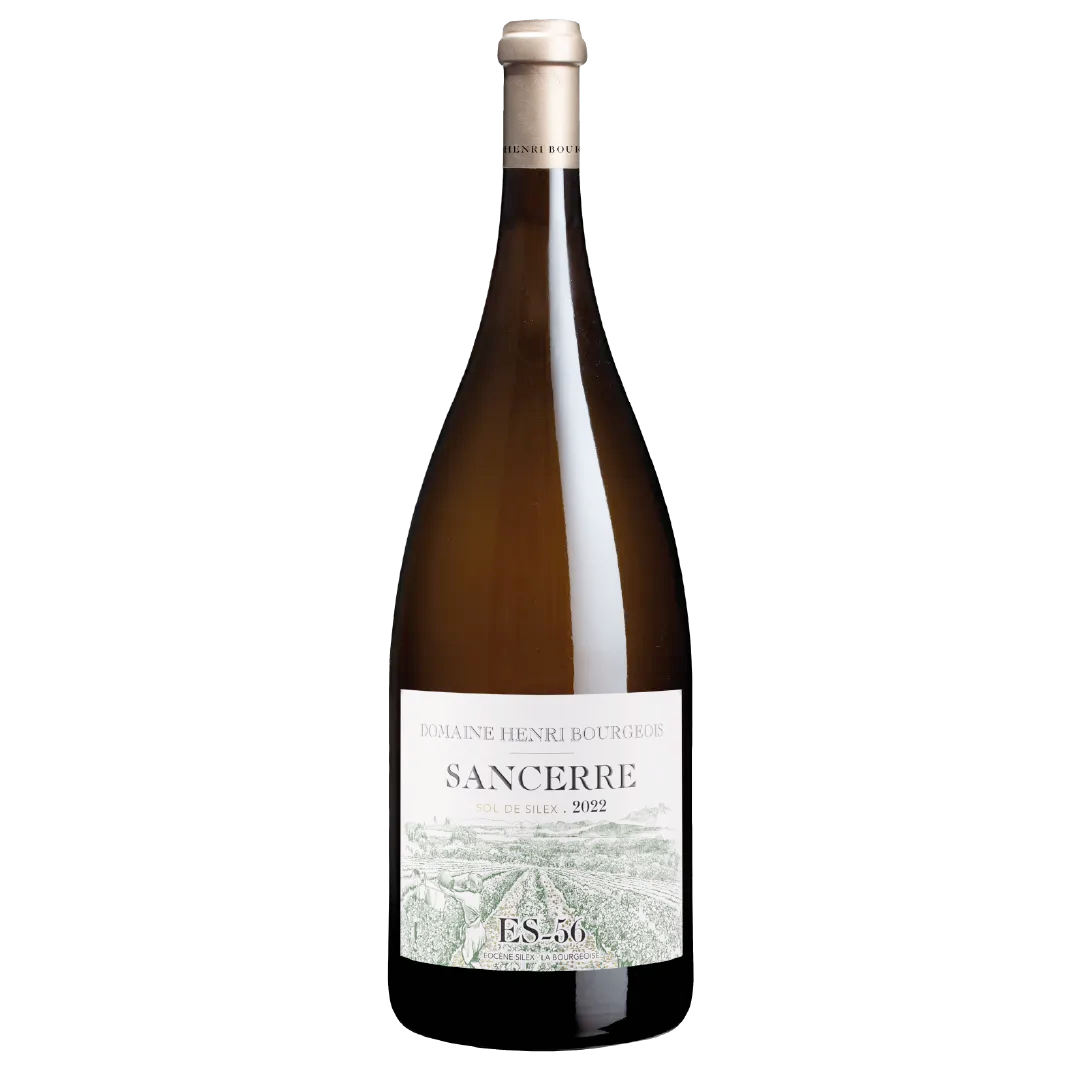
Flint plots yield the most linear and intense wines in Sancerre. Vertical tension, an almost iodine-like salinity, and a remarkable length on the palate. These wines are demanding at the table: they require dishes with character.
Pairings: raw fish (tartare, carpaccio, ceviche), seafood, shellfish, mixed cheese platters. Also, after a few years of aging, grilled white meats or dishes with reduced sauces.
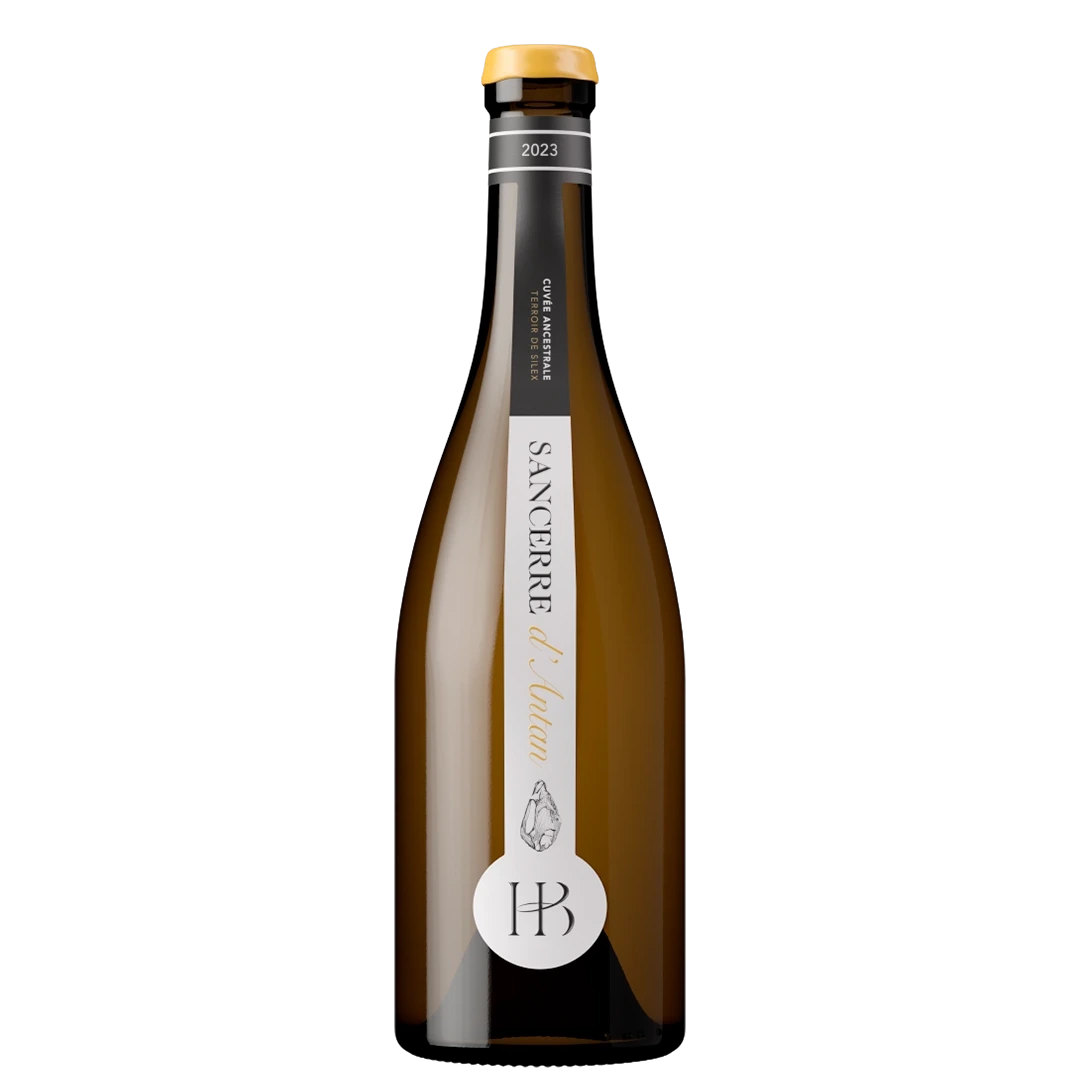
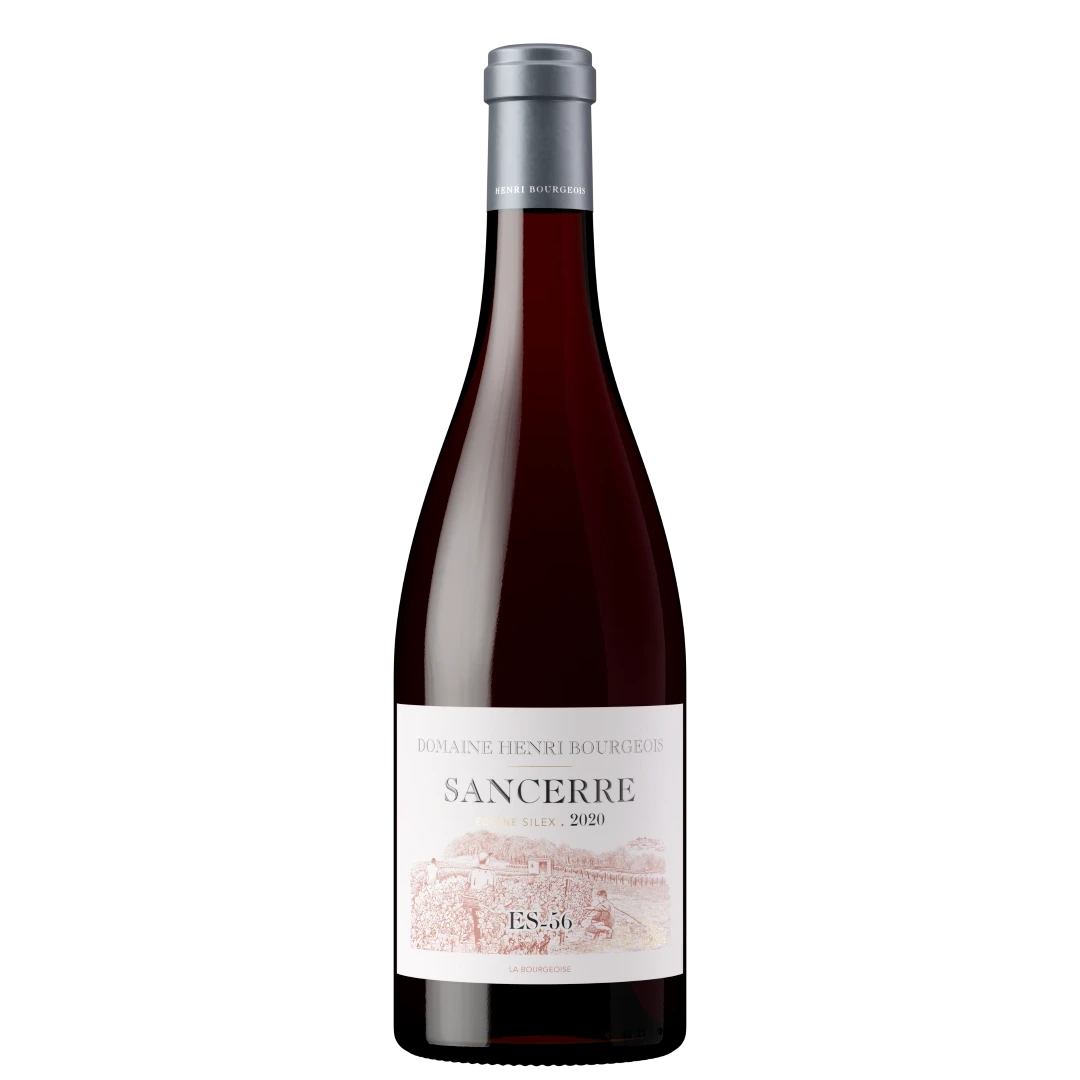
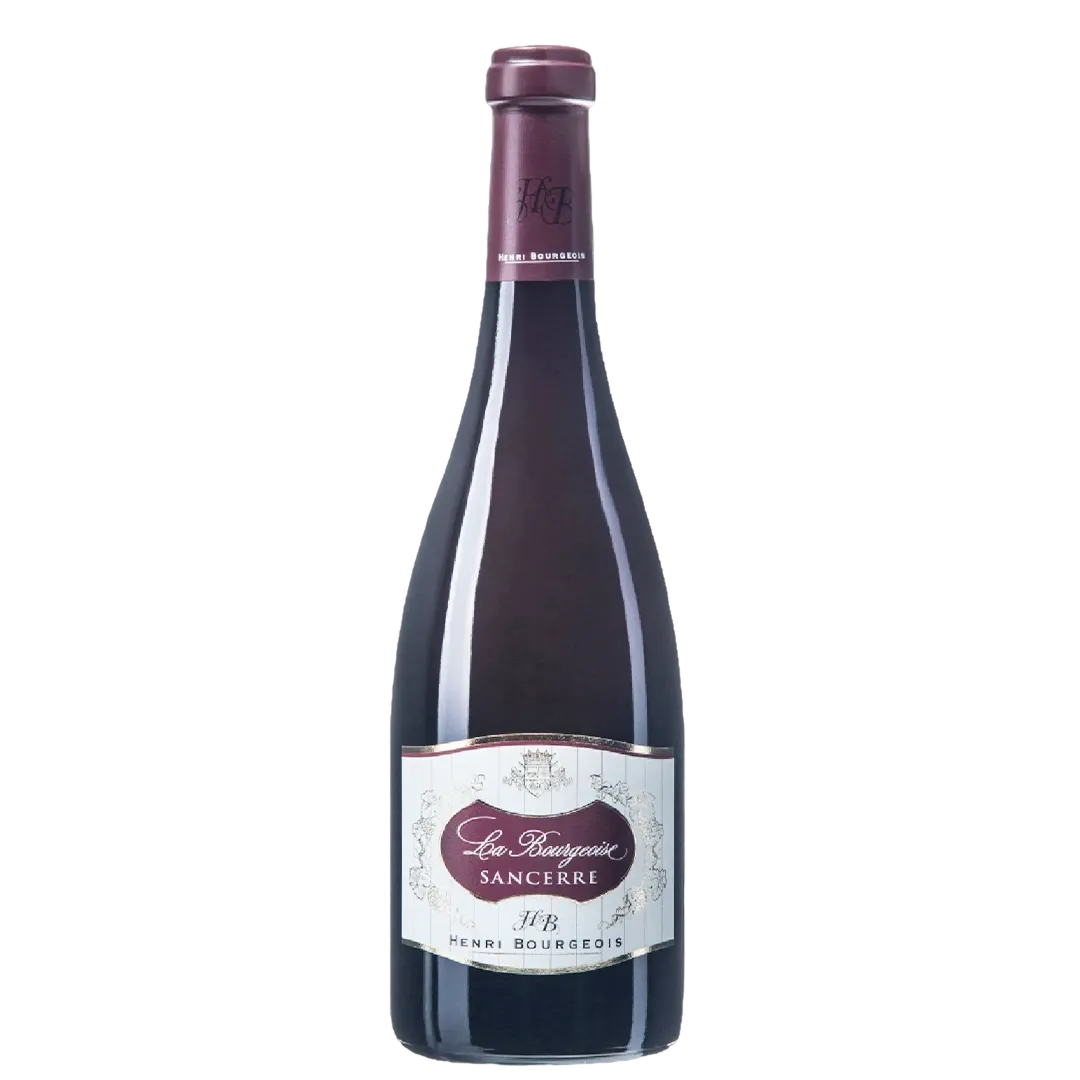
Representative cuvées: Sancerre blanc "ES-56" (formerly "La Bourgeoise"), Sancerre blanc "d’Antan", Sancerre blanc "Les Ruchons", Sancerre rouge "ES-56".

Our practical guide to food and wines pairings, by dish type
For each major food category, we have created a detailed guide that explains the why of the pairing. Because a pairing that is understood is a pairing that is remembered, then adapted, then reinvented.
Pairings with fish and seafood
The natural territory for white Sancerre. The acidity of Sauvignon Blanc balances the often delicate texture of fish and prolongs the marine aromas. On flint soils for raw preparations. On clay-limestone soils for grilled fish. On marl for rich sauces.
Pairings with white meat
Poultry, veal, pork: dishes that accommodate both a structured white and a light red. A roasted chicken calls for the roundness of a Sancerre blanc "Grande Réserve". Veal in sauce would call for the tension of a "Jadis" or a "Côte des Monts Damnés". A red Sancerre, with the same dish, is never a mistake.
Pairings with red meat
Sancerre red's terroir — our Pinot Noir. Fine tannins, natural freshness, mineral precision: qualities that prevent lean meats from being overwhelmed. Lamb, pigeon, grilled veal chop... "Le Graveron", on Kimmeridgian marl, is our most ambitious cuvée for characterful meats.
Special: Goat cheese pairings
The most obvious pairing—and the one whose depth is most often overlooked. Crottin de Chavignol with a white Sancerre: an absolute terroir pairing. The minerality of the wine dialogues with the lactic notes of the goat cheese. When fresh, the goat cheese likes chalky clays. When aged, it calls for marls.
Sancerre and Pouilly-Fumé in food pairings: what are the differences?
Two names for the same grape, two different profiles at the table. Sancerre is often more tense, more vertical. Pouilly-Fumé — especially "En Travertin" — develops more volume and roundness. At the table, Sancerre is better suited for raw and light preparations. Pouilly-Fumé opens up more to sauces and coated dishes.
The Bourgeois Family Loire Valley wines:
everyday pairings
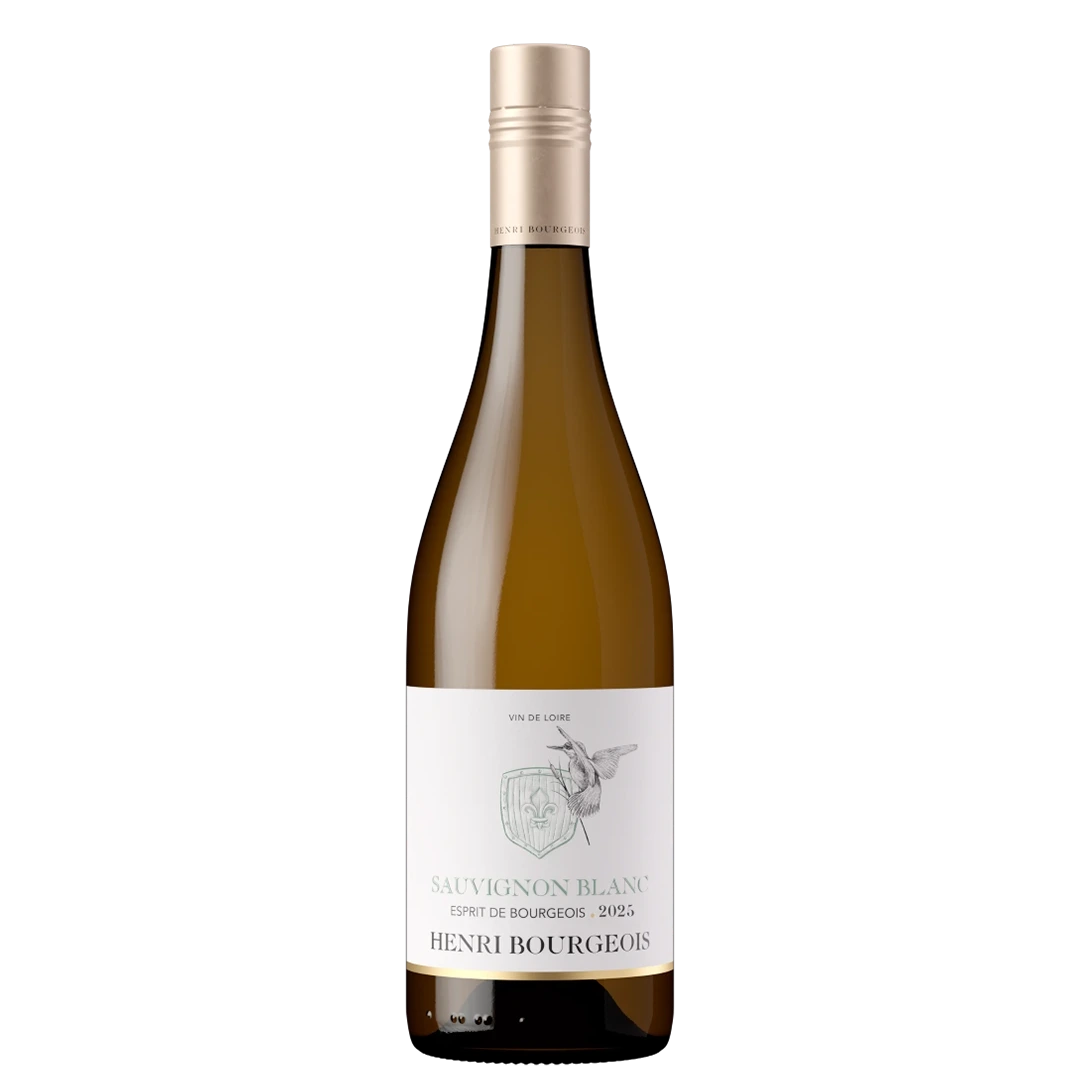
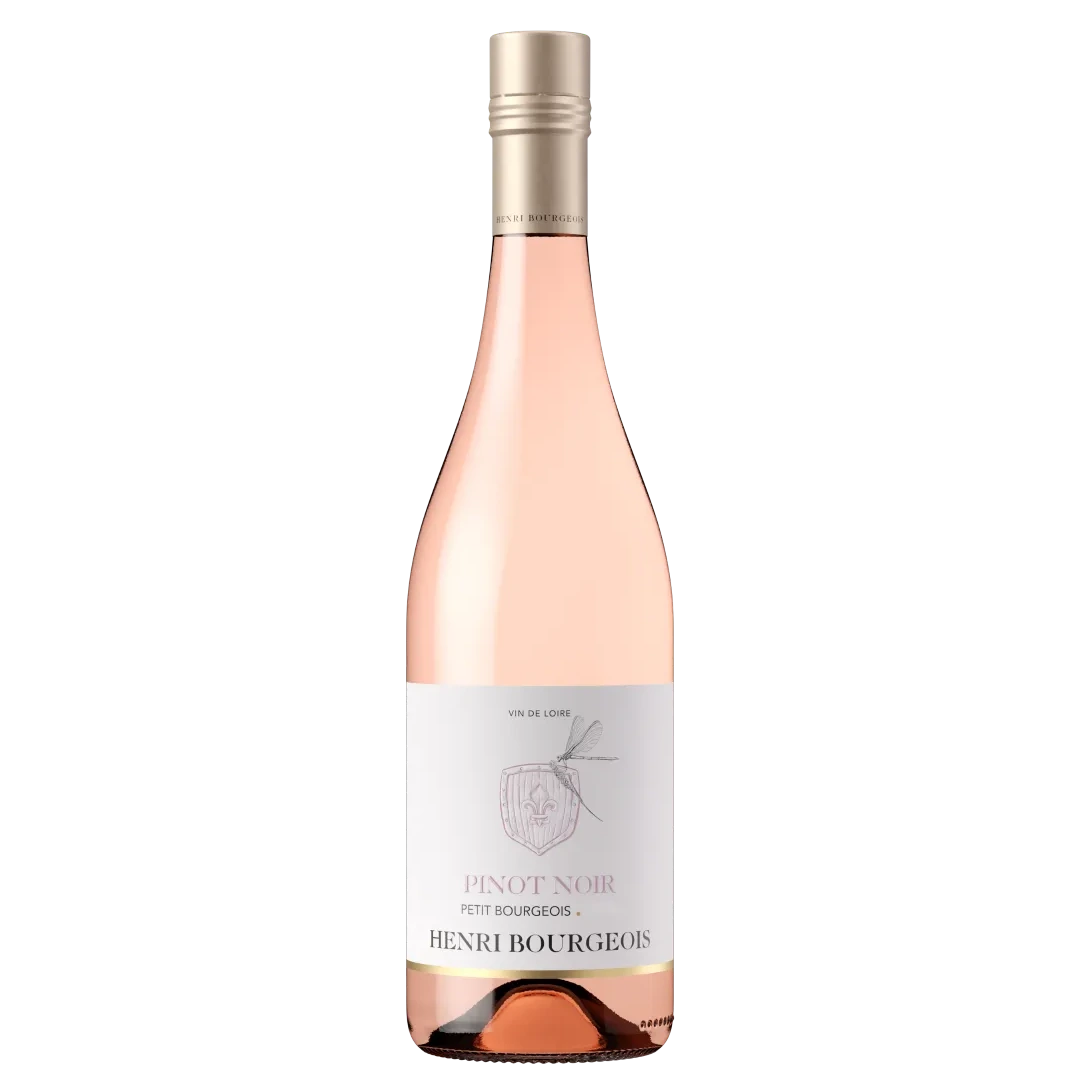
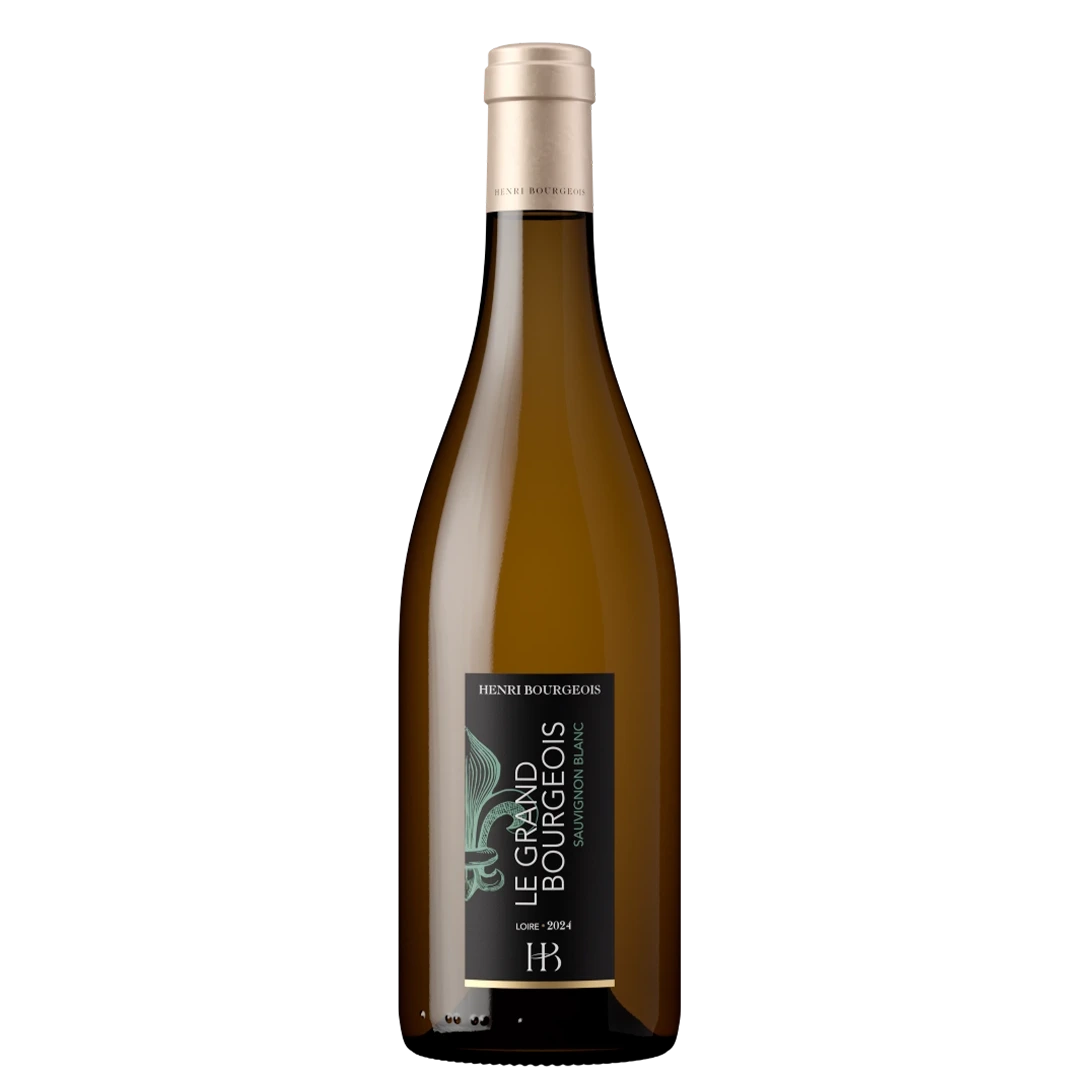
Our Loire Valley wines — "Petit Bourgeois" Sauvignon Blanc, Pinot Noir, Cabernet Franc, and "Le Grand Bourgeois" Sauvignon Blanc (organic) — each have their own pairing territory. More accessible and aromatically generous, they are perfect for casual meals: aperitifs, international cuisine, and barbecues with friends. They often introduce enthusiasts to the house style before they discover the Sancerre wines.
By the vine since 1696: Harmony as a legacy
The Bourgeois family has been cultivating vines in Sancerre since 1696. That's over ten generations of harvests, winemaking, and shared meals. And a belief that has never wavered: wine finds its full meaning at the table.
Our single-vineyard cuvées—"Le Cotelin" and "Le Graveron" on Kimmeridgian marl, "Les Ruchons" on flint, "Les Côtes aux Valets" on limestone—have been selected because they express the terroir with a clarity that, at the table, translates into precise pairings. This is no accident: it is the result of years of observation, tasting, and sharing.
We hope these guides will give you not rules, but benchmarks. So that the next bottle you open will truly be in its rightful place.

Reference table: Which Sancerre wine for which dish?
To cut to the chase, here's a quick read by terroir profile:
| Terroir | Wine profile | Recommended pairings |
|---|---|---|
| Limestone | Roundness, freshness, versatility | Grilled fish, poultry, fresh goat cheese, aperitif |
| Kimmeridgian marls | Tension, minerality, structure | Sauces, white meats, aged goat cheese, risottos |
| Flint | Straightness, salinity, length | Raw dishes, tartares, seafood, aged cheeses |

Clos Henri: How to Pair New Zealand Wines?
Our sister estate in New Zealand produces Sauvignon Blanc wines of a different intensity: tropical, vibrant, with an almost sharp freshness.
At the table, it excels with Asian-influenced cuisines—fish tartares, ceviche, sashimi—or with blue cheeses.
Try out our table
Discover, taste, visit
At Domaine Henri Bourgeois, food and wine pairings take on their full meaning.
Tastings, our restaurant, and wine tourism experiences allow visitors to discover wines in their natural context, in direct connection with local gastronomy.


Hotel


FAQ
Frequently Asked Questions About Food and Wine Pairings
Which white wine should I choose to go with fish?
Which white wine should I choose to go with fish?
For grilled or raw fish, opt for a white Sancerre on flint – its mineral tension and iodized freshness prolong the flavors of the dish. For fish in a creamy sauce, prefer "Côte des Monts Damnés" or "Jadis", whose structure on Kimmeridgian marls provides the necessary body to stand up to the sauce.
Can red Sancerre be served with red meat?
Can red Sancerre be served with red meat?
Yes, perfectly. Sancerre red is a Pinot Noir: its fine tannins and freshness make it an excellent companion for lean red meats – lamb, veal, pigeon. For a more robust dish, Graveron (Kimmeridgian marl) provides the necessary structure and minerality.
What wine to serve with goat cheese?
What wine to serve with goat cheese?
The classic and unbeatable pairing: Sancerre white with local goat cheese — Crottin de Chavignol at the top of the list. The minerality of the Sauvignon Blanc interacts with the lactic notes of the cheese. A Sancerre "Grande Réserve" from clay-limestone soils for fresh goat cheese, "Jadis" from Kimmeridgian marl for more aged goat cheese.
Does terroir really influence how a wine pairs with food?
Does terroir really influence how a wine pairs with food?
Yes, and this is the principle we have upheld since 1696. A white Sancerre from flint soil will always have that straight, saline tension that pairs perfectly with raw or grilled fish. A wine from Kimmeridgian marl — "Jadis" or "La Côte des Monts Damnés" — develops a taut roundness that opens up to more structured dishes, sauces, and white meats in sauce. Understanding the terroir is understanding what the wine is made for.
Is there a universal food and wine pairing for family meals?
Is there a universal food and wine pairing for family meals?
If you had to pick just one: our white Sancerre "Grande Réserve", from chalky clay soils. Its balanced roundness and freshness make it a versatile wine—at ease with appetizers, fish, poultry, and even goat cheeses. This is the wine we recommend first to people who are discovering our wines.
Which Bourgeois Family wines to choose for vegetarian food pairings?
Which Bourgeois Family wines to choose for vegetarian food pairings?
Sancerre white wines are natural partners for vegetarian cuisine. For grilled vegetables or legume-based dishes, opt for Sancerre blanc "Grande Réserve" or white Menetou-Salon for their aromatic freshness. For richer dishes — mushroom tart, gratin — the complexity of "Jadis" or "ES-56" will provide the necessary depth.