
Food and wine pairings
Wine and Red Meat: When Red Sancerre Finds Its Place


Wine and Red Meat: When Red Sancerre Finds Its Place
We are often asked at the estate: "Which red wine with beef?" And our first response is always a gentle warning. No, red meat does not automatically call for a powerful, tannic, bold red wine. That shortcut leaves an entire category of wines by the wayside — most notably our red Sancerre Pinot Noir.
Red Sancerre is not a wine of power. It is a wine of precision. Fine tannins, mineral freshness, delicate fruit: qualities that, with the right red meats, create pairings of an elegance that muscular reds simply cannot achieve.
In this guide to food and wines pairings, we clearly explain when red Sancerre shines with red meat, and when it is better to hand the floor to a more structured wine. And we present our three red cuvées, each suited to a specific style of dish.
Before choosing a wine, ask yourself three questions about the meat:
These three parameters determine the level of tannin, acidity, and body needed in the wine. And that is where red Sancerre enters — or exits.
Tannins, specifically, play a key role. With delicate, lean meat, fine, silky tannins—like those in our red Sancerre wines—enhance the meat’s texture. With very fatty or very robust meat, those same tannins may seem insufficient, or even overwhelmed by the dish. The tannins in red Sancerre need to be paired with the right dish.
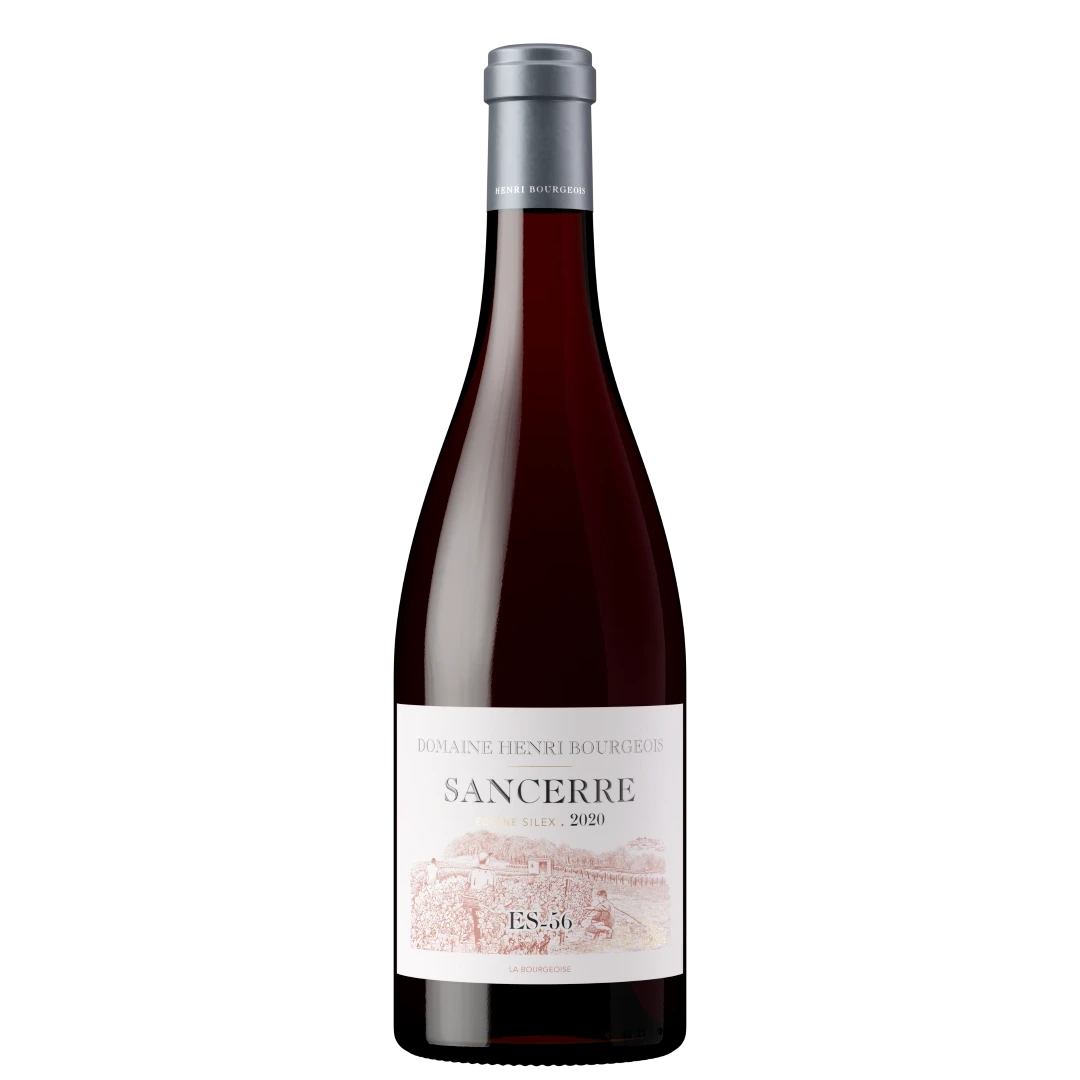
This is where red Sancerre excels. Tartare is raw, lean, with a delicate texture. A tannic red would crush the dish. A red Sancerre "ES-56" (flint) — with its upright tension and saline minerality — accompanies tartare with rare precision. The freshness of the wine dialogues with that of the raw meat; the fruity aromas of the Pinot Noir extend without dominating.
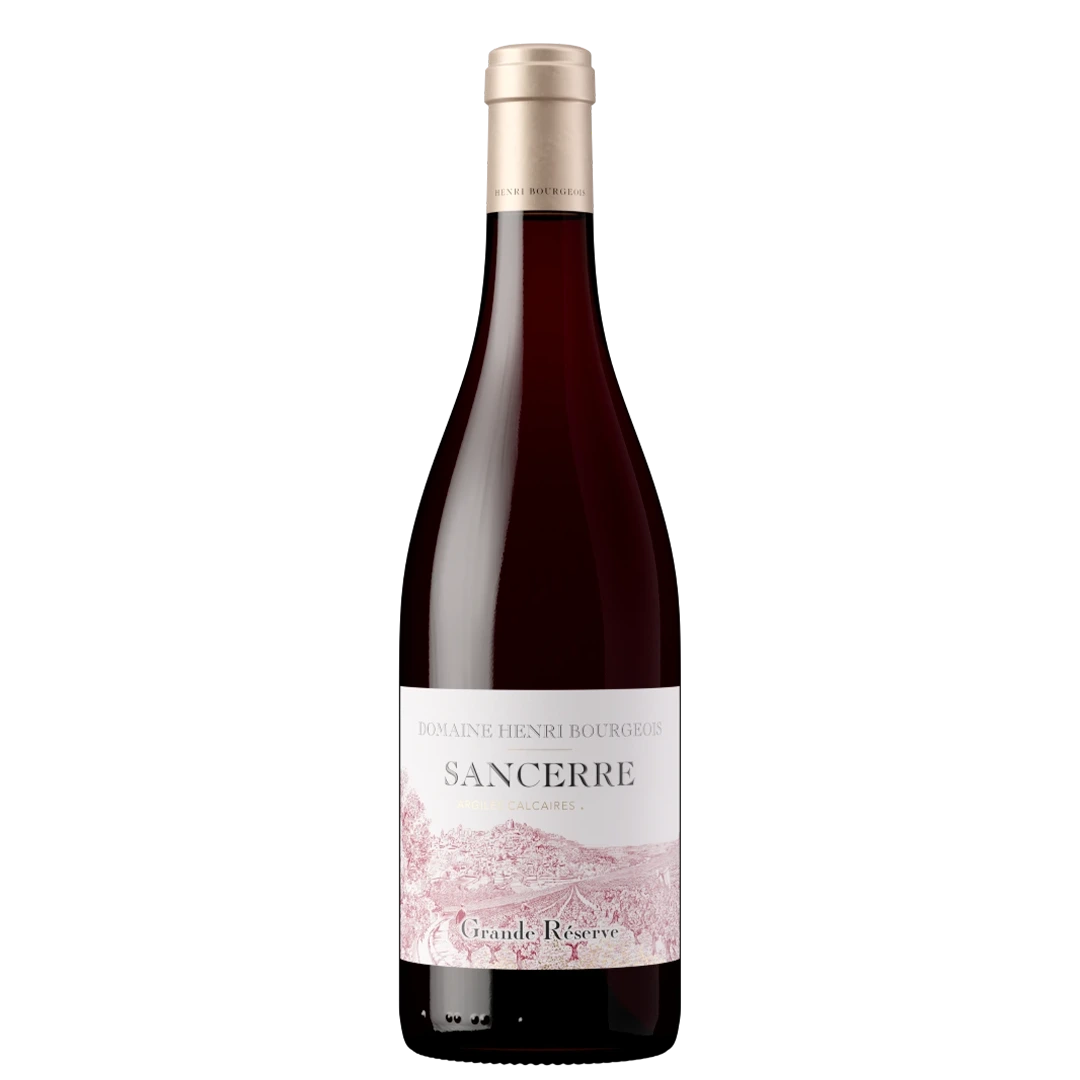
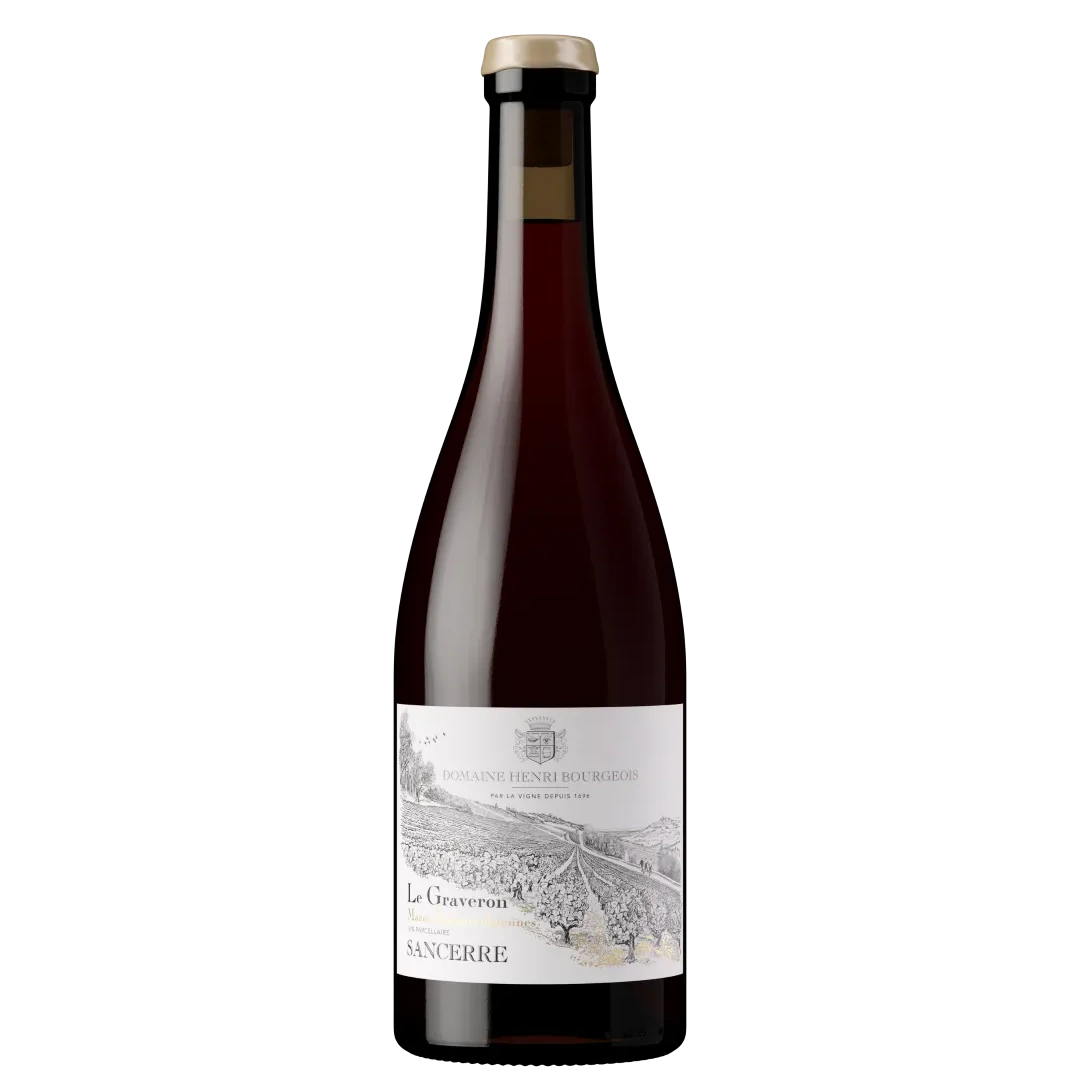
With a properly rare cut, lightly aged, red Sancerre "Grande Réserve" (limestone-clay) is very much at ease. The fruity suppleness of the cuvée embraces the texture of the meat. For a slightly more aged côte de bœuf with more character, "Le Graveron" (Kimmeridgian marl) provides the necessary structure and mineral depth.
This is where red Sancerre reaches its limits. A heavily aged côte de bœuf or a long-reduced bourguignon develop a power that our wines are not built to confront. The tannins of red Sancerre, so precious with delicate meat, can appear lean against these dishes. In this case, prefer a Burgundy Pinot Noir or a Rhône Valley red.

Lamb may be the most natural terrain for our reds — provided you distinguish between two very different situations.
Spring lamb — leg, rack, shoulder of a milk-fed animal — is one of the dishes that best reveals what red Sancerre can do. The meat is gentle, delicate, with melting fat and subtle flavors. Our fine tannins crush nothing: they envelop the meat and extend its aromas.
Our recommendation: red Sancerre "Grande Réserve" in a 3–4 year vintage. The fruity roundness of the limestone-clay soils harmonizes with the tenderness of spring lamb. For a rack of lamb served pink, "Le Graveron" (Kimmeridgian marl) adds a mineral dimension that elevates the pairing.
An adult lamb or sheep has a more intense flavor than spring lamb. The flavors are more pronounced and sometimes richer. “Le Graveron” pairs well with a roasted saddle of lamb, but for a navarin that’s been simmered for a long time or a mutton stew, a Côtes du Rhône or a regional red from the Southwest is a better choice.
Game is a very diverse category of dishes. It is essential to distinguish between game birds and game animals—their characteristics are incomparable.
Wood pigeon, ring-necked pigeon, pheasant, grouse, woodcock: game birds are often less fatty and less robust than game animals. Its fine texture and delicate flavor make it an ideal pairing for our Pinot Noirs.
Our “ES-56” red (flint) is particularly remarkable here: its crispness and minerality resonate with the wild, slightly iodine-tinged notes of game birds. “Le Graveron” (Kimmeridgian marl), paired with a more elaborate dish—pigeon with wild mushrooms, Périgord-style wood pigeon—provides the necessary depth.
Hare, wild boar, deer, roe deer: game meat is of a different nature. The intensity of the flavors, the richness of the meat, and the slow-reduced sauces that accompany these dishes—all of this exceeds the profile of red Sancerre, except perhaps with an older vintage aged on flint. Nevertheless, with a hare stew or a saddle of roe deer, look for an aged Pinot Noir from the Côte de Nuits or a cellared red from the Southwest.
Duck is one of the most versatile red meats on the table—and one with which our red wines pair most naturally. Its rich flavor, melt-in-your-mouth fat, and variety of preparation methods offer a wide range of possibilities.
This is the most direct and obvious pairing. A duck breast served rare—with its tender meat and melt-in-your-mouth fat on the surface—calls for a wine with fruity freshness and silky tannins. Our “Grande Réserve” red Sancerre (calcareous clay soils) is our top choice: its roundness balances the fat of the duck breast, and its natural freshness cleanses the palate between bites.
For a more robust duck breast—served with a balsamic reduction or red berries—the “ES-56” red (flint) offers a tension and minerality that complement the tangy sauce.
Confit is fattier, more melt-in-your-mouth, and more intense than duck breast. It calls for a wine with more structure. “Le Graveron” (Kimmeridgian marl) is our recommendation here: its mineral depth and more pronounced tannins stand up to the richness of the confit without being overwhelmed by it. For a very rich version of confit, an age-worthy red from another region can also pair admirably.
Asian or mildly spiced preparations—such as Peking duck with orange or five-spice duck—introduce a sweet and spicy dimension that alters the pairing. The “ES-56” red (Silex), with its straightforward character and minerality, counterbalances the sweetness of the glaze without clashing with it.
As winemakers since 1696, we have learned to recognize the affinities between our terroirs and the dishes that complement them. Here is our take on the estate’s three red wines:
| Vintage | Terroir | Ideal Pairing |
|---|---|---|
| Sancerre Red “Grande Réserve” | Calcareous clay soils – fruity suppleness, silky tannins | Duck breast, roasted spring lamb, grilled veal chop |
| Red Sancerre “ES-56” | Flint – tension, structure, salty minerality | Beef tartare or rare steak, Peking duck, game birds (pigeon, wood pigeon) |
| Red Sancerre “Le Graveron” | Kimmeridgian marl – single-vineyard, the estate’s most ambitious red cuvée | Saddle of lamb, hare à la royale, duck with porcini mushrooms, slightly aged beef rib steak served rare |
Here are the situations where we most often see mismatched agreements—and how to avoid them:
| Mistake | Explanation |
|---|---|
| Red wine that’s too young with delicate meats | The firm tannins of a red Sancerre less than 2 years old can leave your mouth feeling dry when paired with a rare duck breast. Wait 2–3 years or let it breathe for 1 hour. |
| Red wine too light for very full-bodied meat | A well-aged rib of beef or a wild boar stew will overwhelm even a full-bodied red Sancerre. Opt for a Burgundy Pinot Noir or a Côtes du Rhône. |
| Overpowering sauce overlooked | A well-reduced bourguignon calls for more structure than the dish alone. Consider “Le Graveron” or an age-worthy red from another region. |
| Serving temperature too low | A red Sancerre served below 14°C closes up, and its tannins seem harsher. Serve between 14 and 16°C. |
The best way to test a pairing is to experience it for yourself. We invite you to do just that.


FAQ
Can you serve a red Sancerre with beef?
Yes, with cuts that are low in fat and not too meaty: beef tartare, rare entrecôte, or grilled veal chop. Red Sancerre is a Pinot Noir—its delicate tannins and mineral freshness prevent it from overpowering the meat. With a very well-aged rib of beef or a slow-simmered bourguignon, however, its limitations become apparent: opt for a more structured wine instead.
Which red wine from the Bourgeois Family pairs best with spring lamb?
The red Sancerre “Grande Réserve” (calcareous clay soils) is our top choice for spring lamb—its fruity suppleness and silky tannins complement the meat’s delicacy. For a saddle of lamb or a more robust cut of lamb, “Le Graveron” (Kimmeridgian marl), our most ambitious single-vineyard cuvée, will provide the necessary structure.
Which wine pairs best with duck—magret or confit?
Duck is a natural pairing for our reds. A rare duck breast pairs perfectly with the red Sancerre “Grande Réserve” or “ES-56.” Duck confit, which is fattier and more intense, calls for “Le Graveron” or, if you’re looking for more power, an age-worthy red from another region.
Does red Sancerre pair well with game?
With game birds—wood pigeon, ring-necked pigeon, pheasant—red Sancerre excels. “ES-56” (flint) and “Le Graveron” (marl) are our two favorite vintages here. With furred game—hare, wild boar, venison—the intensity of the dish often overpowers that of red Sancerre. Let’s be frank: a more structured red wine is better suited for these dishes.
At what temperature should red Sancerre be served with meat?
Between 14 and 16°C. Below that, the tannins seem harsher and the aromas close up. Above 17°C, the fruit becomes jam-like and you lose the mineral precision that makes the wine so interesting. If you take the bottle out of the cellar at 12°C, wait 20 minutes before serving.

A Bourgeois Family Recipe: Salmon en Bellevue

Which dry white wine is best for an aperitif? Our tips and selection

The 3 Terroirs of Sancerre: Flint, Caillottes, and White Soil