
Choosing your wine
Why Is Sancerre Always Dry?


Why Is Sancerre Always Dry?
If you've ever looked for a Sancerre demi-sec or moelleux and haven't found one, it's not a coincidence. Sancerre wines are almost systematically dry — and this isn't a matter of fashion: it's inherent in the grape variety, the climate, and the history of the appellation. Here's why.
White Sancerre is made 100% from Sauvignon Blanc grapes. This grape variety has an important biological characteristic: it rarely develops very high levels of natural sugar at maturity.
In practical terms: when the grapes reach optimal ripeness in Sancerre, they contain enough sugar to produce a wine around 12 to 13% alcohol — and very little 'excess' sugar that would remain in the wine after fermentation.
Unlike grape varieties such as Chenin Blanc (which can naturally produce off-dry or sweet wines in Vouvray), Loire Sauvignon Blanc ripens with a sugar/acidity balance that naturally leads to dry wines.


The Sancerre vineyard enjoys a temperate climate with continental tendencies, featuring specific characteristics:
These conditions allow for aromatic maturity (the grape has developed all its aromas) while maintaining high acidity — which is the condition for producing fresh and easily digestible dry wines.
In a warmer climate (Languedoc, Provence, Spain), the same variety could accumulate more sugars and produce richer wines. In Sancerre, the climate 'disciplines' the grape variety.
Sancerre's dry style is also a historical construct. For generations, Sancerre winemakers have made consistent choices:
These practices have been passed down from generation to generation at Domaine Henri Bourgeois since 1696. They have gradually built an appellation identity: Sancerre = dry, taut, mineral white wine.
This identity is now protected by the AOC specifications, which mandate dry vinification for the appellation's white wines.
There's a common misconception: "dry" doesn't mean "harsh" or "aggressive." A well-made white Sancerre is dry in terms of residual sugars — but it can have a lovely texture, a certain roundness, and a generous finish.
This impression of "apparent richness" without actual sugars comes from several factors:
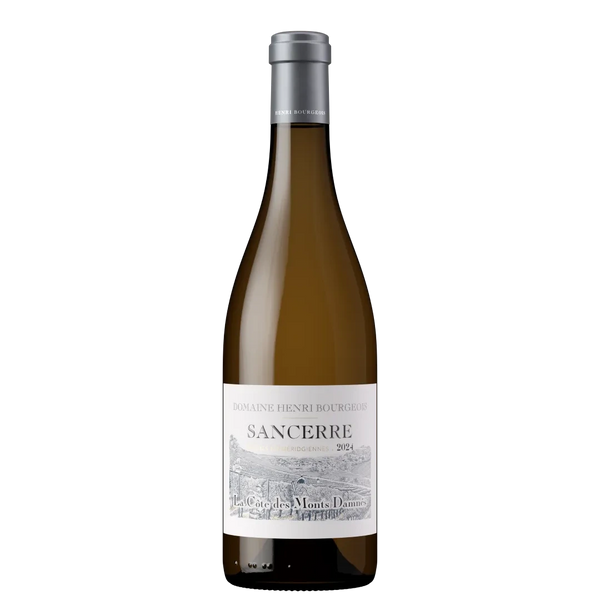
For example, our white Sancerre "La Côte des Monts Damnés," grown on Kimmeridgian marl, often gives the impression of a certain roundness and almost exotic aromas — while being perfectly dry. This is the power of the terroir, not residual sugars.
Within the AOC Sancerre, no — white wines are dry. There is no official Sancerre demi-sec or sweet wine.
Some winemakers occasionally experiment with sweeter wines outside the AOC framework (late harvest, noble rot selection), but these cannot be marketed under the Sancerre appellation.
If you are looking for demi-sec or sweet Loire wines, consider Vouvray (Chenin Blanc), Coteaux du Layon, or Bonnezeaux — appellations built around sweeter styles.
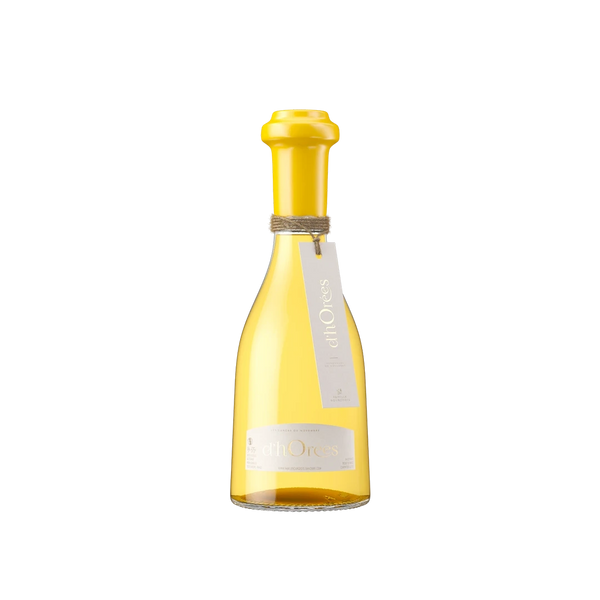
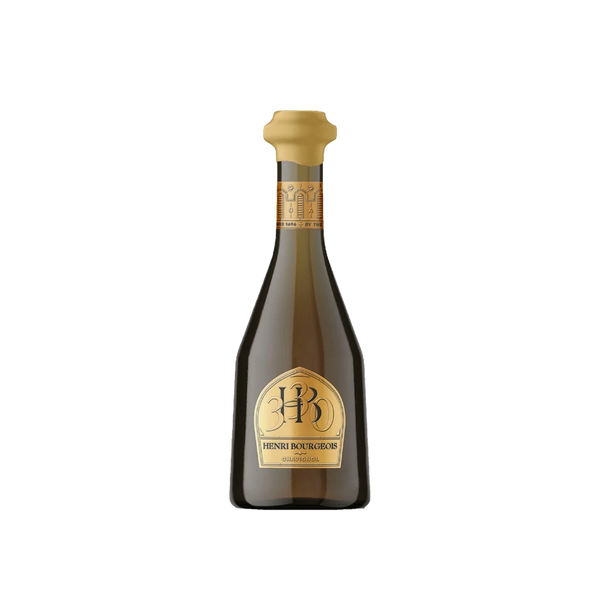
When climatic conditions allow, Domaine Henri Bourgeois produces rare late-harvested bottles that are sweet to luscious — such as "d'hOrées" and the "Cuvée anniversaire."
FAQ
Can a Sancerre seem sweet even if it's dry?
Yes. The ripeness of the fruit, the texture in the mouth, and certain aromatic profiles (ripe white fruits, flowers) can give an impression of sweetness even without significant residual sugars. This is sometimes called 'apparent sweetness'.
Which Sancerre wine should I choose if I prefer less dry wines?
All Sancerre blancs are dry. However, some are rounder than others—our Sancerre blanc "La Côte des Monts Damnés," grown on marl, will have a fuller texture than a wine from limestone. If you prefer less sharp wines, opt for our marl-based cuvées rather than those from flint.
Is red Sancerre also dry?
Yes. Red Sancerre (Pinot Noir) is also vinified dry. The grape sugars are fully fermented—there are no significant residual sugars in the appellation's red wines.

The 3 Terroirs of Sancerre: Flint, Caillottes, and White Soil

A Bourgeois Family Recipe: Roasted Asparagus

Wine vintage: why does it change everything?