
Food and wine pairings
Sancerre Pinot Noir: what food pairings?


Sancerre Pinot Noir: what food pairings?
Sancerre is often associated with a single wine: the white, vibrant and world-renowned. Yet the red has been grown in the Bourgeois family vineyards for just as long—a subtle, precise Pinot Noir that deserves a guide all its own.
Sancerre red is a refined wine with natural freshness and silky tannins—a subtle gastronomic wine that enhances the dish rather than overpowering it. As with the white, each Sancerre terroir shapes a distinct profile, and therefore a different pairing.
Sancerre red stands out for several characteristics that determine all the pairings that follow:
Understanding this mechanism allows you to choose the right cuvée for each dish rather than following a generic list.
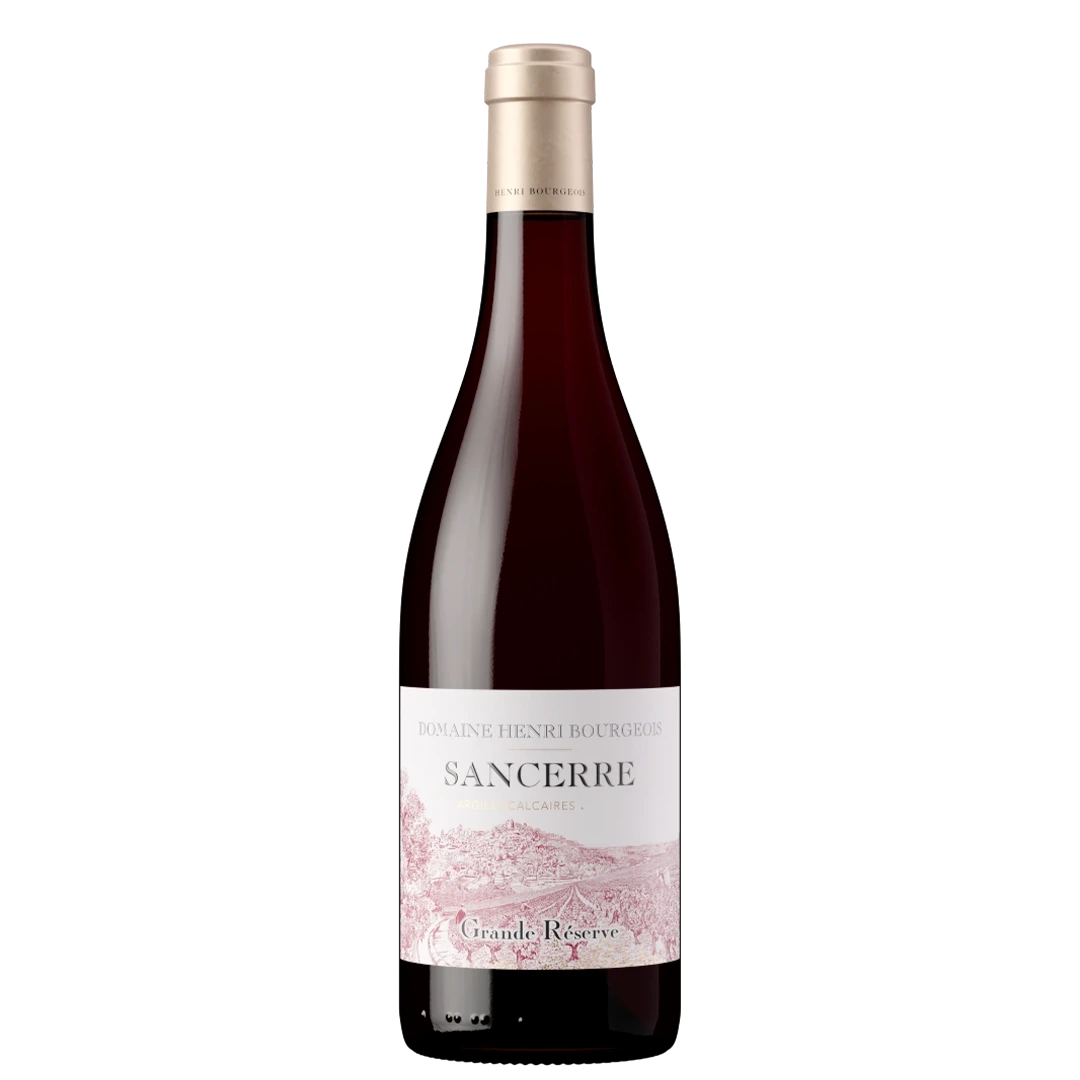
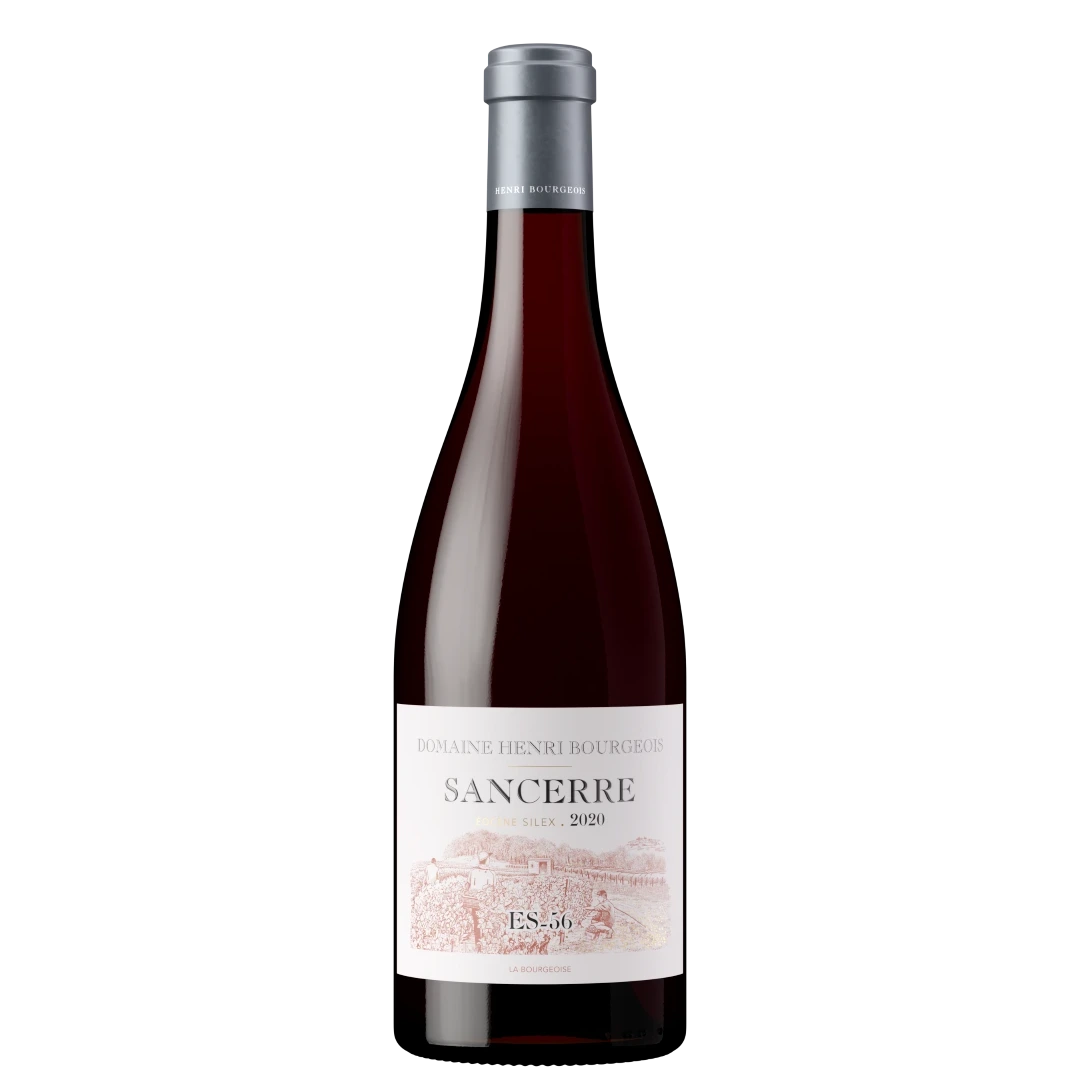
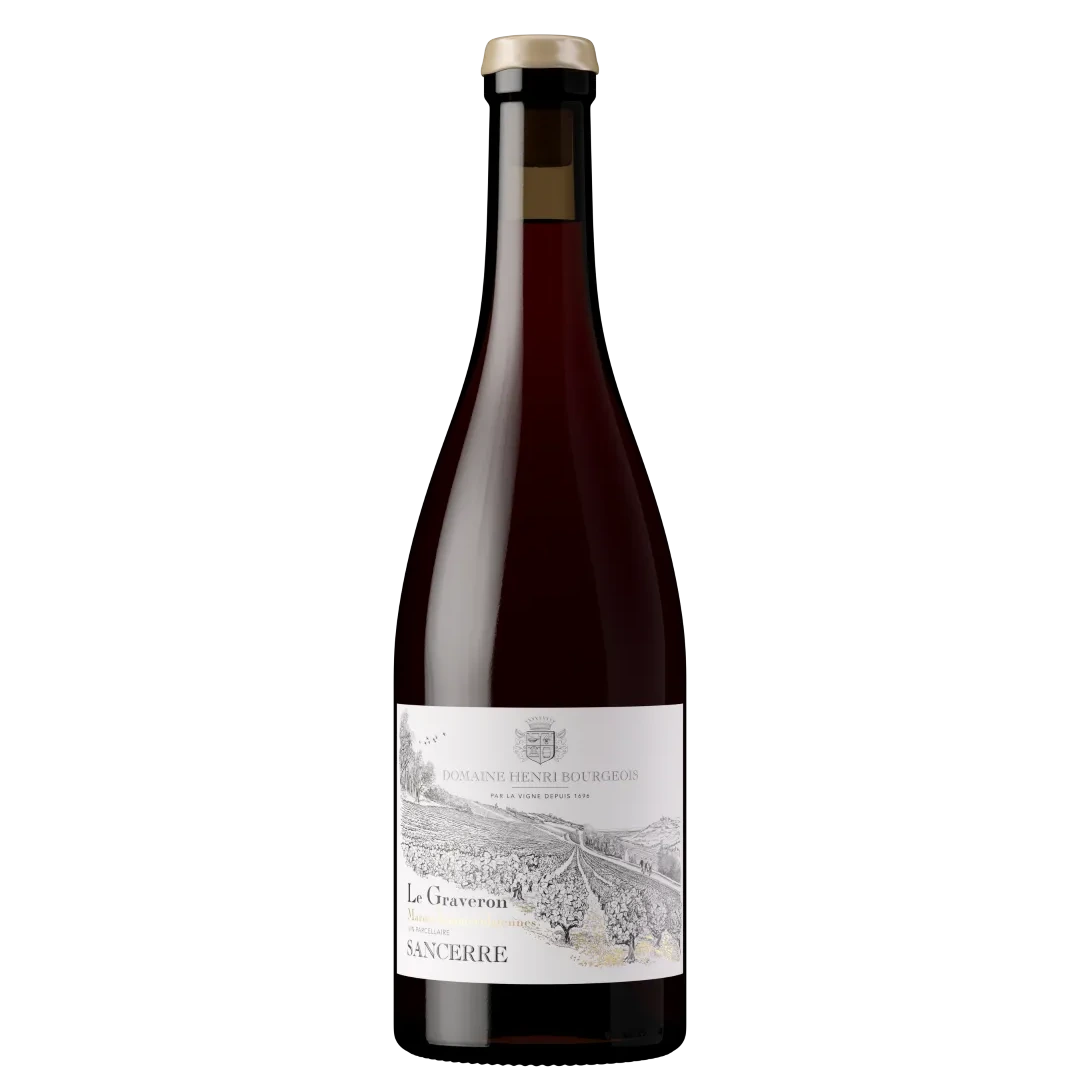
The "Grande Réserve" is our entry into red Sancerre, and the most versatile of the three. Grown on limestone-rich soils and aged in large oak containers, it develops a fruity and approachable profile, with fine tannins and lovely freshness—a wine that embraces the diversity of a convivial table.
Food pairing examples:
Our serving recommendation: 14–16°C, slightly cool to preserve the wine's fruit and liveliness.
The "ES-56" on silex is our most intense Sancerre red. Its mineral tension makes it a precise wine, ideal with dishes of fine texture, where a contrast pairing is sought rather than power. Aged in 600L oak barrels, this wine presents beautiful notes of red fruits, black fruits, and vanilla. Coming from old vines on silex that yield few grapes at harvest, its aromatic concentration is exceptional.
Food and wine pairing examples:
"Le Graveron" is our only single-vineyard red cuvée, produced from the Kimmeridgian marl of the Côte des Monts Damnés. It is also the estate's most ambitious Sancerre red: a delicate tannic structure provided by aging in oak barrels (228 and 600L), terracotta amphorae, and glass (WineGlobe), with a longer finish and the elegant texture characteristic of Kimmeridgian marl. It is our cuvée that comes closest to a Burgundy style.
Food and wine pairing examples:
Note on tannins: a Sancerre red remains a wine with a delicate tannic structure. If you are looking for a pairing with highly marbled red meat or a rich sauce, a Sancerre red from old vines such as our "ES-56" remains our best choice—serve it between 16 and 18°C so that the tannins can fully express themselves.

Sancerre red is served cooler than a classic structured red: between 14°C for the "Grande Réserve" and 16-17°C for "Le Graveron". A brief decanting (15 to 20 minutes) is particularly beneficial for the "Graveron", which will gain aromatic openness. The fresher and less complex cuvées generally do not need it.
Summary table: Pinot Noir from Sancerre at the table
| Terroir | Cuvée | Style | Preferred dishes |
|---|---|---|---|
| Limestone soils | Sancerre red "Grande Réserve" | Fruity, approachable, fine tannins | Poultry, grilled veal, mushrooms, charcuterie |
| Flint | Sancerre red "ES-56" | Straightforward, precise, intense | Lamb, pigeon, rabbit, game birds |
| Kimmeridgian marl | Sancerre red "Le Graveron" | Structured, elegant, Burgundy style | Game, lean red meat, reduced sauces |
Winemakers in Sancerre since 1696, the Bourgeois family considers Pinot Noir to be as precious a part of their heritage as Sauvignon Blanc. Three terroirs, three vintages, three approaches to food pairing—but always the same commitment to finesse.
Book a tasting at Domaine Henri Bourgeois — in Chavignol, Sancerre
Visit the restaurant "La Côte des Monts Damnés" — menus €29 (lunch), €45 and €59, excluding wine
FAQ
What dish to pair with a Sancerre rouge?
It depends on the terroir. Over limestone-rich clay soils (Sancerre rouge "Grande Réserve"), opt for roast poultry or grilled veal. Over flint soils (Sancerre rouge "ES-56"), lamb and game birds are the classic pairings. Over Kimmeridgian marl soils (Sancerre rouge "Le Graveron"), game birds and lean red meats in a reduced sauce are the best match.
Does red Sancerre go well with red meat?
Yes, provided you choose lean meats and preparations without an overpowering sauce. Sancerre Pinot Noir has fine tannins and a natural freshness that makes it particularly well-suited to bavette or onglet. For characterful meats or game, the "ES-56" on silex or "Le Graveron" on Kimmeridgian marl are our recommendations.
What temperature should a red Sancerre be served at?
Between 14 and 17°C depending on the cuvée: cooler for the "Grande Réserve" and the "ES-56", closer to 16-17°C for "Le Graveron", which needs temperature to express itself.
Can you serve a red Sancerre with fish?
This pairing should be avoided with oily fish (salmon, mackerel): the tannins react with the proteins in the fish, creating an unpleasant metallic taste. With delicately prepared fish, it is better to opt for a white Sancerre.

Sancerre Pinot Noir: what food pairings?

Sancerre Wine Gift Set: The Gift Idea That Makes a Difference

A Bourgeois Family Recipe: Venison Filet Mignon