
Choosing your wine
How to Read a Wine Label?


How to Read a Wine Label?
A wine label is both simpler and richer in information than one might think. Simple, because once you know the few key elements, you can read any bottle in twenty seconds. Rich, because this information - appellation, vintage, producer, alcohol content - tells you something real about what you are going to drink.
This guide explains each mention, whether mandatory or not, and what it really tells you about the wine. We illustrate it using our own labels - because the best way to understand a label is to have one in front of you.
A French wine bottle typically has two labels: the main label on the front, and the back label. Information is distributed between the two according to precise rules.
This is the visible side, the one that tells the wine's story in a few words. It generally includes:
On the back, you will find the mandatory information required by European regulations:
On our bottles, the back label also includes terroir information — soil type, winemaking method, tasting notes, and recommended pairings. This is not a legal obligation: it's an editorial choice to help consumers understand what they are purchasing.
The appellation is the most informative element of a French label. It tells both where the wine was produced and under what rules.
None, in fact—they are two appellations of the same system. AOC (Appellation d'Origine Contrôlée) is the historical French term. AOP (Appellation d'Origine Protégée) is the corresponding European terminology. Both can be found on labels, sometimes side by side.
What an AOC/AOP guarantees:
This is one of the most confusing particularities for enthusiasts unfamiliar with French tradition: the grape variety is often not indicated on the label because it is implicitly defined by the appellation.
This territorial logic is specific to French tradition. It contrasts with the New World model—Australia, New Zealand, United States—where the grape variety is prominently displayed on the label. Our Clos Henri estate in New Zealand thus clearly states "Sauvignon Blanc" on the label, whereas our Sancerres leave this information implicit.
Below AOCs, IGPs (Indications Géographiques Protégées) regulate wines produced in a wider area with less strict rules. Our "Petit Bourgeois" and Grand Bourgeois range is sold as IGP Val de Loire—which allows us to vinify different grape varieties (Cabernet Franc, Pinot Noir for rosé) in a more flexible framework than the Sancerre AOC, while maintaining the same agronomic requirements.
The vintage is the year the grapes were harvested. It's one of the most useful pieces of information on a label — provided you know what to do with it.
What the vintage tells you:
Reading the vintage depends on the type of wine and the cuvée. Some practical guidelines for our wines:
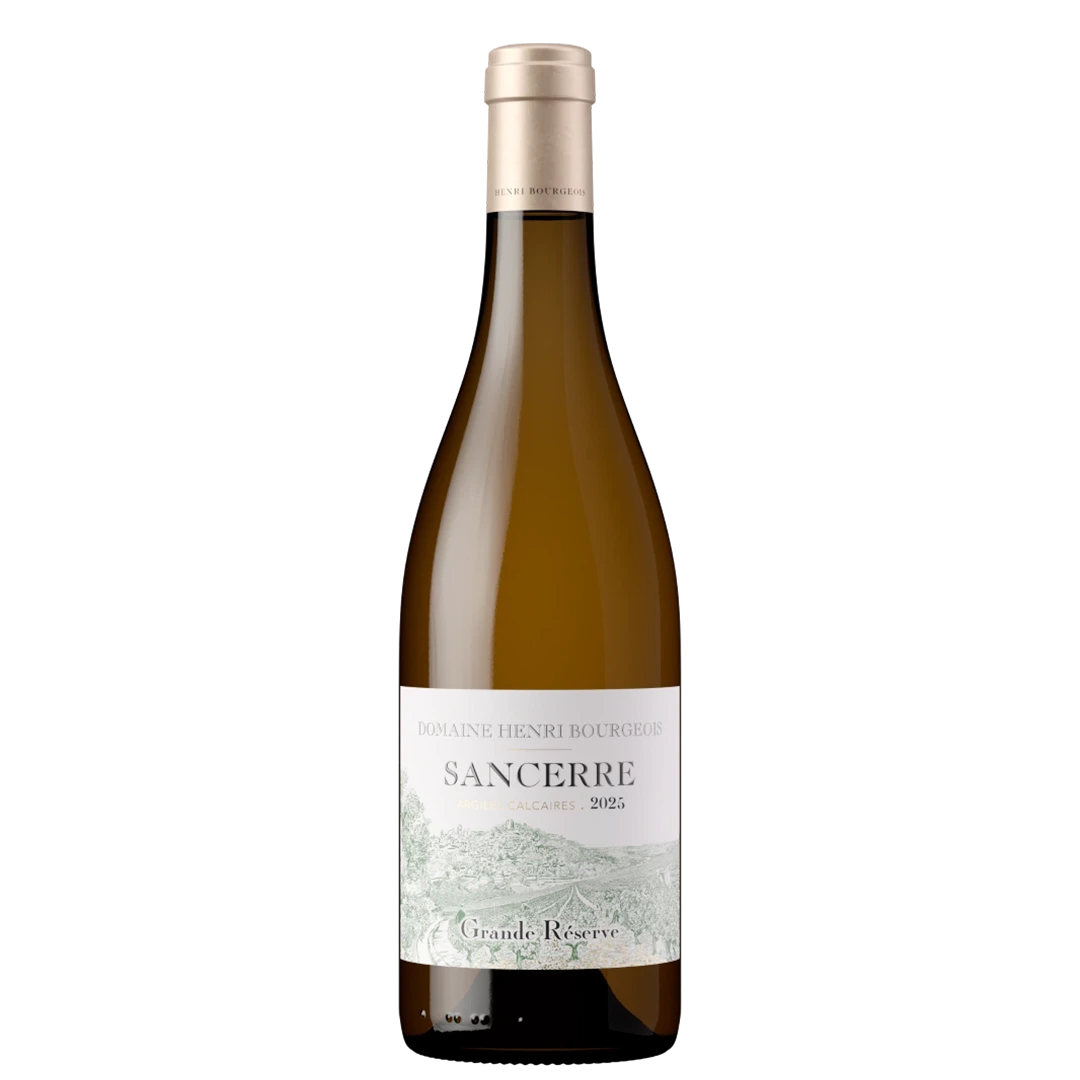
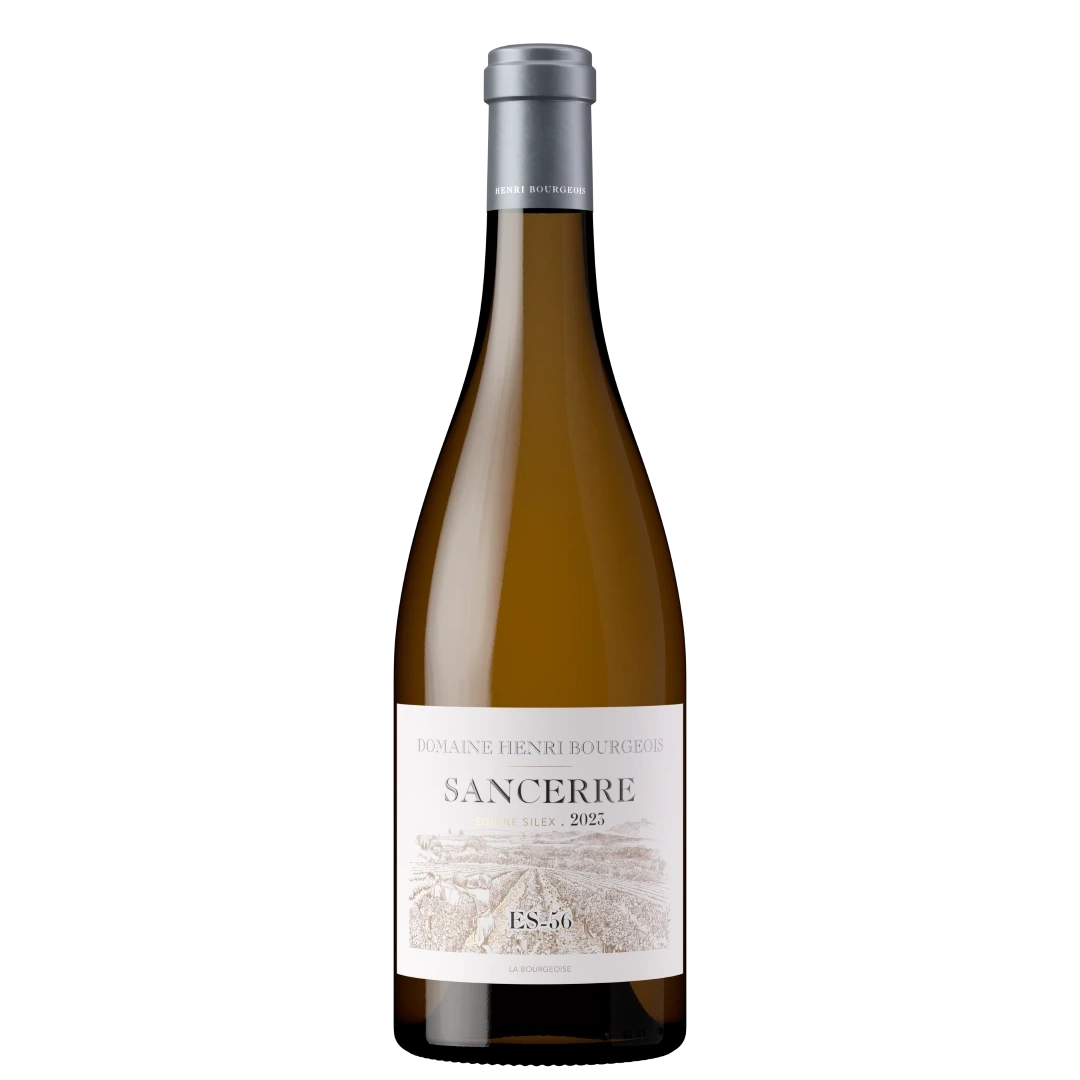
A recent vintage is not necessarily inferior to an older vintage. It all depends on the cuvée and what you are looking for. A "Grande Réserve" Sancerre from last year might be exactly what you need for tonight — whereas an "ES-56" from the same year would need 5 years in the cellar.
The name of the producer or estate is one of the most important – and often underestimated – pieces of information. Two bottles with the same appellation and vintage can be very different depending on who made them.
This mention, which you will find on our bottles, means that we cultivated the vines, made the wine, and bottled it ourselves. The entire process is under our responsibility.
Conversely, "bottled by" followed by a name different from that of the producer indicates a négociant – someone who bought the wine in bulk from producers and bottled it under their own brand. This is not necessarily a sign of lower quality, but it is a different approach.
Alcohol content, expressed in % vol., indicates the ripeness of the grapes at harvest – and therefore indirectly the style of the wine. It is not a criterion of quality.
On our labels, the alcohol content varies from vintage to vintage for the same cuvée – this is a faithful reflection of the climatic year, not a correction in the cellar.
"Contains sulfites" is a mandatory mention when the SO2 content exceeds 10 mg/L – which is the case for almost all wines. Sulfites are natural preservatives used for centuries in winemaking to protect wine from oxidation and bacteria.
In organic farming, sulfites are authorized but at capped doses lower than conventional wines. Our certified organic wines therefore contain sulfites – simply in smaller quantities.
The Organic Farming logo represents the letters AB on a green background and concerns only organic certification in France. This certification is obtained after the first three harvests "in organic conversion" and is controlled annually.
The Euroleaf logo (green leaf on a green background, with the FR-BIO-XX code of the certifying body) guarantees that the wine is made from grapes grown without synthetic products, according to European regulations.
All our Sancerre cuvées are certified Organic Farming – you will find the logo on all our labels.
| Mention | Required? | What it tells you |
|---|---|---|
| Appellation (AOC/AOP) | Yes | The geographical boundaries and production rules. Sancerre = Sauvignon Blanc only for whites. |
| Vintage | Yes (except blends) | The year of harvest. Key for assessing aging potential. |
| Grape Variety | No (often absent in France) | The type of grape. Mentioned on IGPs, rarely on French AOCs. |
| Producer / Estate | Yes | Who made the wine. The signature of style and quality. |
| Alcohol Content | Yes | In % vol. Indirect indication of grape ripeness and style. |
| Volume | Yes | 75 cl standard, 37.5 cl half-bottle, 150 cl magnum. |
| Sulfites | Yes (if > 10 mg/L) | "Contains sulfites" — mandatory legal mention. |
| Organic Farming | No (if certified, AB logo) | Certification controlled annually by an accredited body. |
| Bottling | Yes | "Estate bottled": winemaker = bottler. A guarantee of consistency. |
| Lot Number | Yes (may be engraved on the bottle) | Regulatory traceability — of no interest to the consumer. |


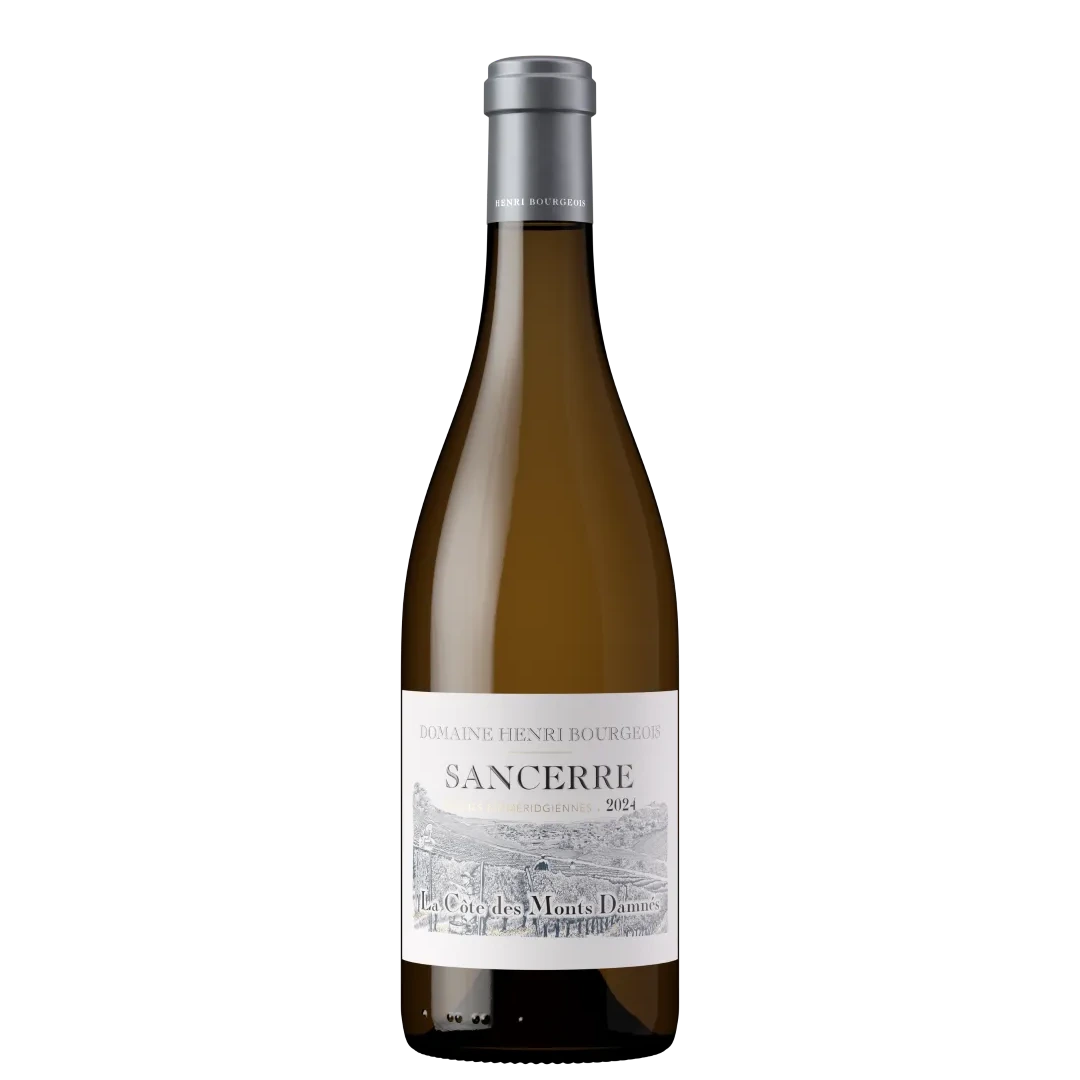
Let's take our "La Côte des Monts Damnés" Sancerre white wine to illustrate how to read a wine label from A to Z.
Cuvée Name: "La Côte des Monts Damnés" — the name of the hillside from which the vines originate, cultivated since the 11th century in Chavignol.
Appellation: "Sancerre" — AOC, produced exclusively from Sauvignon Blanc for this white wine.
Producer: "Domaine Henri Bourgeois" — winemakers in Sancerre, cultivating vines since 1696.
Terroir (back label): "Kimmeridgian marl" — the Terres Blanches (White Lands), fossiliferous clay soil with a south-facing exposure.
Vintage: The harvest year — key for assessing the wine's stage of evolution.
Certification: Organic Agriculture logo — cultivation without synthetic products, annual certification.
Aging Potential (back label): 5 to 7 years — an indication we provide to guide the consumer.
The back label of our single-vineyard cuvées also mentions the type of soil, the vinification method, and sometimes suggested food pairings. This information is not mandatory — we include it because we believe a well-understood wine is a better-appreciated wine.
FAQ
What do AOC or AOP mean on a wine label?
AOC (Appellation d'Origine Contrôlée) and AOP (Appellation d'Origine Protégée) refer to the same thing: a wine produced in a delimited geographical area, with controlled grape varieties and production methods. On a Sancerre label, this guarantees that the white wine is produced exclusively from Sauvignon Blanc, within the delimited area of the appellation.
Why isn't the grape variety always listed on French wines?
In France, the appellation implicitly defines the authorized grape varieties — so they are not always mentioned on the label. A white Sancerre is necessarily Sauvignon Blanc, a red Burgundy is necessarily Pinot Noir. This territorial logic is specific to French tradition, unlike the New World, which highlights the grape variety on the label.
What does "Estate bottled" mean?
This means that the producer who cultivated the vines and made the wine is also the one who bottled it — the entire chain is controlled by the same entity. This ensures consistency and accountability throughout the process. Conversely, "bottled by" followed by a different name indicates the involvement of a négociant.
How do you know if a wine is organic from reading the label?
Look for the Euroleaf logo (green leaf on a green background) accompanied by the certification body's code — FR-BIO-01 for Ecocert, for example. The mention 'organic wine' alone without a certified logo has no regulatory value. Since 2012, European regulations have precisely framed the mention 'organic wine', which also implies rules in the cellar (reduced sulfite doses in particular).
Does alcohol content indicate the quality of a wine?
No – alcohol content is an indication of style, not quality. A 12.5% wine is generally fresher and lighter than a 14.5% wine, but both can be excellent. In Sancerre, our white wines range from 12.5% to 13.5% depending on the vintage – a reflection of the year's climate, not a criterion of superiority.
What is the difference between a "domaine wine" and a "négociant wine" on the label?
An estate wine bears the mention "estate bottled" or "bottled at the property" — the same actor cultivated, made the wine, and bottled it. A merchant wine bears "bottled by [merchant's name]" — the merchant bought grapes or bulk wine to make or blend under their brand. This is not a quality hierarchy: some merchants produce remarkable wines, some estates disappointing wines.

A Bourgeois Family Recipe: Salmon en Bellevue

Which dry white wine is best for an aperitif? Our tips and selection

The 3 Terroirs of Sancerre: Flint, Caillottes, and White Soil