
Choosing your wine
Sauvignon Blanc vs Chardonnay: what are the differences?


Sauvignon Blanc vs Chardonnay: what are the differences?
These are the two most widely planted and well-known white grape varieties in the world. And yet, in the glass, they are not at all alike.
Sauvignon Blanc: fresh, crisp, aromatic, mineral.
Chardonnay: full-bodied, generous, often oaked, with great complexity. One is a grape of immediate expression. The other is a grape of transformation and patience.
We have been cultivating Sauvignon Blanc for generations in Sancerre – it is our grape variety, the one we know in its slightest expressions depending on the soils and vintages. This comparison is based on this field experience, without bias: both grape varieties are great, they just are in different ways.
Sauvignon Blanc originates from the Loire and Bordeaux regions. It is a grape particularly sensitive to its environment — it remarkably precisely reflects the soil it grows in, the exposure of the plot, and the climatic conditions of the year.
On the flint soils of Sancerre, it develops a smoky, almost electric minerality. On the Kimmeridgian marls (the "Terres Blanches"), it gains roundness and depth. On the calcareous clays, it is more generous, more immediately accessible. The same grape, these striking variations: this is what makes Sauvignon Blanc fascinating for those who take the time to understand it.
Its taste signature is consistent: vibrant acidity, persistent freshness, immediate aromatic expressiveness. It is a wine that doesn't hide.
Chardonnay originates from Burgundy — Chablis, Meursault, Puligny-Montrachet are its benchmark expressions. It is naturally a neutral grape: not very aromatic on the vine, it derives most of its complexity from two external factors — the terroir it grows on and how it is vinified.
In Burgundy, on limestone soils, it yields mineral, chiseled wines of great finesse. In California, aged in new oak barrels with full malolactic fermentation, it becomes full-bodied, buttery, and vanilla-scented. The same grape, these radically different expressions: this is the strength and sometimes the confusion of Chardonnay.
Its signature: roundness, texture, a certain generosity on the palate. It is a wine that envelops
The aromas of Sauvignon Blanc are among the most identifiable in the world of wine. They fall into three families:
In Sancerre, evolution over time adds an extra dimension: honey, beeswax, light toasted notes in aged cuvées after 5 to 8 years.
Chardonnay has a broader aromatic palette — and more variable depending on the winemaking style:
Malolactic fermentation — which transforms malic acid into lactic acid — is a key step in Chardonnay winemaking: it rounds out the acidity and adds the creamy texture that characterizes it. It is rare in Sauvignon Blanc
| Criterion | Sauvignon Blanc | Chardonnay |
|---|---|---|
| General style | Lively, taut, aromatic, precise | Full-bodied, round, generous, complex |
| Acidity | High — marked freshness | Moderate to high depending on region |
| Primary aromas | Citrus, boxwood, fresh grass, flint | Apple, pear, butter, vanilla, hazelnut |
| Minerality | Very present in great terroirs | Variable — generally more discreet |
| Oak | Rare — stainless steel aging most common | Frequent — oak barrels common |
| Aging potential | 5-15 years for great Loire cuvées | 5-20 years for great Burgundies |
| Gastronomic versatility | Fish, seafood, fresh cheeses, poultry | Poultry in sauce, oily fish, creamy cuisine |
| Emblematic regions | Sancerre, Pouilly-Fumé, Marlborough (NZ) | Burgundy, Champagne, California, Chablis |
Sauvignon Blanc is one of the most versatile grape varieties at the table — its lively acidity and freshness make it a palate-cleansing wine that pairs well with many dishes.

Chardonnay, being fuller-bodied and often more oaked, pairs well with richer dishes:

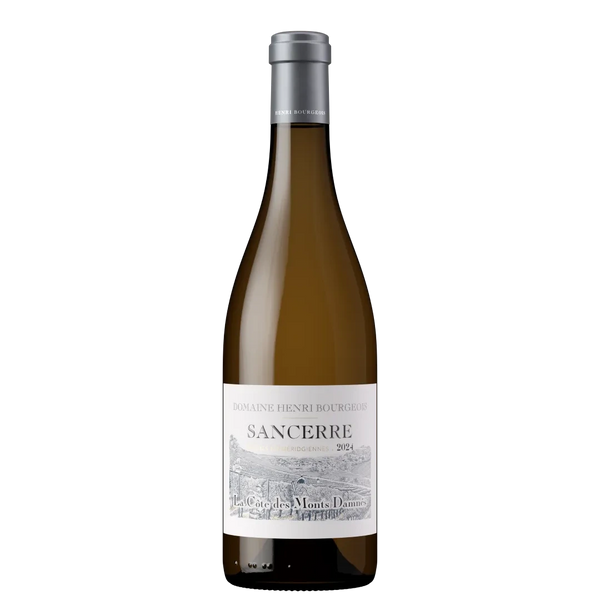
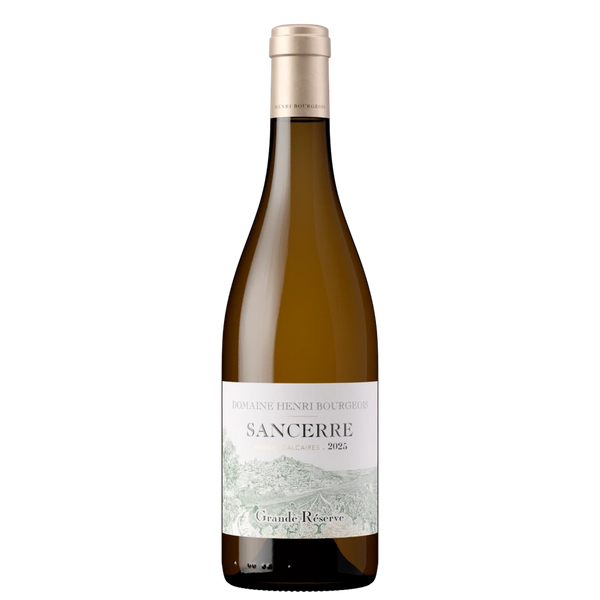
Our Sancerre white "Grande Réserve" is the perfect match for a platter of oysters or a well-aged Crottin de Chavignol. For richer dishes, our "Jadis" or our "Côte des Monts Damnés" — their roundness from Kimmeridgian marls stands up better to the intensity of the dish.
The question is not which is better—it's a matter of timing and the dish. We produce Sauvignon Blanc because it is the grape of Sancerre, the one that expresses our terroirs with the most fidelity. But we deeply respect Burgundy Chardonnay—these are two great French traditions, two different ways of letting the land speak.
At Domaine Henri Bourgeois, we make Sauvignon Blanc on three very different soil types—calcareous clay, Kimmeridgian marl, flint—and on two hemispheres, with our Clos Henri estate in Marlborough, New Zealand.
This dual presence gives us a unique perspective on the grape: the same Sauvignon Blanc, growing in New Zealand on different soils and in a brighter climate, produces a radically different wine—exotic fruits, passion fruit, immediate intensity—whereas Sancerre produces tension, minerality, and length.
The Sauvignon Blanc / Chardonnay comparison is often presented as a choice between two grape varieties. In reality, it's a choice between two ways of approaching white wine: aromatic precision and freshness on one side, complexity and richness on the other. Both have their place at a grand table.
→ Discover Clos Henri Marlborough — our New Zealand Sauvignon Blanc
FAQ
Is Sauvignon Blanc lighter than Chardonnay?
Generally, yes—but it's not an absolute rule. An 8-year-old flinty Sancerre can have as much body and complexity as a Burgundy Chardonnay. The difference lies more in the style than the grape variety itself: Sauvignon Blanc is structurally tauter and more acidic, while Chardonnay is fuller and more generous.
Can they be substituted for each other in a food and wine pairing?
Sometimes, but not always. With grilled fish or oysters, both work — with different results. With goat cheese, Sauvignon Blanc is clearly superior. With poultry in a creamy sauce, Chardonnay is the winner. It's better to think about the dish first, then choose the grape variety accordingly.
Is Chardonnay always oaky?
No. Chablis, produced in Burgundy on Kimmeridgian soils very similar to those of Sancerre, is vinified without oak – or with very little – and produces mineral, taut wines, similar in spirit to Loire Sauvignon Blanc. Oak is a winemaking choice, not an intrinsic characteristic of the grape.
Which one keeps best?
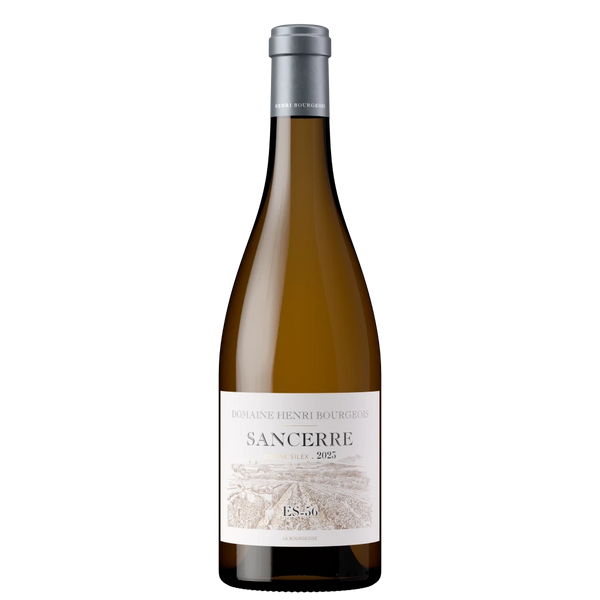
Both can be aged for a long time in good vintages. Great Burgundy Chardonnays (Meursault, Montrachet) can evolve for 15 to 20 years. Our great Sauvignon Blanc cuvées from Sancerre — "ES-56", "d'Antan", "Jadis" — age very well for 10 to 15 years. For entry-level wines, both are best drunk within 3 to 5 years.
New Zealand Sauvignon Blanc vs Loire Sauvignon Blanc: what's the difference?
A considerable difference. Marlborough Sauvignon Blanc (our Clos Henri) is more aromatically intense — tropical fruits, passion fruit, lychee — and more immediately generous. Sancerre Sauvignon Blanc is tauter, more mineral, and more suitable for aging. Both are great, expressing two radically different terroirs and climates.

A Bourgeois Family Recipe: Salmon en Bellevue

