
Choosing your wine
The 3 Terroirs of Sancerre: Flint, Caillottes, and White Soil


The 3 Terroirs of Sancerre: Flint, Caillottes, and White Soil
Sancerre is one of the rare appellations in the world where a single grape variety—Sauvignon Blanc—produces such radically different wines depending on the parcel. The reason lies in one word: the soil. Three main families of terroirs share our hillsides, and each leaves its signature.
This guide details the geology and style of each of Sancerre's three terroirs—Les Caillottes, Les Terres Blanches, and Le Silex—to help you understand what's truly in your glass.

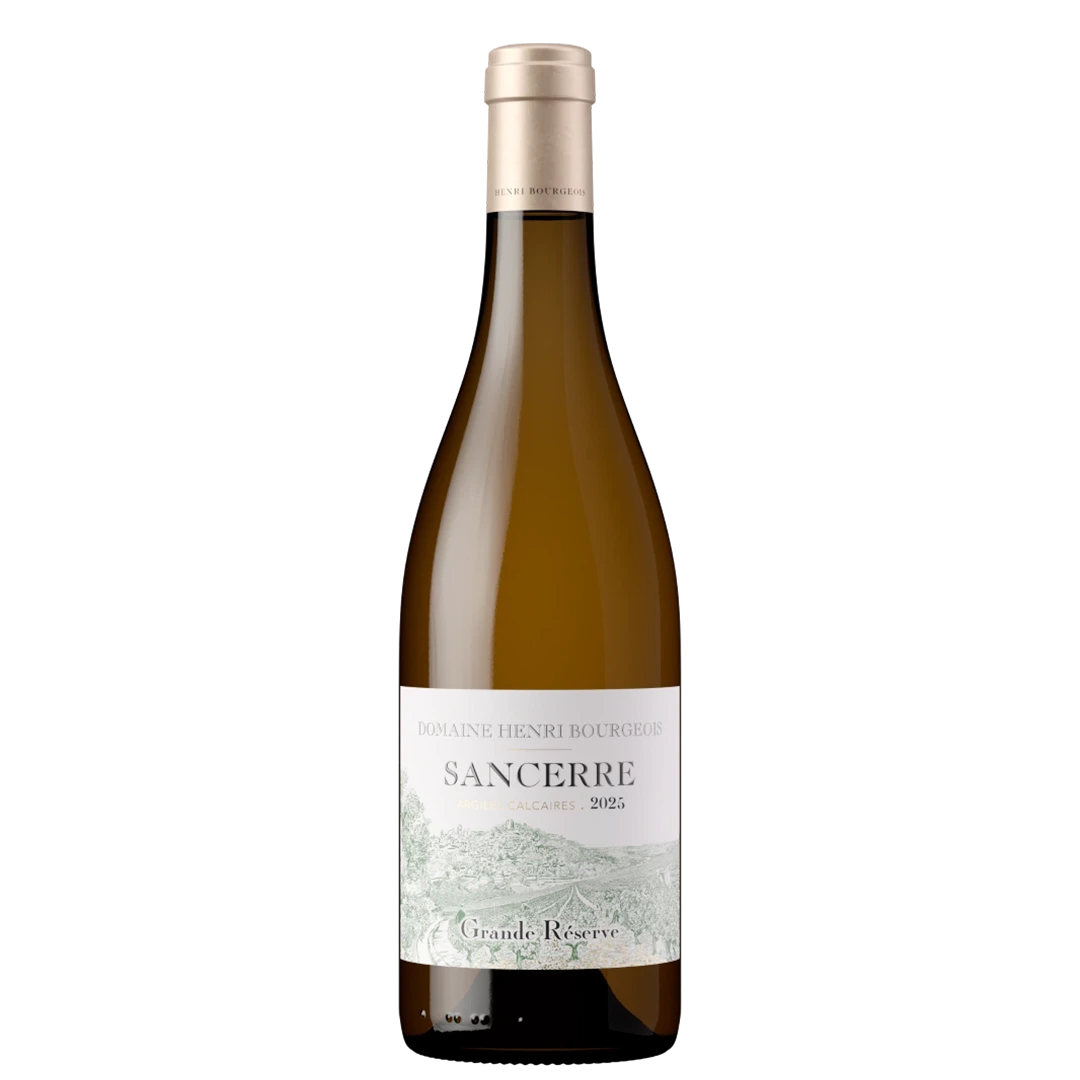
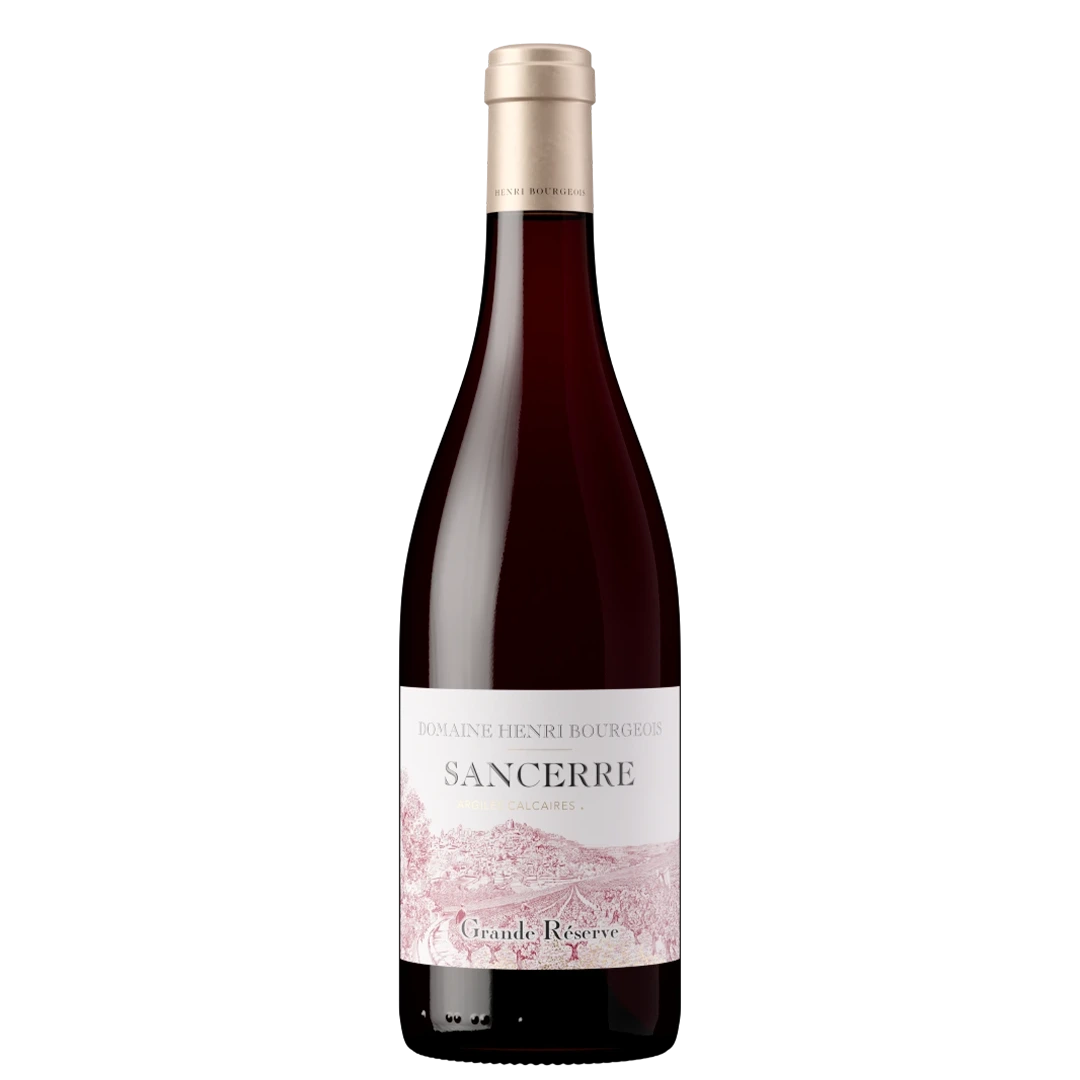
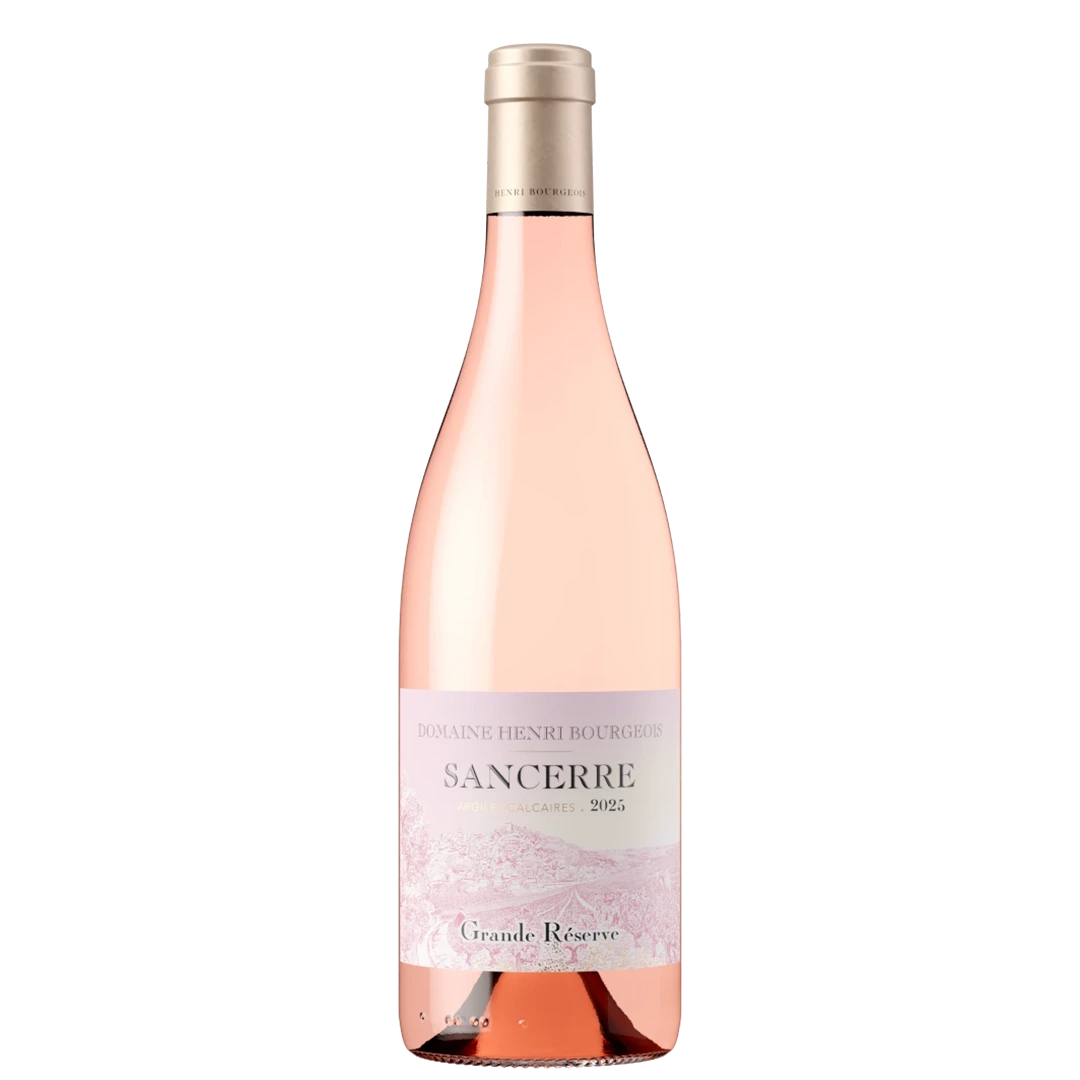
Caillottes are soils of fragmented clay and limestone, often close to the surface, which drain quickly and rapidly warm the vines in spring.
It's often the first entry point into Sancerre Sauvignon Blanc — a generous style that pleases everyone
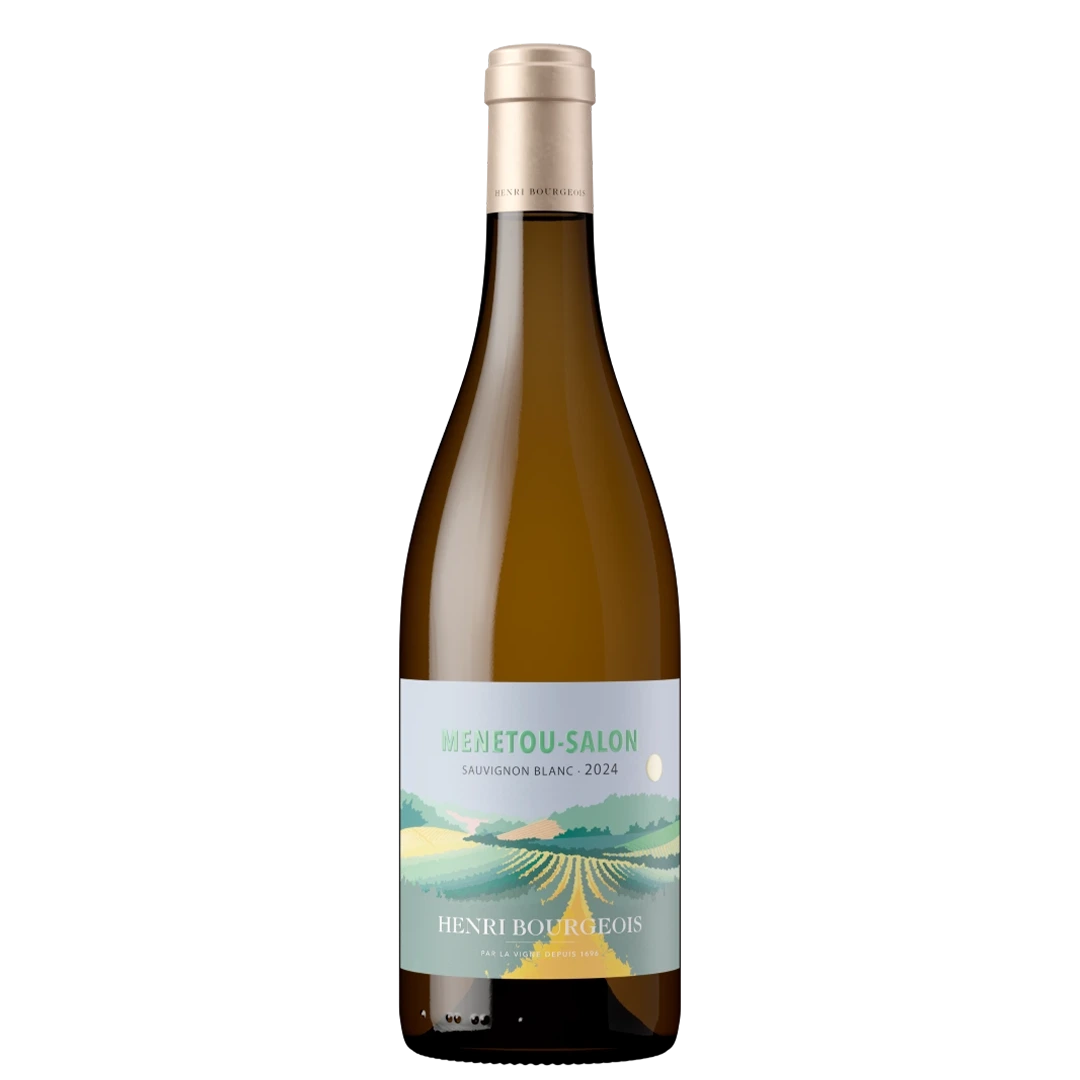
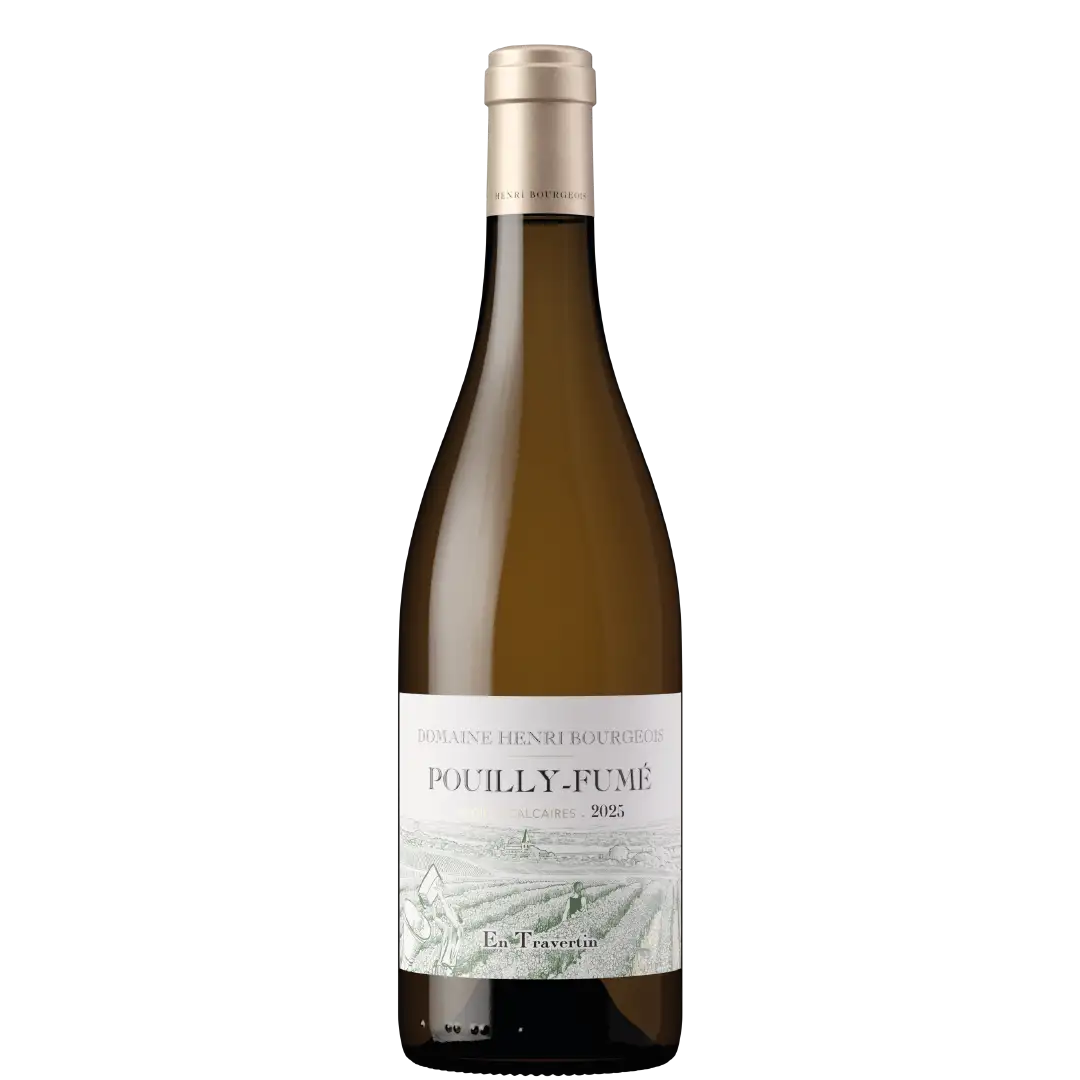
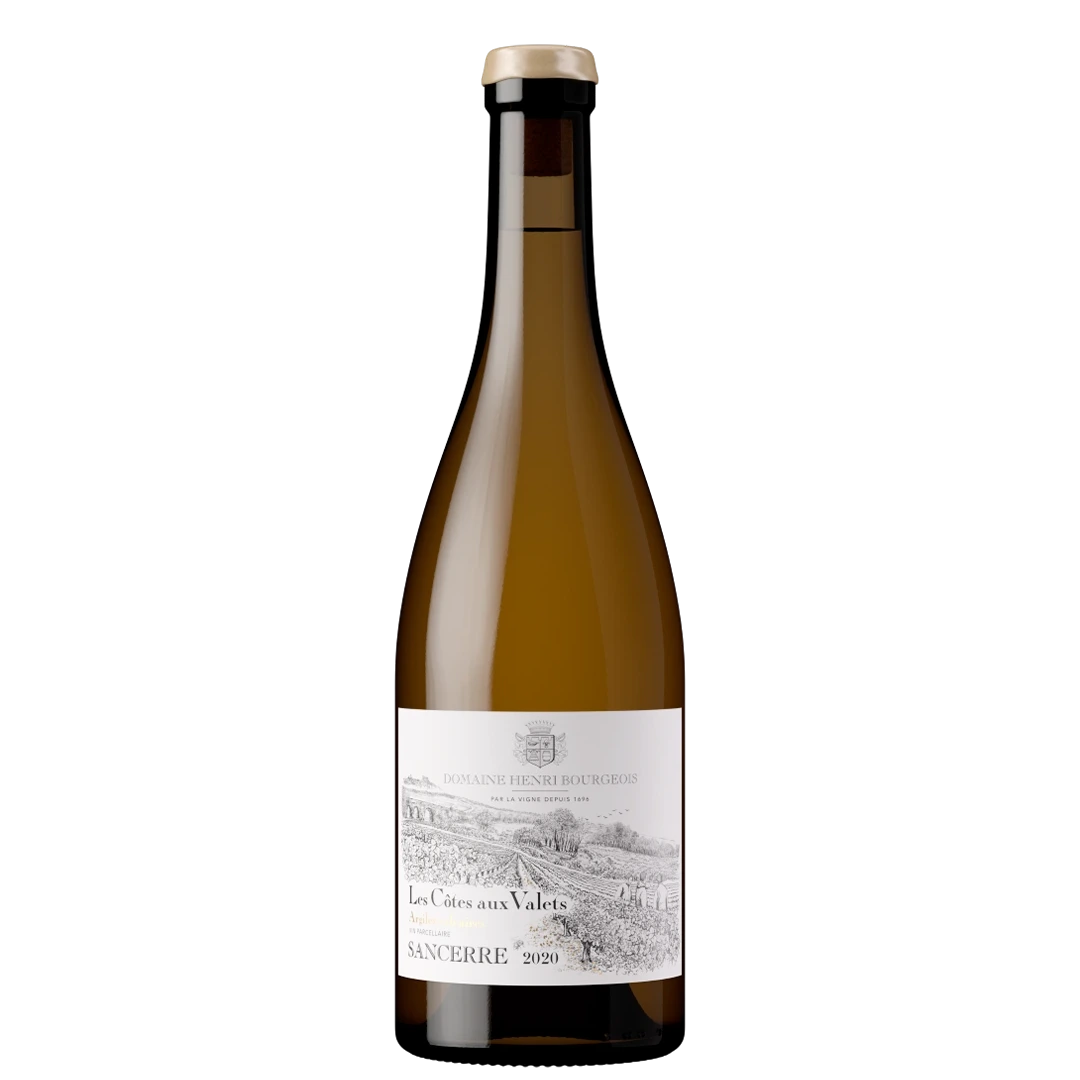

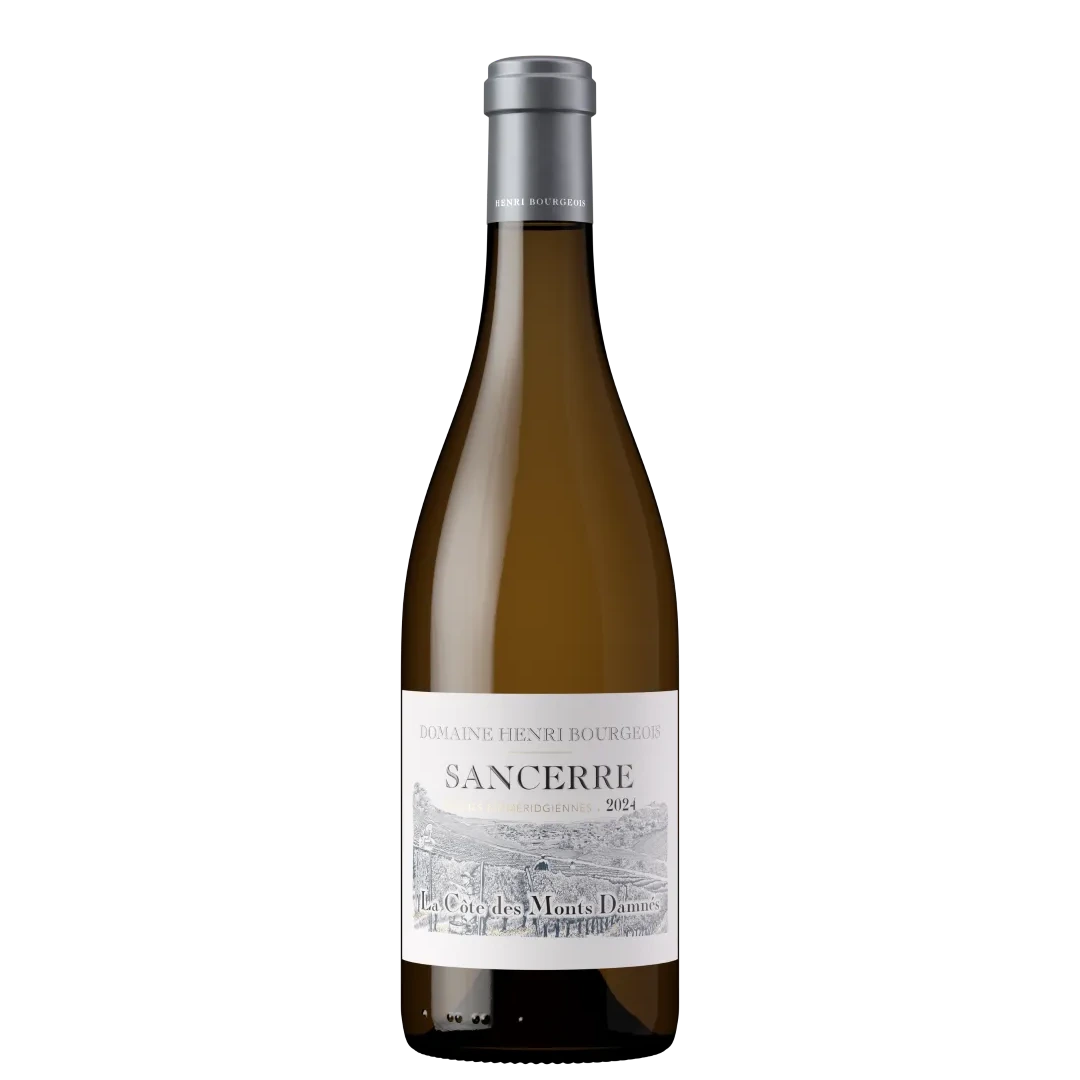
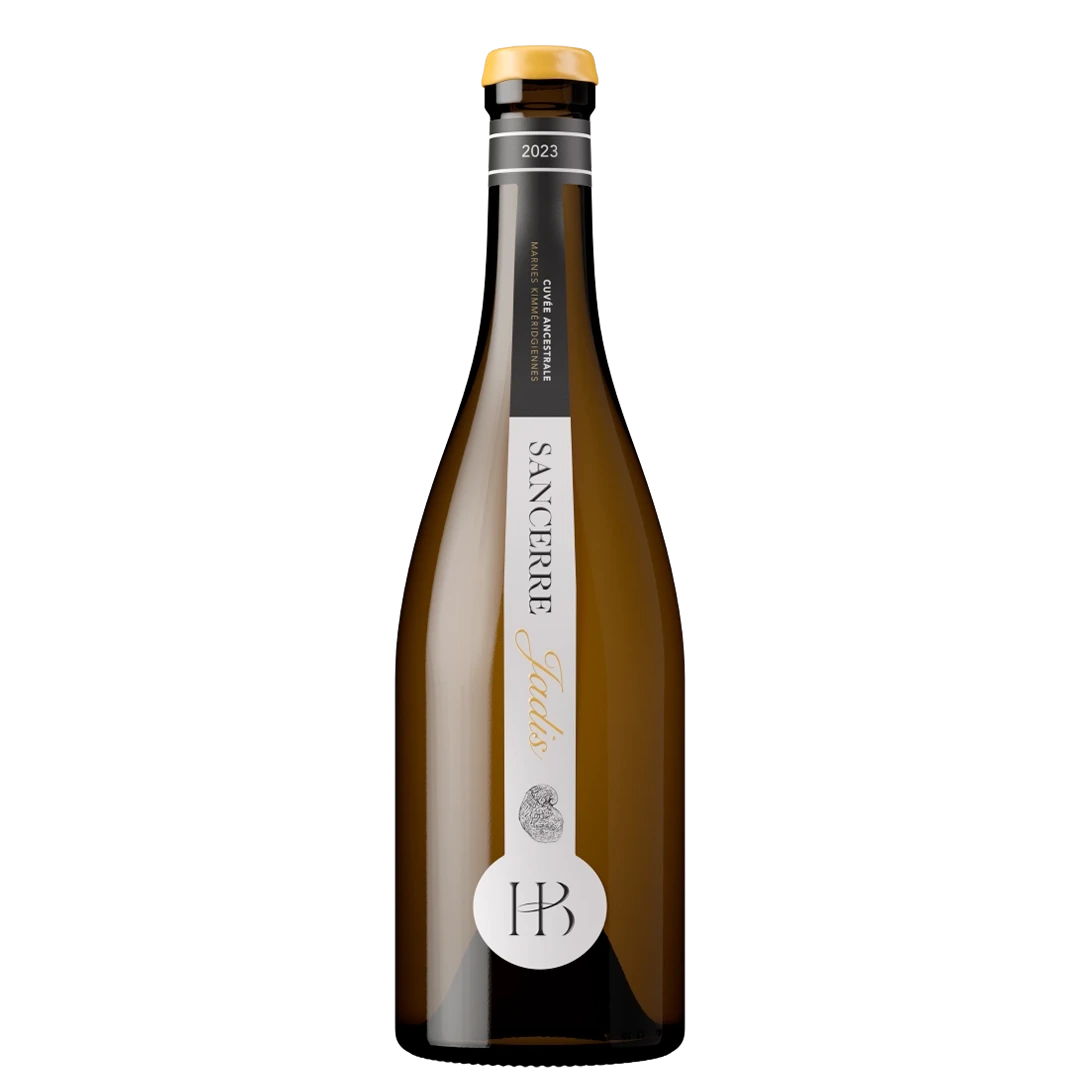
In Sancerre, "Terres Blanches" refers to the Kimmeridgian marl – the same geological formation as in Chablis, rich in marine fossils and over 150 million years old.
These are often our most sought-after wines by connoisseurs – those who seek tension rather than immediacy.
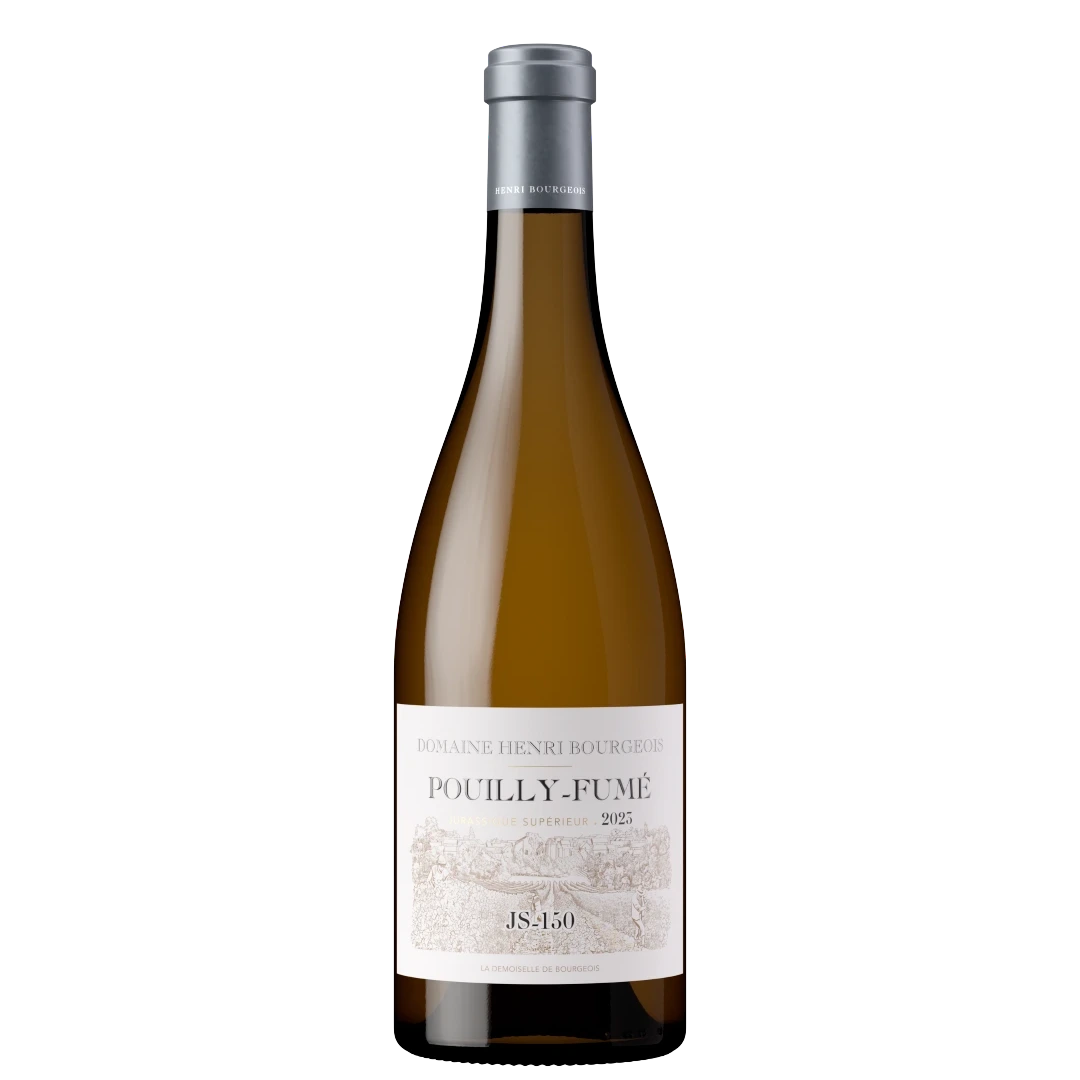
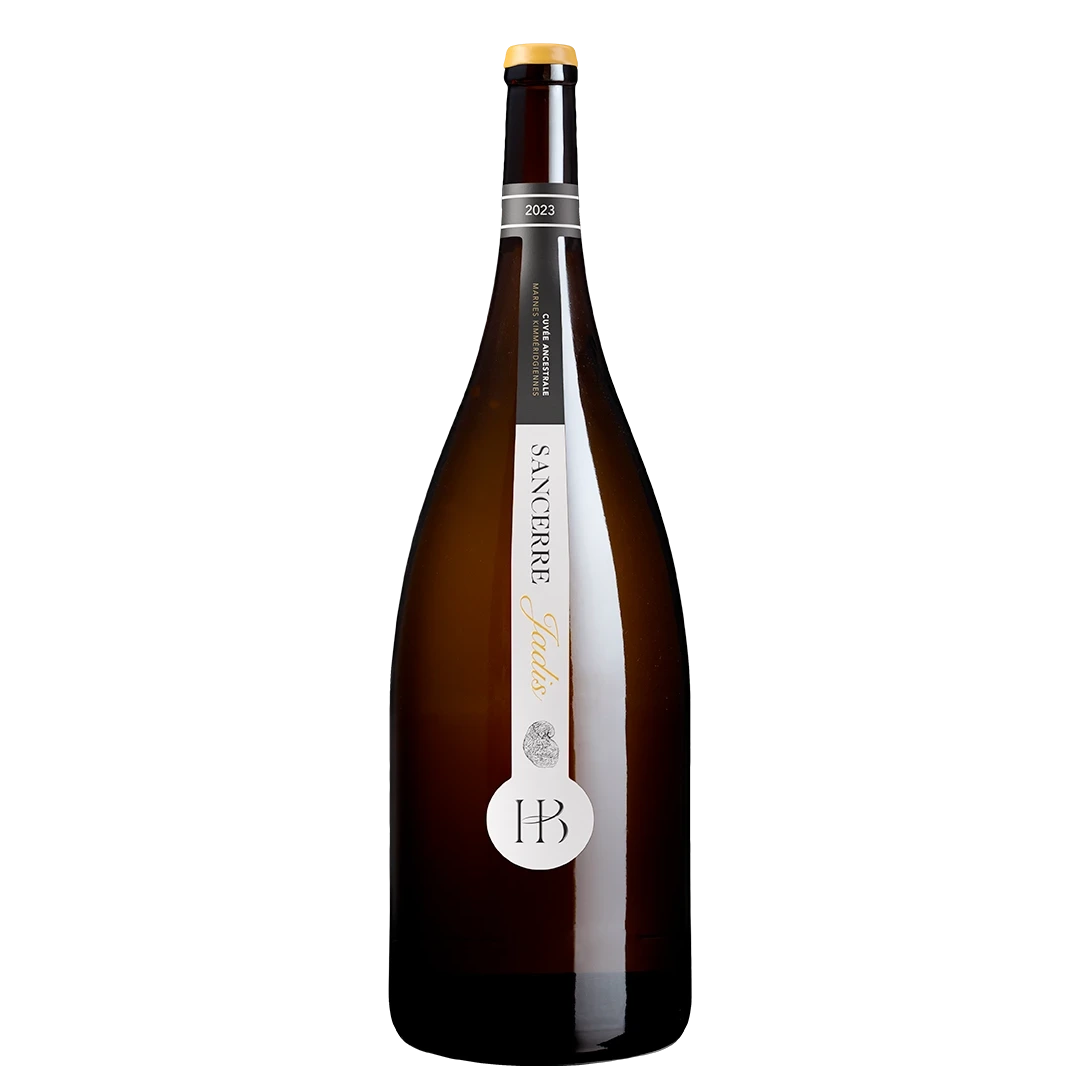
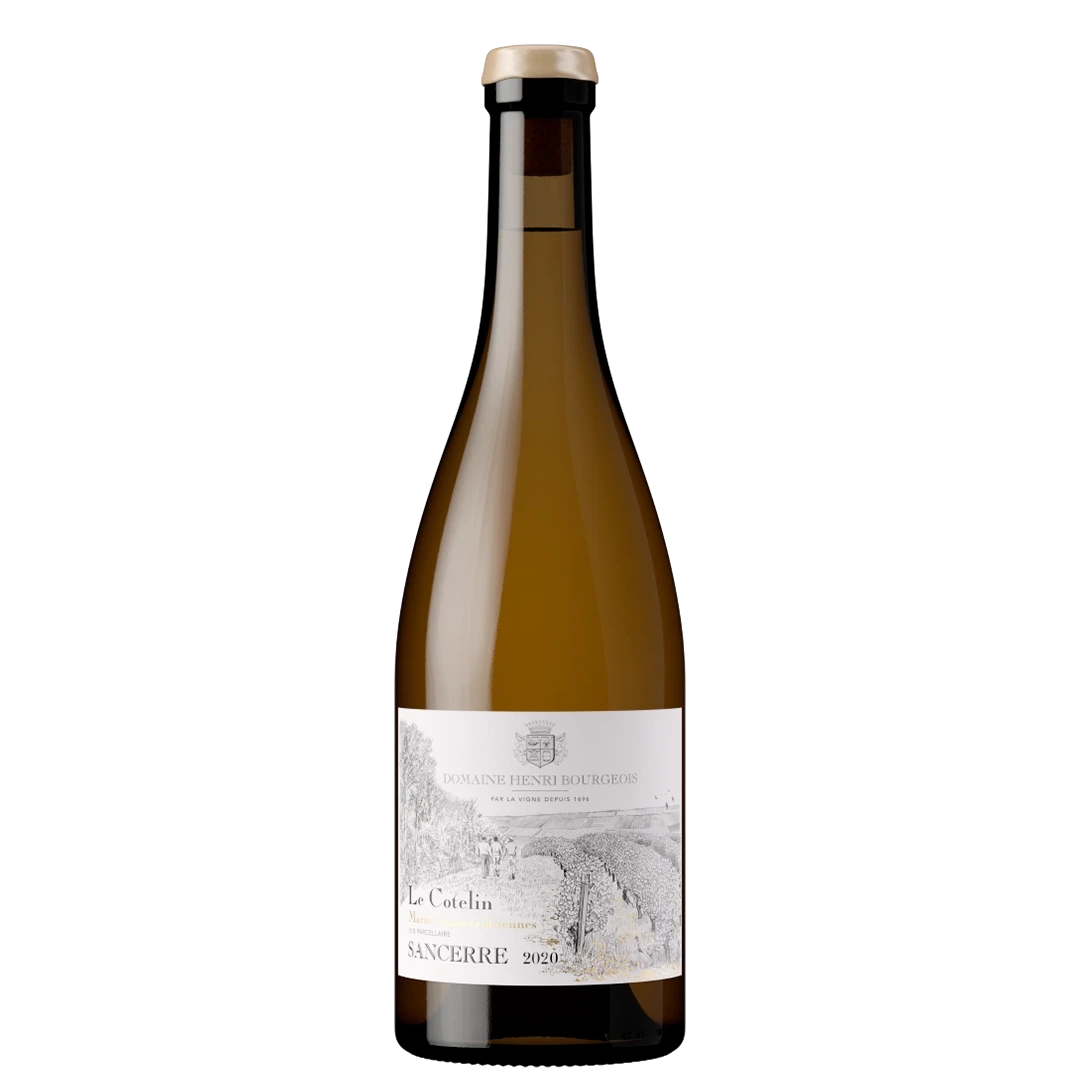
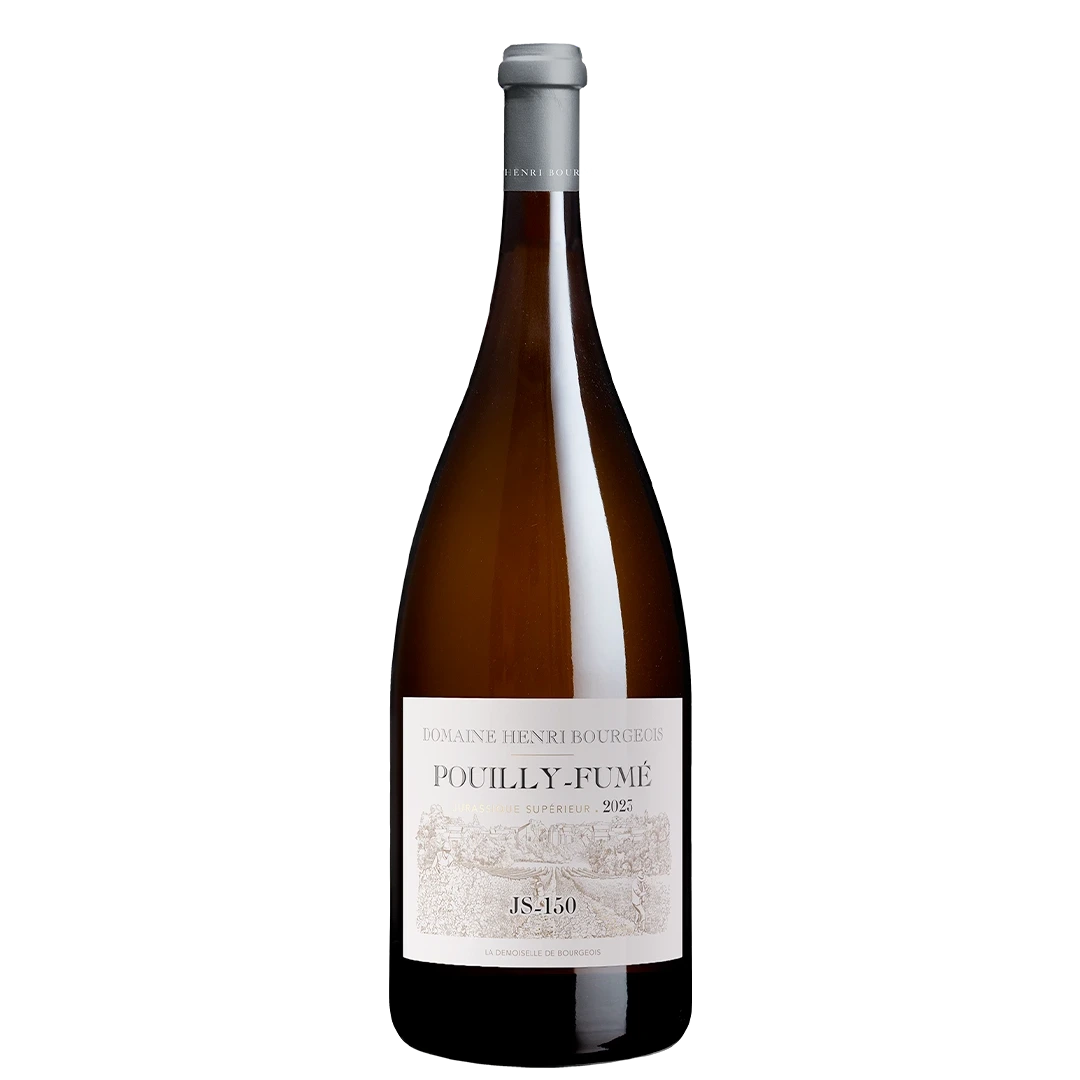
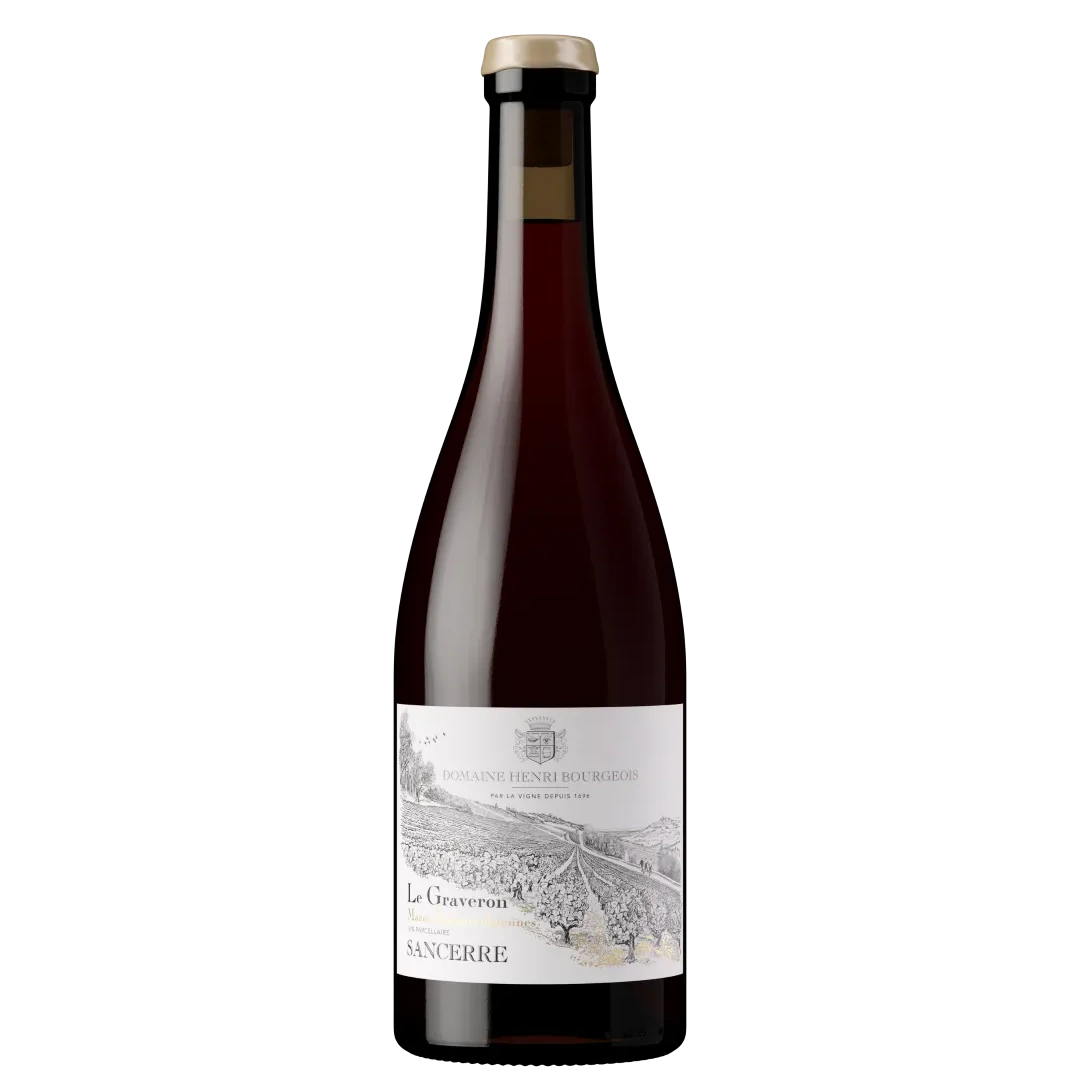

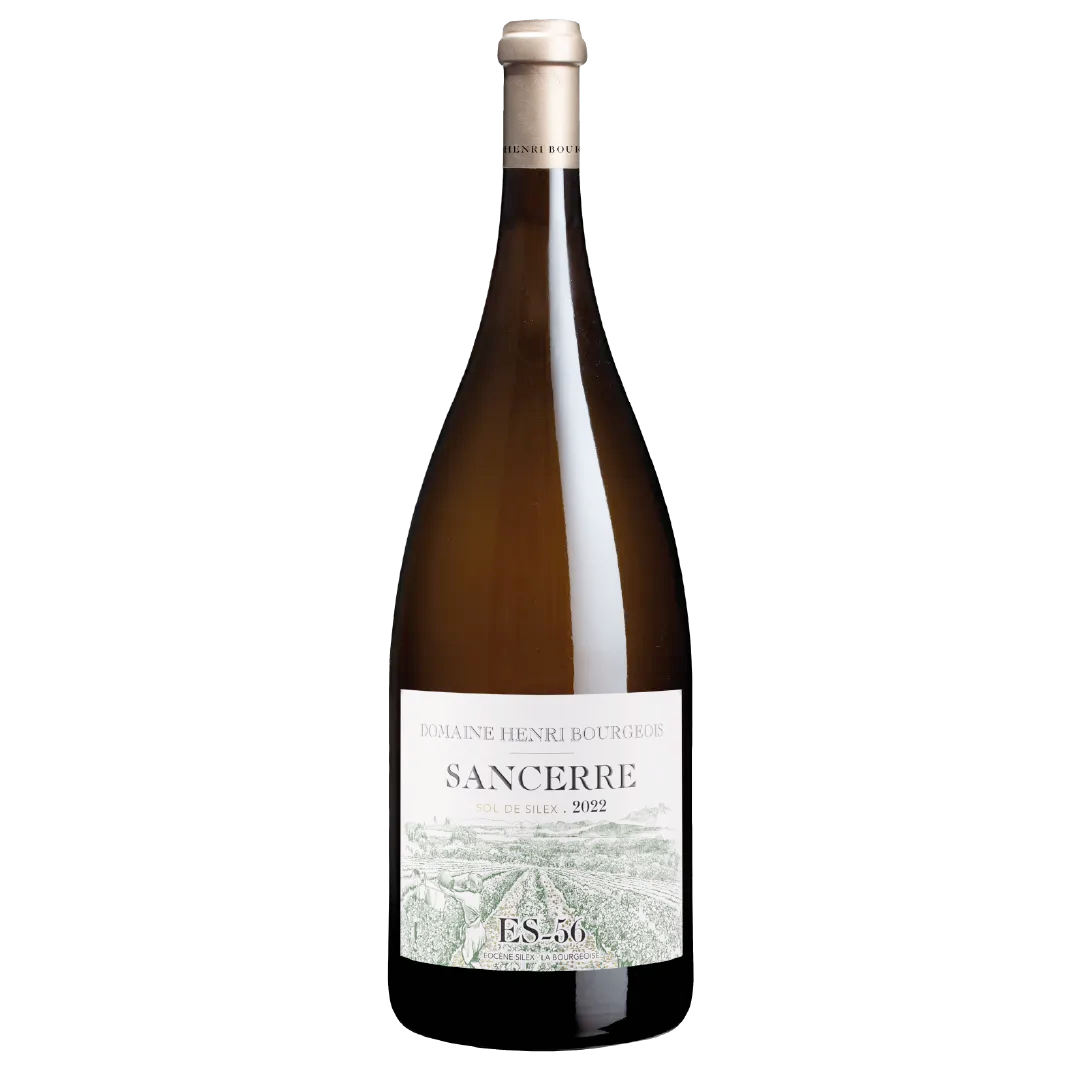
Flint forms layers of pebbles and siliceous nodules on a clay base, mainly to the east of the appellation. It is a poor soil, which forces the vine to root deeply.
This is the most spectacular terroir in blind tastings — recognizable by its flinty, almost smoky note
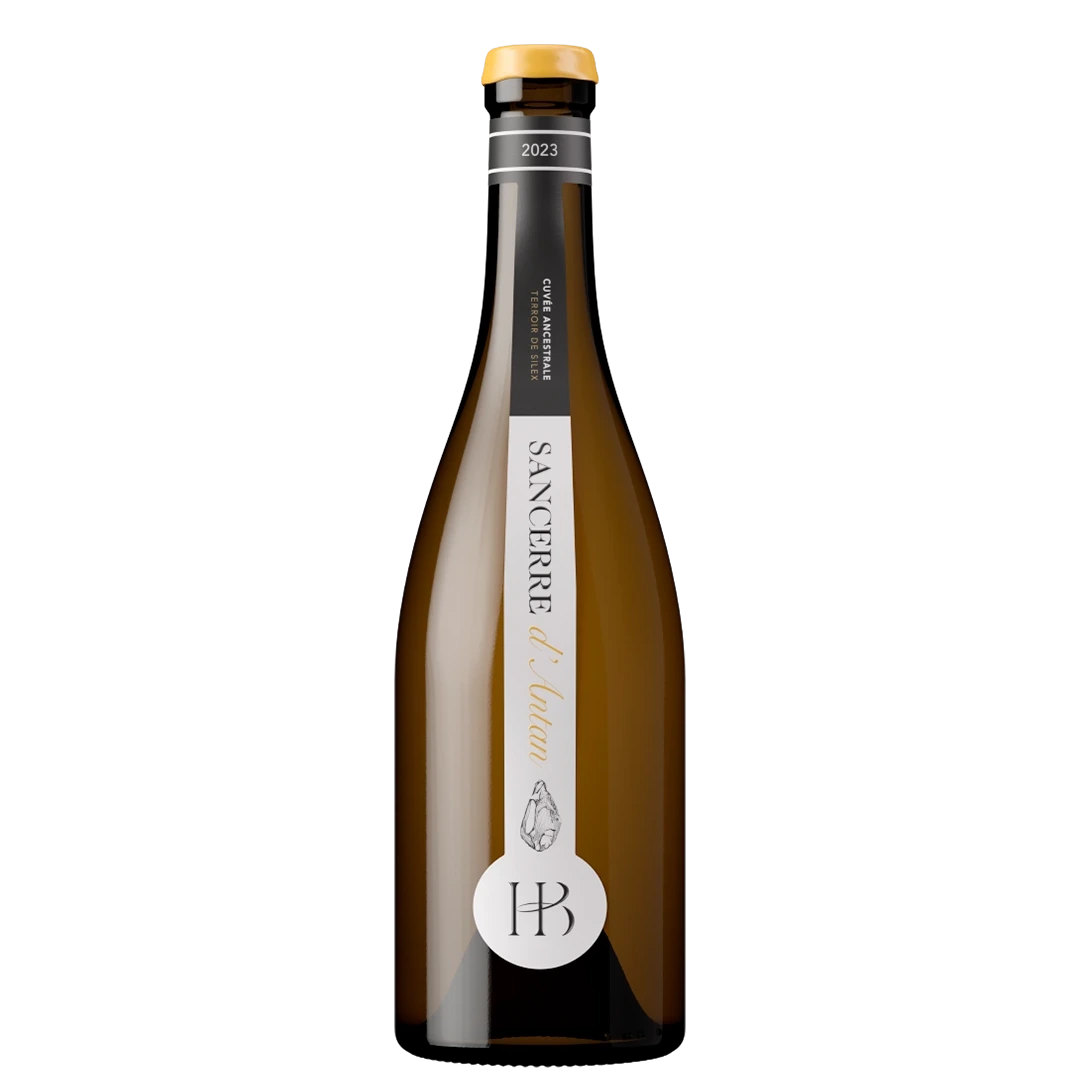
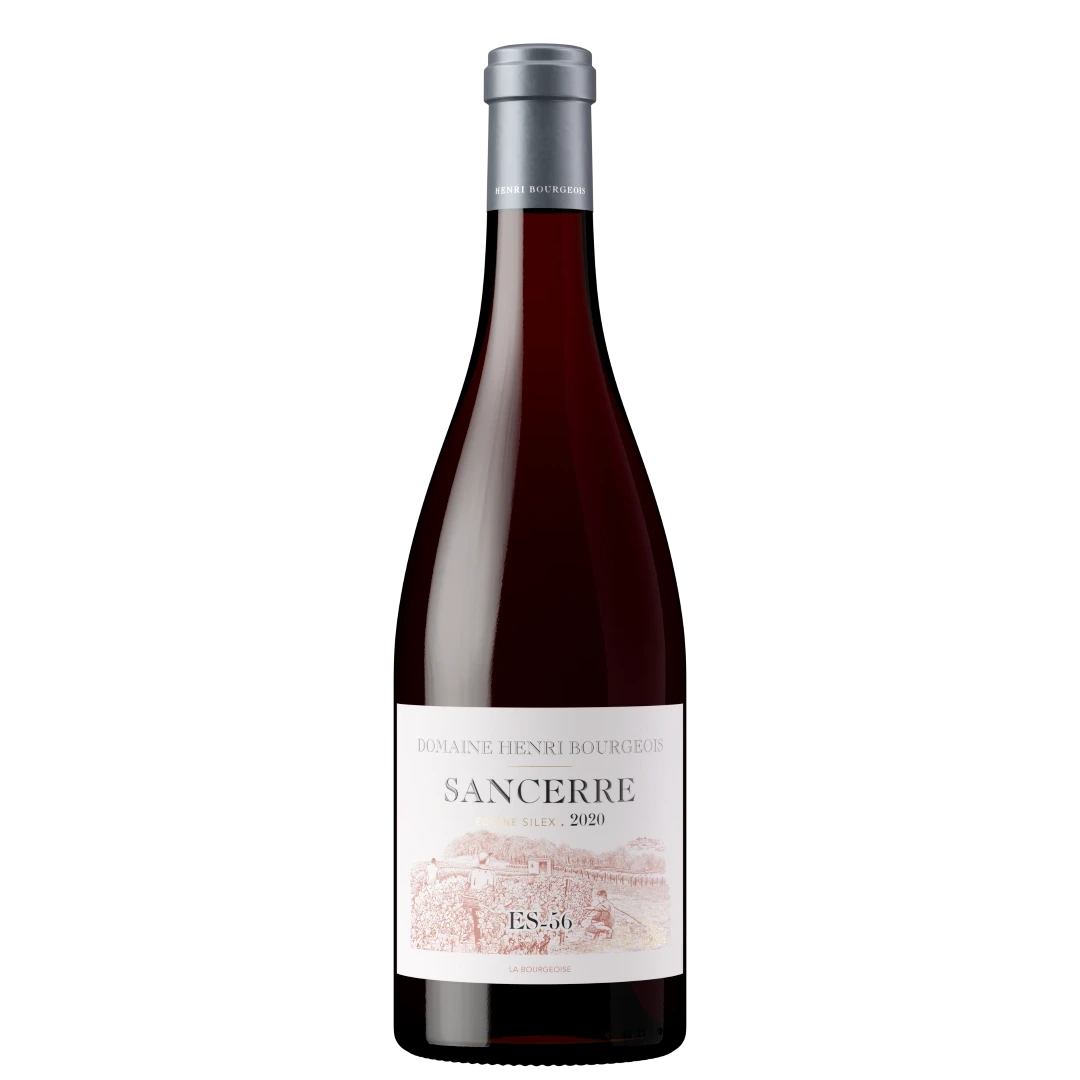
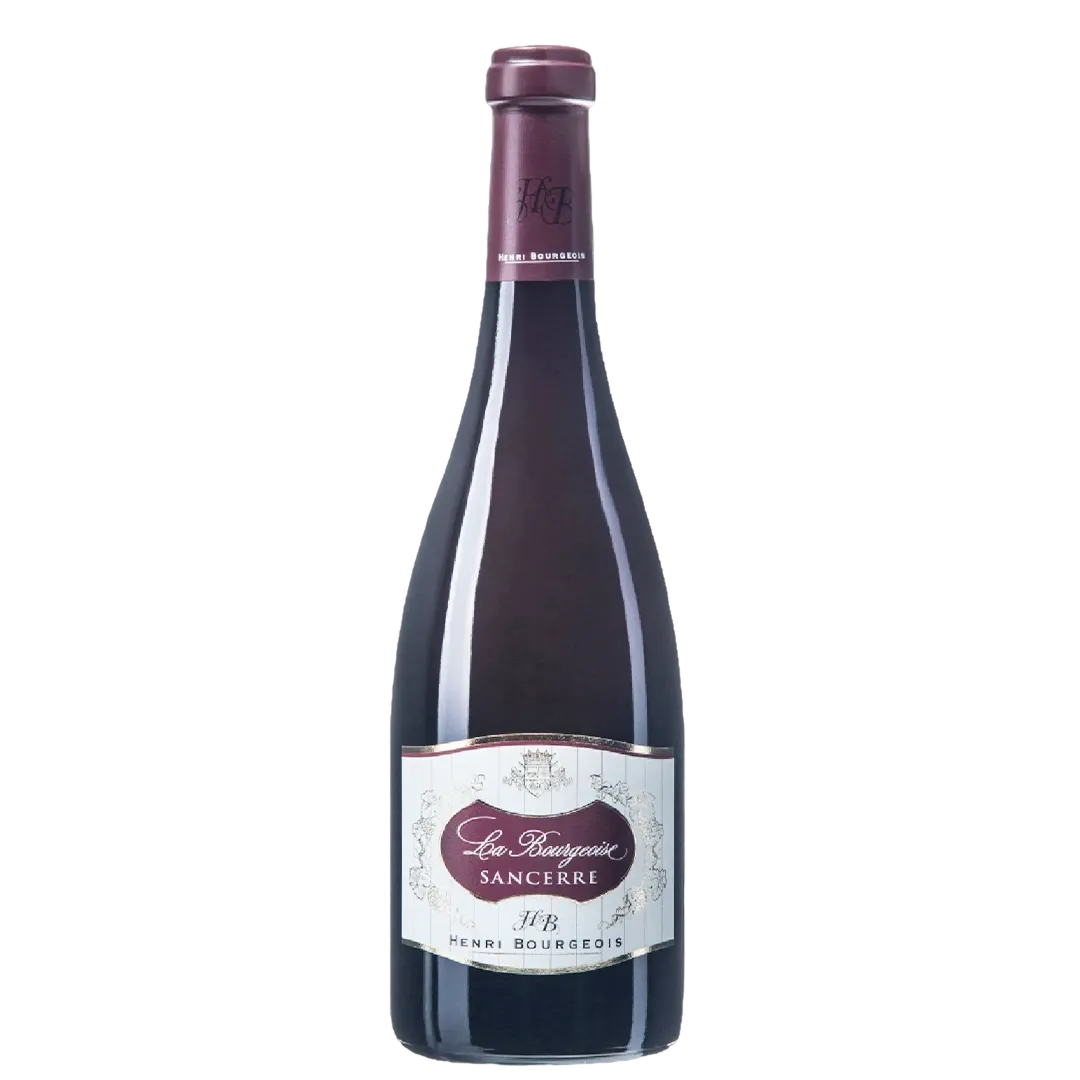
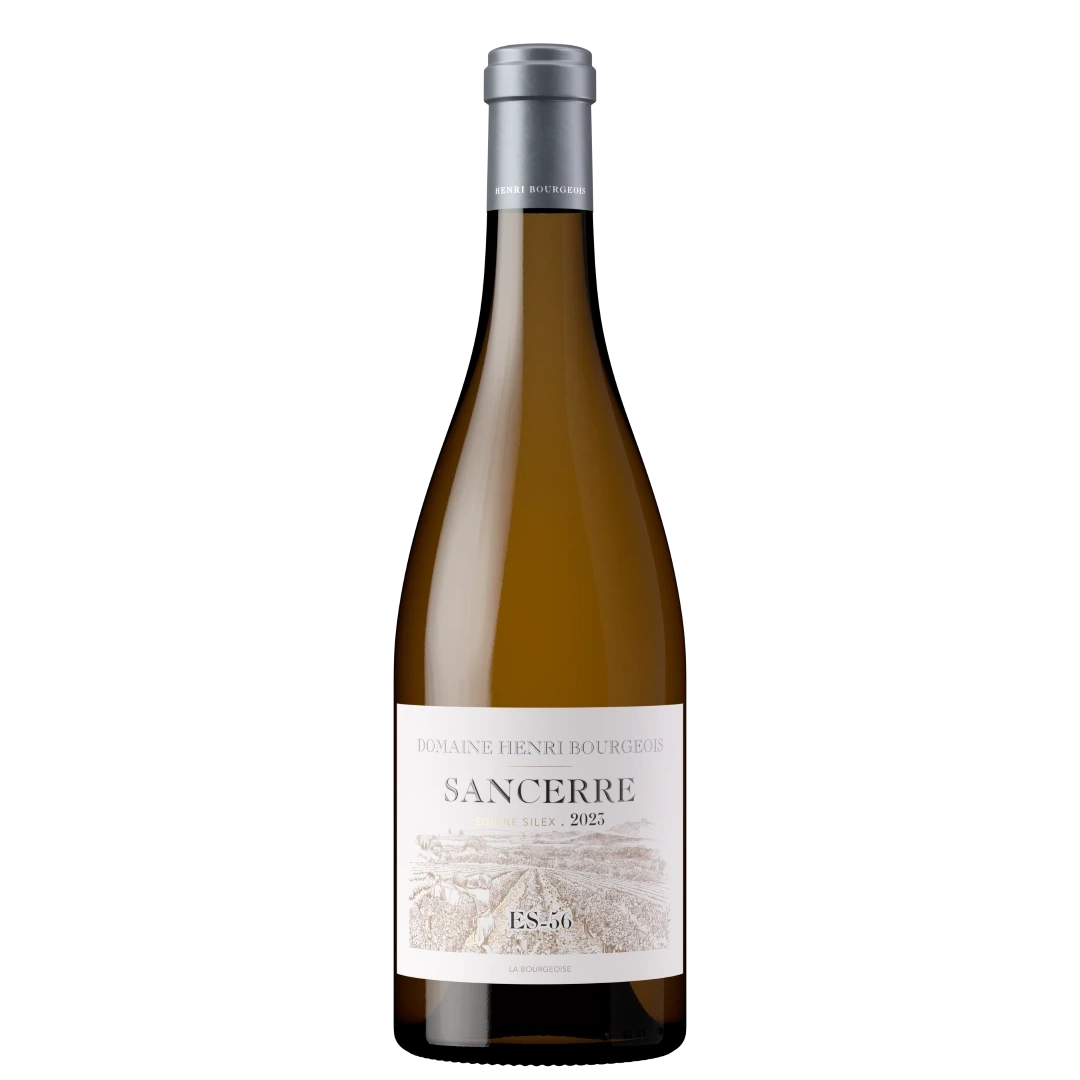

Few appellations as compact (less than 3,000 hectares) bring together such geological diversity. This explains why two Sancerre whites can have such different profiles, while sharing the same grape variety and often the same winemaker.
This mosaic of soils, gathered within a few kilometers of Sancerre, is among the most studied in the entire Loire by both geologists and winemakers — a true observation ground for anyone who wants to understand the link between soil and wine style.
Approximately 100 to 150 million years ago, the Sancerre region was covered by a shallow sea. As it receded, it left successive marine deposits—limestone, marl, then flint—which today form the three main soil families of the appellation. Understanding this history means understanding why the wine changes character from one plot to another.
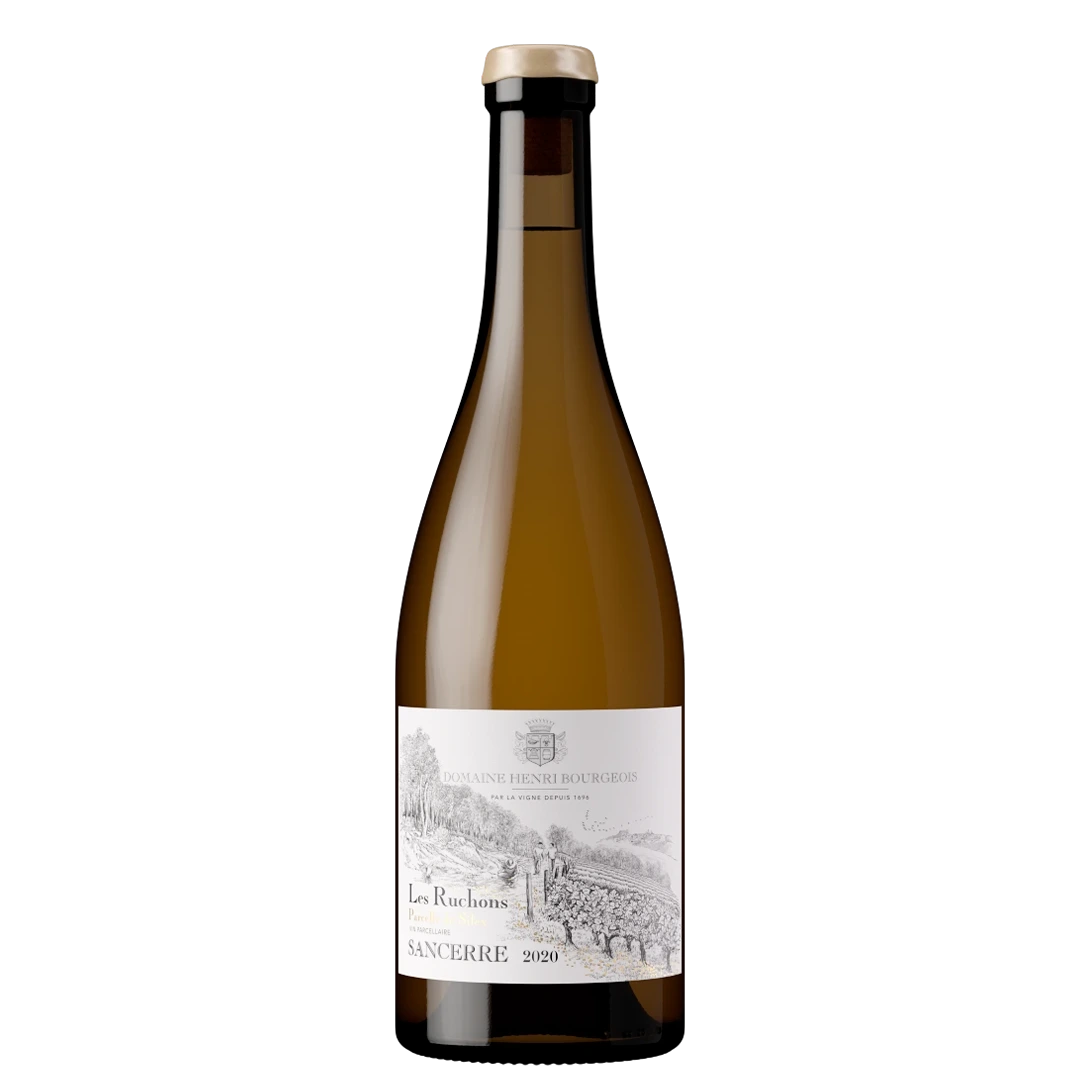
Understanding a terroir is not enough: it also needs to be respected in the vineyard and the cellar. We vinify each plot separately, using methods adapted to what the soil provides — not to erase its differences, but to reveal them. It is this plot-by-plot approach, more demanding than systematic blending, that allows cuvées like "Le Cotelin" or "Les Ruchons" to exist as such.
This also explains why, for an equivalent surface area, Sancerre can offer a range of styles that no other Sauvignon Blanc appellation in the world can claim with the same geological legitimacy.
| Tasting | Terroir |
|---|---|
| A zesty and round attack | Probably from Caillottes |
| A saline tension on the finish | Probably from Terres Blanches |
| A smoky note, almost like struck flint | Most likely from Silex |
FAQ
Can one guess the terroir just by tasting a Sancerre?
With training, yes, to a large extent: minerality, texture, and length provide fairly reliable clues. But blending several plots can obscure the picture—which is why single-plot cuvées are the best for learning.
Can the same winemaker vinify the three terroirs differently?
We prefer to vinify each plot separately and respect what the soil gives us, rather than imposing a style. It is this philosophy that allows our single-plot cuvées to retain their distinctive character.
Which terroir should I choose to start discovering Sancerre?
Calcareous clays, with a cuvée such as "Grande Réserve", are the most natural starting point. Once this style is understood, the Kimmeridgian marls and then the flint progressively reveal the full diversity of the appellation.
Is Sancerre flint the same as Pouilly-Fumé flint?
Geologically similar, yes, but present in different proportions. In Pouilly-Fumé, flint dominates a larger part of the vineyard, which gives a more consistently smoky style than in Sancerre, where it represents the rarest of the three terroirs.

A Bourgeois Family Recipe: Salmon en Bellevue

Which dry white wine is best for an aperitif? Our tips and selection

The 3 Terroirs of Sancerre: Flint, Caillottes, and White Soil