
Choosing your wine
How to Choose a Wine for Aging?


How to Choose a Wine for Aging?
An aging wine is not necessarily an expensive or well-known wine. It is a wine that has the structure to evolve favorably over time — one that will be better in 5, 10, or 15 years than it is today.
Understanding why one wine can be aged — and another cannot — involves understanding a few simple principles of chemistry and terroir. You don't need to be an expert: you just need to know what to look for on the label and in the glass.
Acidity is the primary guarantor of a wine's aging potential. It protects the wine from oxidation, allows it to remain fresh and lively over time, and structures its aromatic evolution.
A wine without acidity — too soft, too flat — will age poorly. It will become heavy, oxidative, and uninteresting. A wine with good natural acidity — like our Sancerre whites from flint or Kimmeridgian marl soils — can evolve over 10 to 15 years, developing remarkable complexity.
This is why Loire wines, and Sancerre in particular, are among France's most interesting age-worthy whites: their natural acidity is structurally high.
For red wines, it is tannins that guarantee aging. They bind to proteins in meat at the table, but also to aromatic molecules in the wine — creating complex aromas that are gradually released over the years.
For white wines, it is the mouthfeel — the concentration of the grape, the richness of the vintage, the aging process — that allows for cellaring. A lean, light white does not have the necessary substance to evolve.
Great age-worthy wines almost always come from great terroirs. Not out of snobbery — but because certain soils transmit a minerality and complexity to the wine that reveal themselves with time.
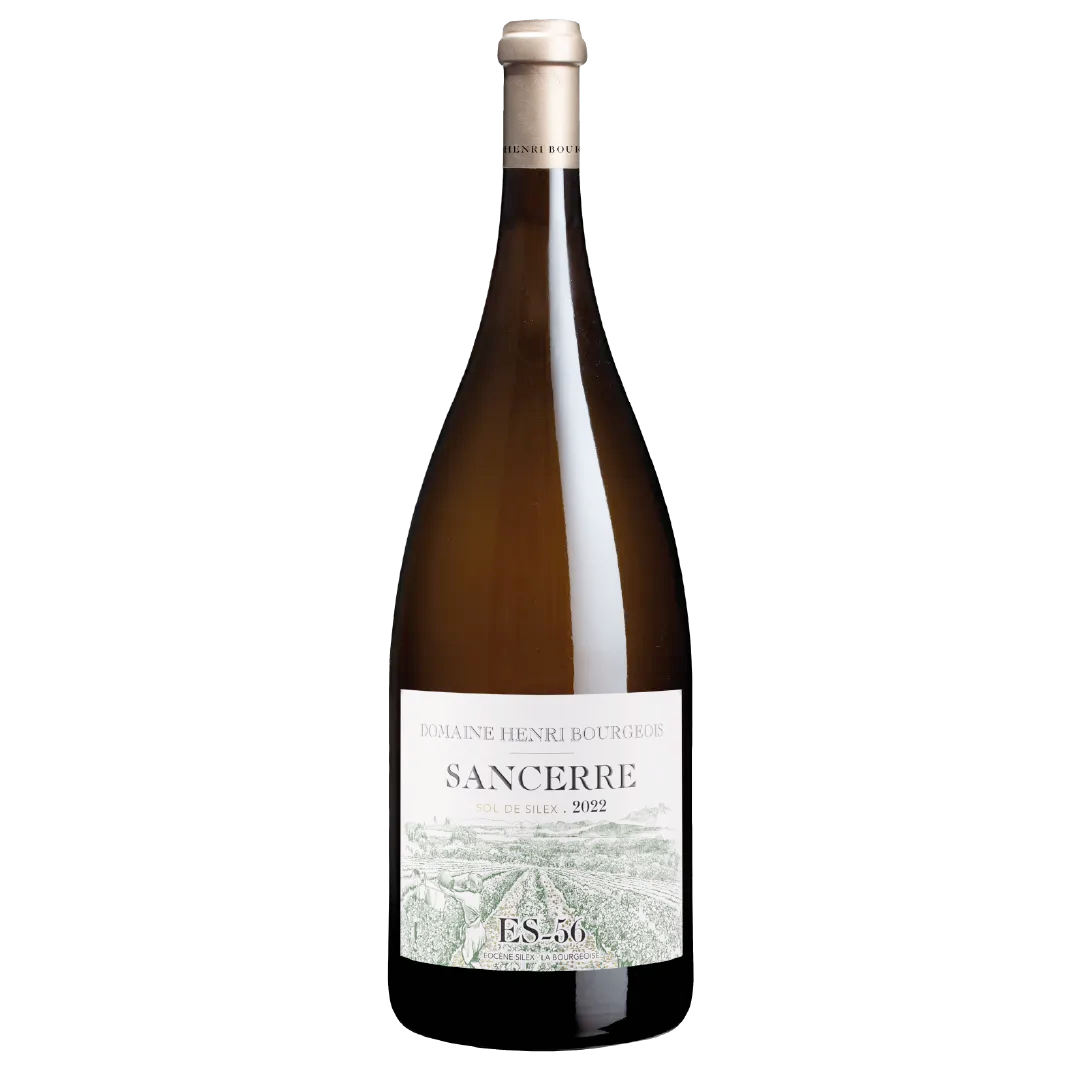
In Sancerre, flint and Kimmeridgian marl soils produce wines that often close down in their youth and gradually open up. Our "ES-56" from flint can seem austere at 2 years old — and reveal exceptional complexity at 8 years. Terroir is the promise; time is the realization.
A great terroir is not enough if the climatic year was not favorable. Cool vintages, with slow ripening and preserved acidity, generally yield the best age-worthy wines. Very hot vintages often produce wines that are delicious when young, but do not last as long.
| Cuvée | Terroir | Ideal drinking window | What changes with age |
|---|---|---|---|
| "Grande Réserve white" | Calcareous clay | 2–5 years | Opens quickly, more enveloping fruit |
| "La Côte des Monts Damnés" | Kimmeridgian marl | 4–8 years | Exotic notes, saline length, complexity |
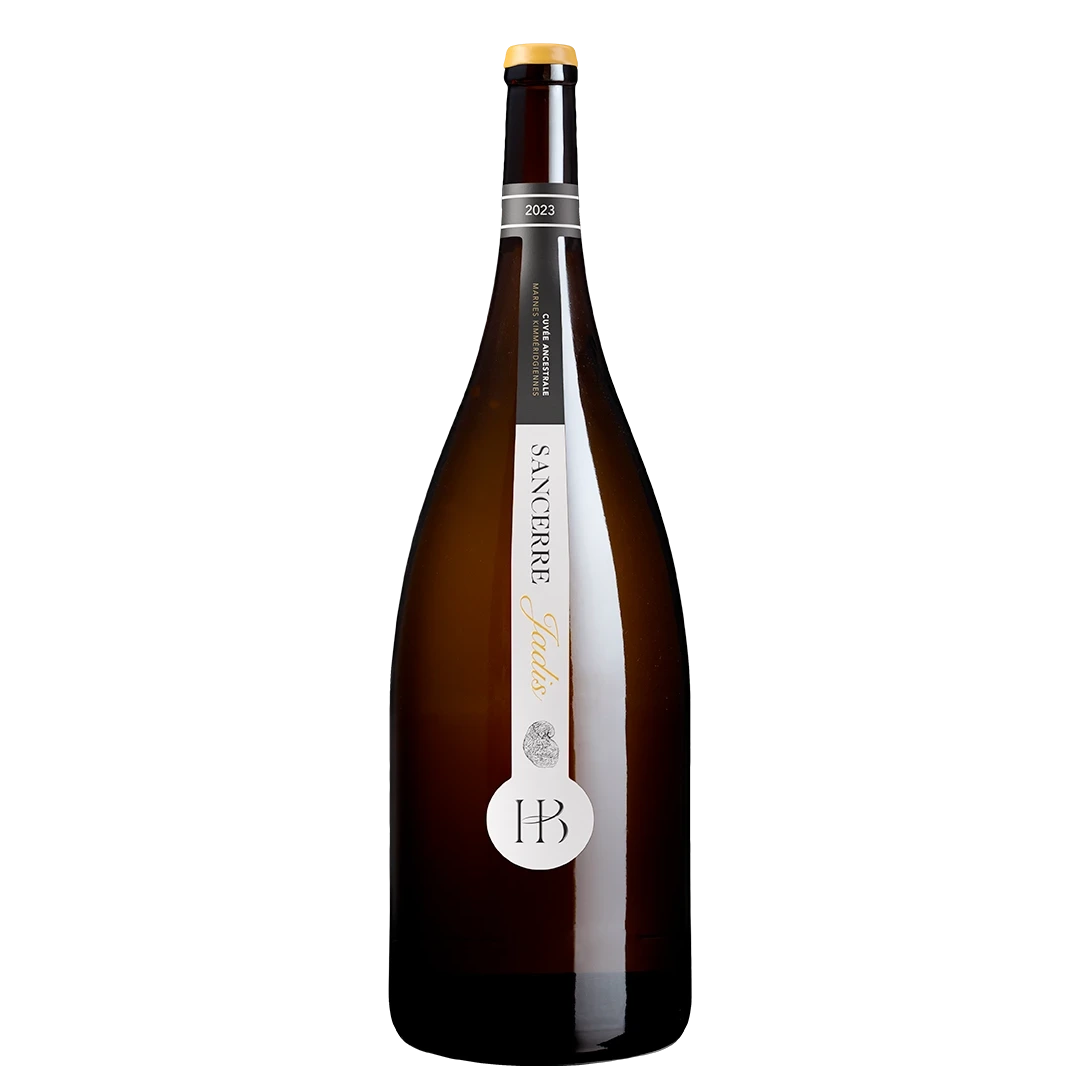
| "Jadis" | Kimmeridgian marl | 5–10 years | Depth, notes of honey and iodine, long finish |
| "ES-56" white | Flint | 6–12 years | Smoky minerality, spices, electric tension |
| "d'Antan" | Flint | 5–10 years | Notes of linden, hazelnut, fine woody complexity |
| "Les Ruchons" | Flint | 6–12 years | Ripe citrus, caramel, gunflint |
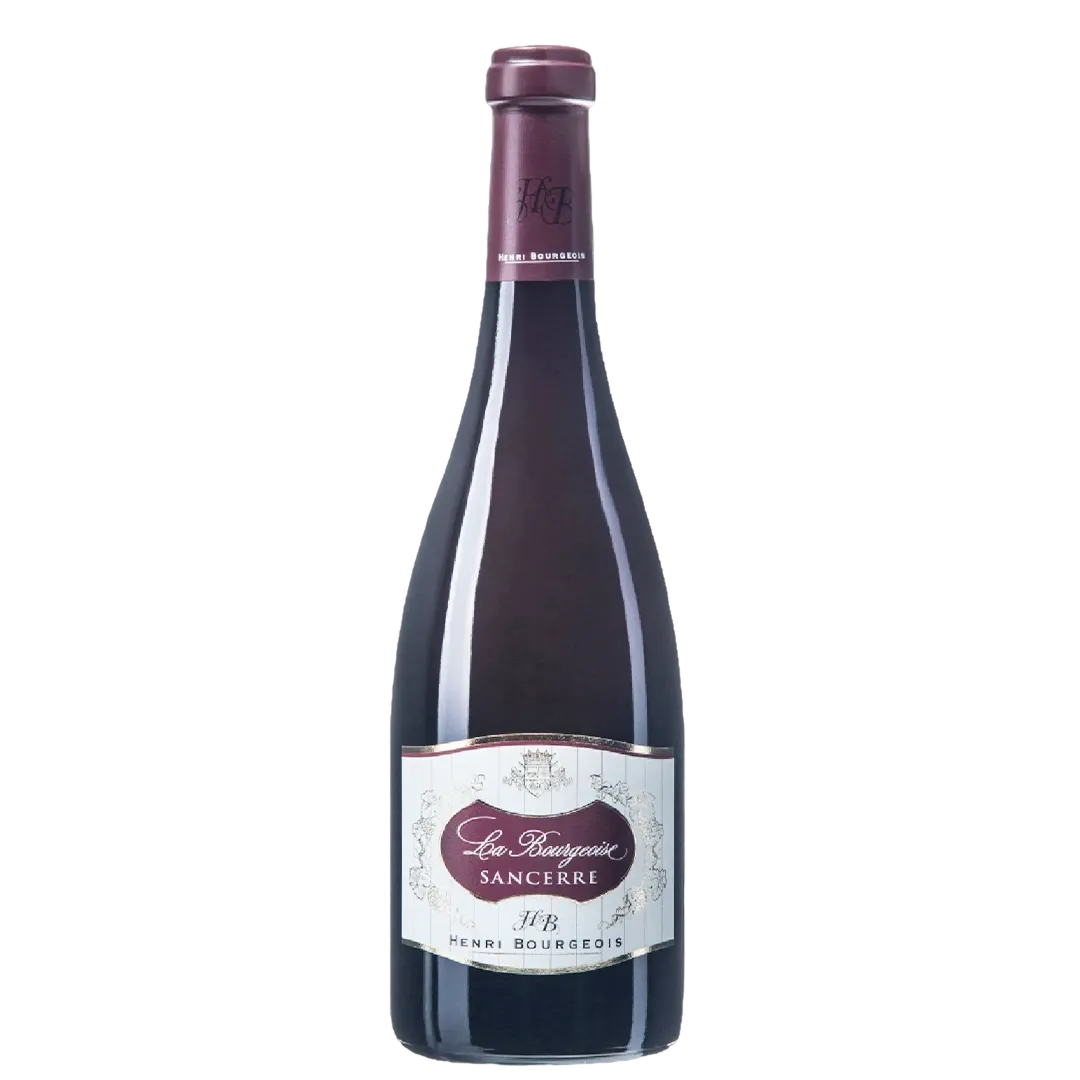
| "Le Graveron" red | Kimmeridgian marl | 5–10 years | Candied black fruits, chocolate, silky tannins |
| "ES-56" red | Flint | 6–12 years | Concentration, very ripe fruits, persistent structure |
An expensive wine is not necessarily a wine for aging. An expensive wine that lacks acidity or structure will not age well. Price reflects rarity or reputation, not always aging potential.
An age-worthy wine is not necessarily better when opened early. Many age-worthy wines are disappointing in their youth—closed, austere, unexpressive. This is precisely a sign that they need time.
An old wine is not necessarily at its peak. Once past its peak, an age-worthy wine becomes flat, oxidized, and uninteresting. The drinking window has an end, not just a beginning.
The peak is when the wine expresses the best balance between its youth (fruit, freshness) and its evolution (complexity, depth). The most reliable sign: open a bottle of the same cuvée and vintage every 2 to 3 years — you will see the evolution in real time.
For our wines, we indicate the recommended drinking windows on our product sheets. These are ranges, not absolute rules — vintage, storage conditions, and personal preferences influence the ideal time.
Practical advice: always buy at least 3 bottles of a wine you want to age — open one at 3 years, one at 6 years, and one at 10 years. You will learn more about wine by following it over time than by reading all the guides in the world.

FAQ
Can white wines really be kept as long as reds?
For high-end wines, yes. Our flint Sancerre whites ("ES-56", "d'Antan", "Les Ruchons") can age for 10 to 15 years in great vintages. Great white Burgundies (Meursault, Montrachet) can go beyond 20 years. The idea that white wines don't keep comes from entry-level wines — not from great terroir wines.
Which vintage should I buy for aging?
For wines to be cellared, choose fresh, taut vintages with high natural acidity. In Sancerre, years like 2016, 2019, or 2021 are renowned for their aging potential. Very hot vintages produce delicious wines when young, but they don't age as well in the long term.
Can a white Sancerre be kept for 10 years?
For the great single-vineyard cuvées — "ES-56", "d'Antan", "Jadis", "Les Ruchons" — yes, without hesitation for the great vintages. For "Grande Réserve," the ideal window is rather 3 to 5 years. It all depends on the cuvée and the vintage — consult our product sheets for specific recommendations.

A Bourgeois Family Recipe: Salmon en Bellevue

Which dry white wine is best for an aperitif? Our tips and selection

The 3 Terroirs of Sancerre: Flint, Caillottes, and White Soil