
Choosing your wine
Sancerre vs Pouilly-Fumé: What's the Difference?


Sancerre vs Pouilly-Fumé: What's the Difference?
This is the question we're asked most often at our tastings, and rightly so: two appellations separated by the Loire, the same grape variety (Sauvignon Blanc), similar prices, bottles that look alike. And yet — in the glass, the difference is real, and fascinating.
We make wines on both sides of the Loire. This comparison isn't a local rivalry: it's an honest look at two different expressions of the same great Loire grape, based on what we have observed in our vines and in our glasses for decades.
This is where it all begins. Beneath the surface, the two appellations are very different.
Sancerre rests on three major soil families, each giving a distinct expression of Sauvignon Blanc:
This geological diversity makes Sancerre an appellation that rewards close reading — every parcel has its own voice.
Pouilly-Fumé is also crossed by varied geology — flint, limestone, white clay — but tasters often perceive its geological reading as more homogeneous. Flint tends to be more present there, which explains the predominance of smoky, mineral notes in the appellation's wines.
Pouilly-Fumé's surface area (around 1,400 hectares) is smaller than Sancerre's (around 2,900 hectares), which contributes to a relatively consistent style.


| Criterion | Sancerre | Pouilly-Fumé |
|---|---|---|
| Overall style | Wide diversity depending on terroir | More homogeneous, smoky notes dominant |
| Tension / acidity | Bright to very bright | Bright, often slightly less taut |
| Minerality | Variable: chalky / smoky / deep | Often smoky, stony |
| Length | Excellent potential | Excellent potential |
| Ageing | 5–15 years on great cuvées | 5–12 years depending on producer |
| Surface area | ~2,900 ha | ~1,400 ha |
| Grape varieties | Sauvignon Blanc + Pinot Noir | Sauvignon Blanc only |
A bright, taut white Sancerre (limestone terroir, recent vintage) — approachable, precise, versatile. Our "Grande Réserve" is perfect for this.
A white Sancerre from marl soils, or a Pouilly-Fumé with a bit more body. Both work well; Pouilly-Fumé is often slightly rounder.
A great Sancerre cuvée ("La Côte des Monts Damnés", "ES-56"): Sancerre's age-worthy wines have a complexity and depth that often make more of an impression than everyday vintages.
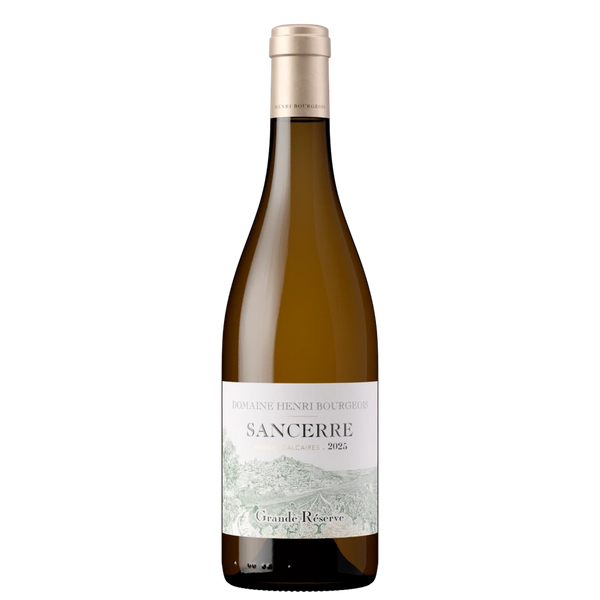

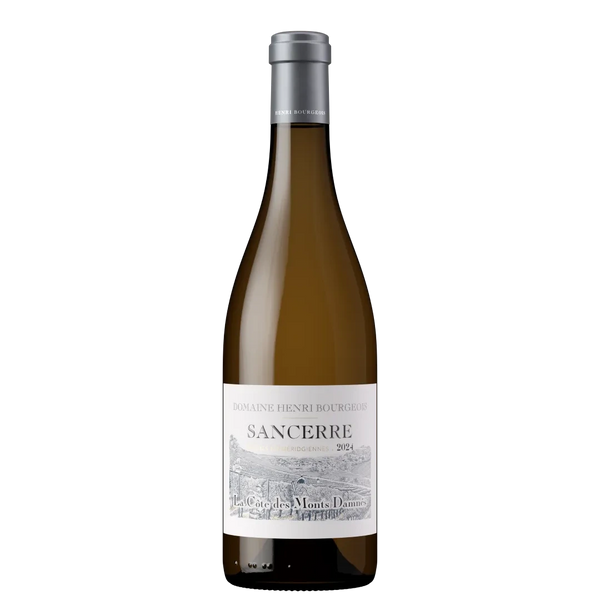
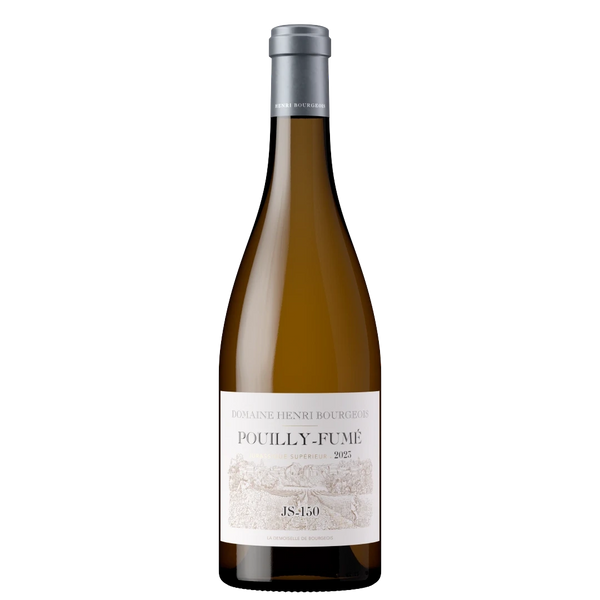
Buy one bottle of each and taste them side by side over the same meal. It's the best way to understand the difference — and the result is often surprising.
FAQ
Is Sancerre more expensive than Pouilly-Fumé?
Generally, both appellations sit at similar levels for entry-level wines. Sancerre's great single-parcel cuvées can reach high prices due to the rarity of flint or marl terroirs. Pouilly-Fumé has fewer distinct top-tier cuvées, but its leading producers are valued at comparable levels.
Can you visit both appellations in the same weekend?
Yes, easily. Sancerre and Pouilly-sur-Loire are about fifteen kilometres apart, crossing the Loire included. A weekend is enough to visit both banks and understand, first-hand, why these wines differ.
Which one ages better?
The great white Sancerres ("ES-56", "La Côte des Monts Damnés") have exceptional ageing potential — 10 to 15 years on the great vintages. Pouilly-Fumé ages well too, but generally develops less complexity over the very long term.

A Bourgeois Family Recipe: Salmon en Bellevue

Which dry white wine is best for an aperitif? Our tips and selection

The 3 Terroirs of Sancerre: Flint, Caillottes, and White Soil