
Choosing your wine
Wine vintage: why does it change everything?


Wine vintage: why does it change everything?
The vintage is the year printed on the label. And that year is not just a number for sorting bottles: it is the climatic story of an entire season, engraved into the wine.
At Domaine Henri Bourgeois, we vinify the same grape variety, on the same plots, using the same methods, generation after generation — and yet our wines are never quite the same from one year to the next. That is the vintage.
A vintage is the year in which the grapes were harvested. All bottles of a given wine carrying the same vintage were made from grapes picked in that same year.
Unlike most food products, where consistency is the goal, wine is closely tied to the weather of each growing season. The vine reacts to temperature, sunshine, rainfall and frost — and that reaction ends up in the glass.
This is what makes wine so fascinating for serious wine lovers: each vintage is a fresh interpretation of the same terroir.
Every year, the vine goes through precise stages: bud break, flowering, fruit set, véraison (the grapes changing colour), ripening, and harvest.
The date on which each stage occurs, and the weather that accompanies it, directly shapes the quality and style of the grapes that are picked.
The Four Key Factors
A season with mild summers, cool nights and slow ripening allows the grapes to reach maturity while keeping high acidity. The wine is taut, precise and mineral.
These vintages are often the most rewarding in the long run. Acidity is what guarantees good ageing — it gives the wine its structure and lets it evolve favourably for years.
Typical style: notes of lime and green apple, a very distinct chalky or smoky minerality, and a long, mouth-watering finish.
A season with a hot, dry summer and fast ripening gives grapes with more sugar, more generous aromas and more moderate acidity.
These vintages produce round, expressive wines that are often approachable earlier. They are immediately seductive, but generally age less well than cooler vintages.
Typical style: notes of white peach and apricot, floral aromas, a broad palate, and a warm finish.
The ideal combination: enough sun to reach ripeness, plus cool nights to preserve acidity. The grapes reach maturity in the best possible conditions.
These vintages often produce the most complete wines — approachable young AND capable of ageing. It is every winemaker's holy grail.
The basic rule: the more structured and age-worthy the wine, the more the vintage matters. For an everyday wine meant to be drunk within the year, the vintage makes little difference. For a great cuvée built to age, it is essential.
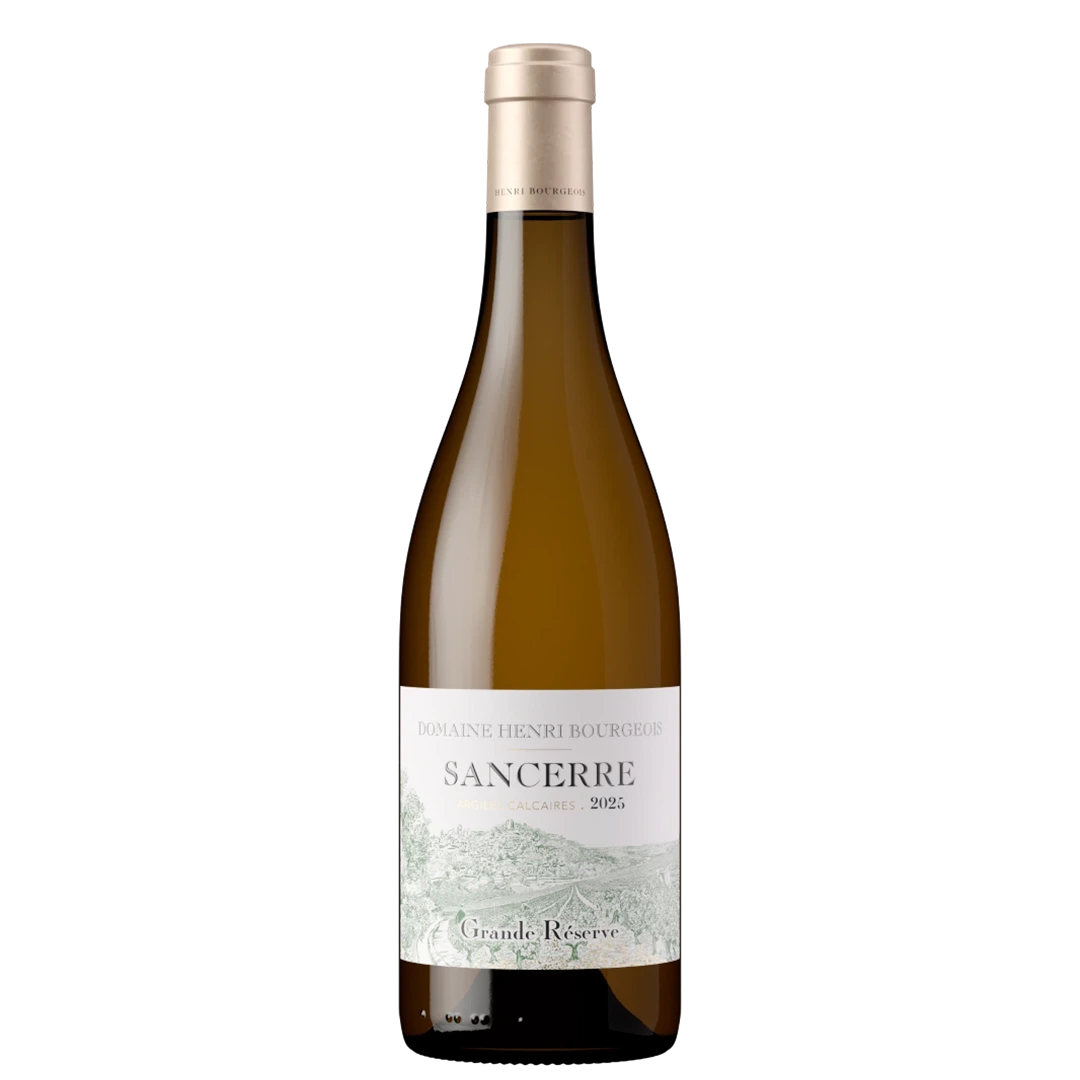
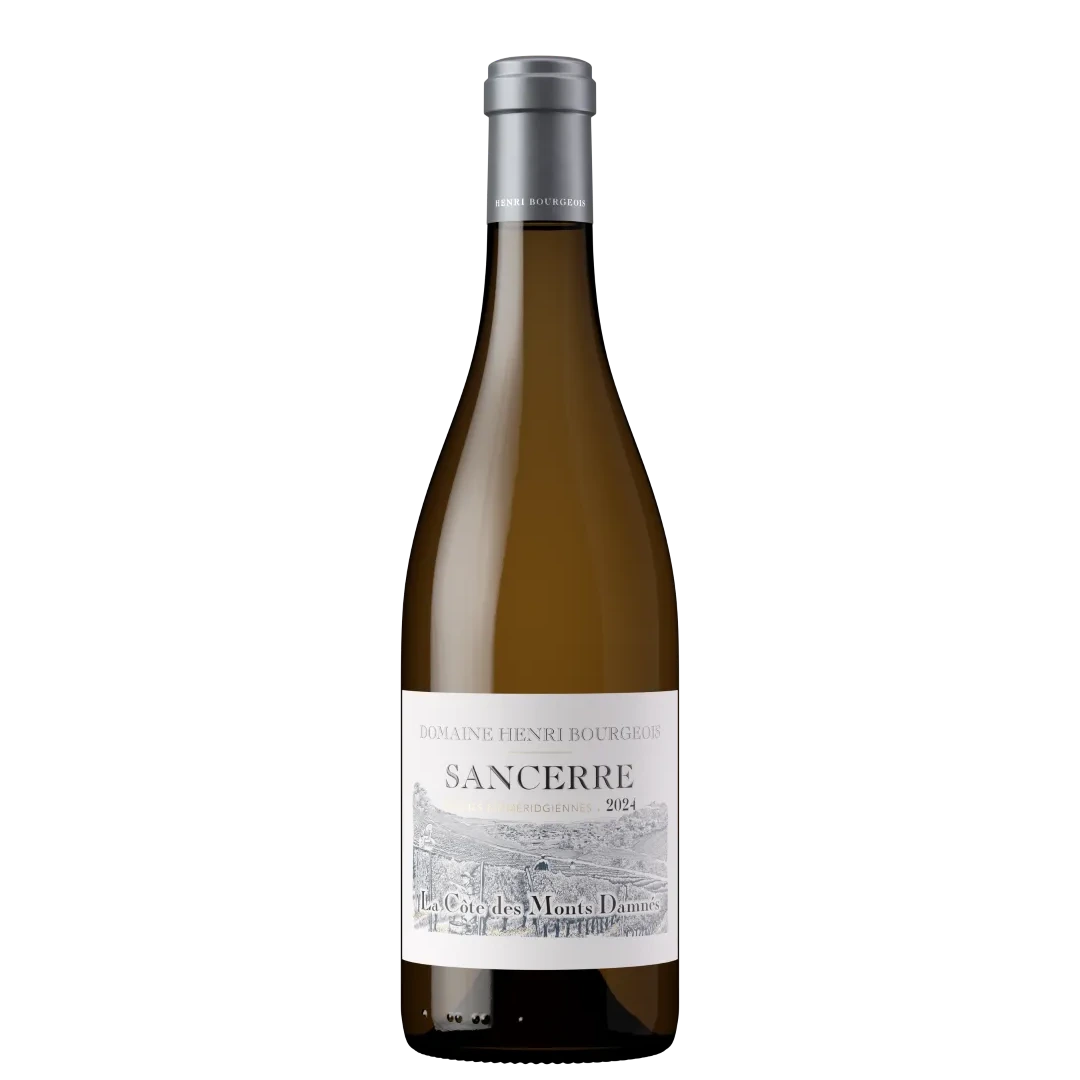
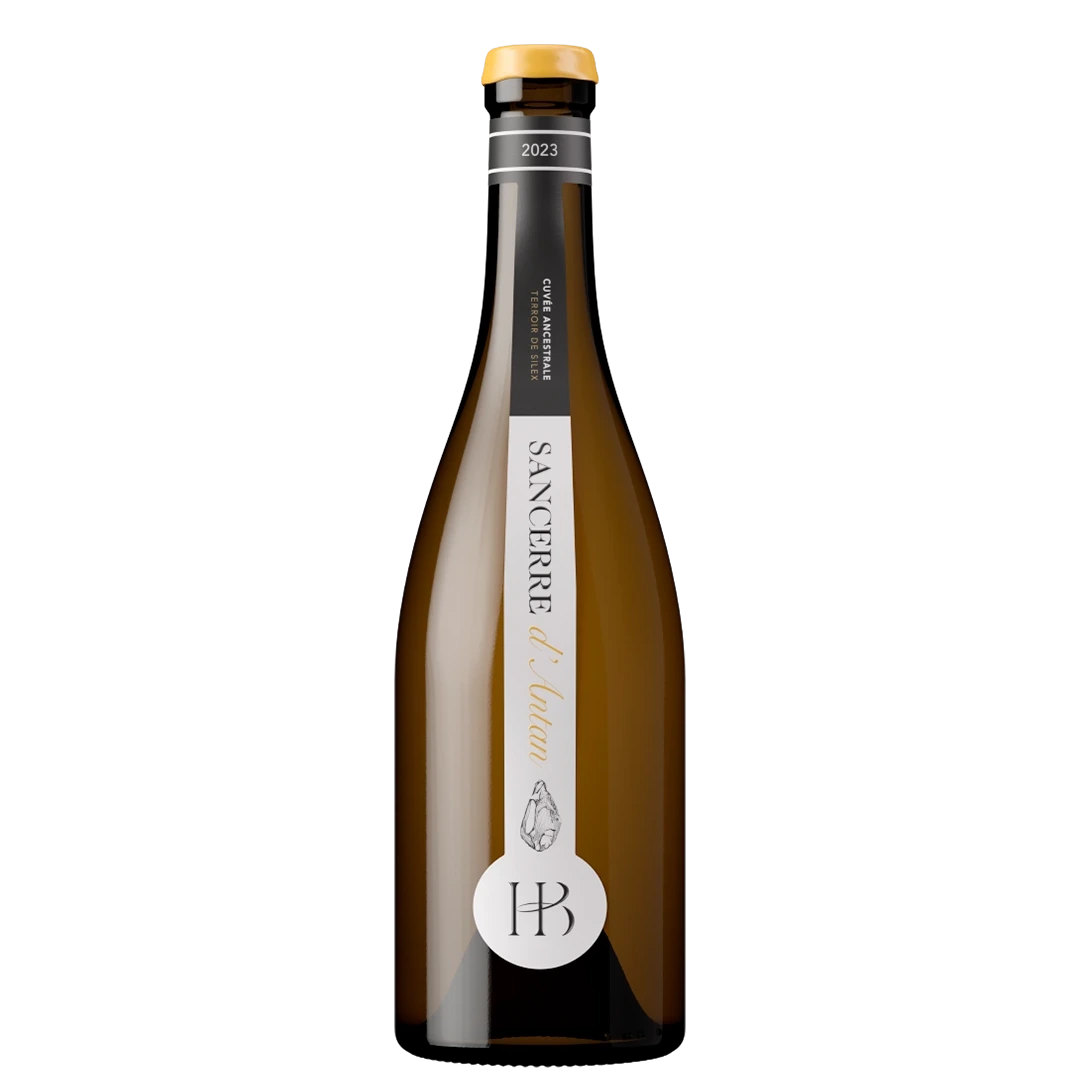
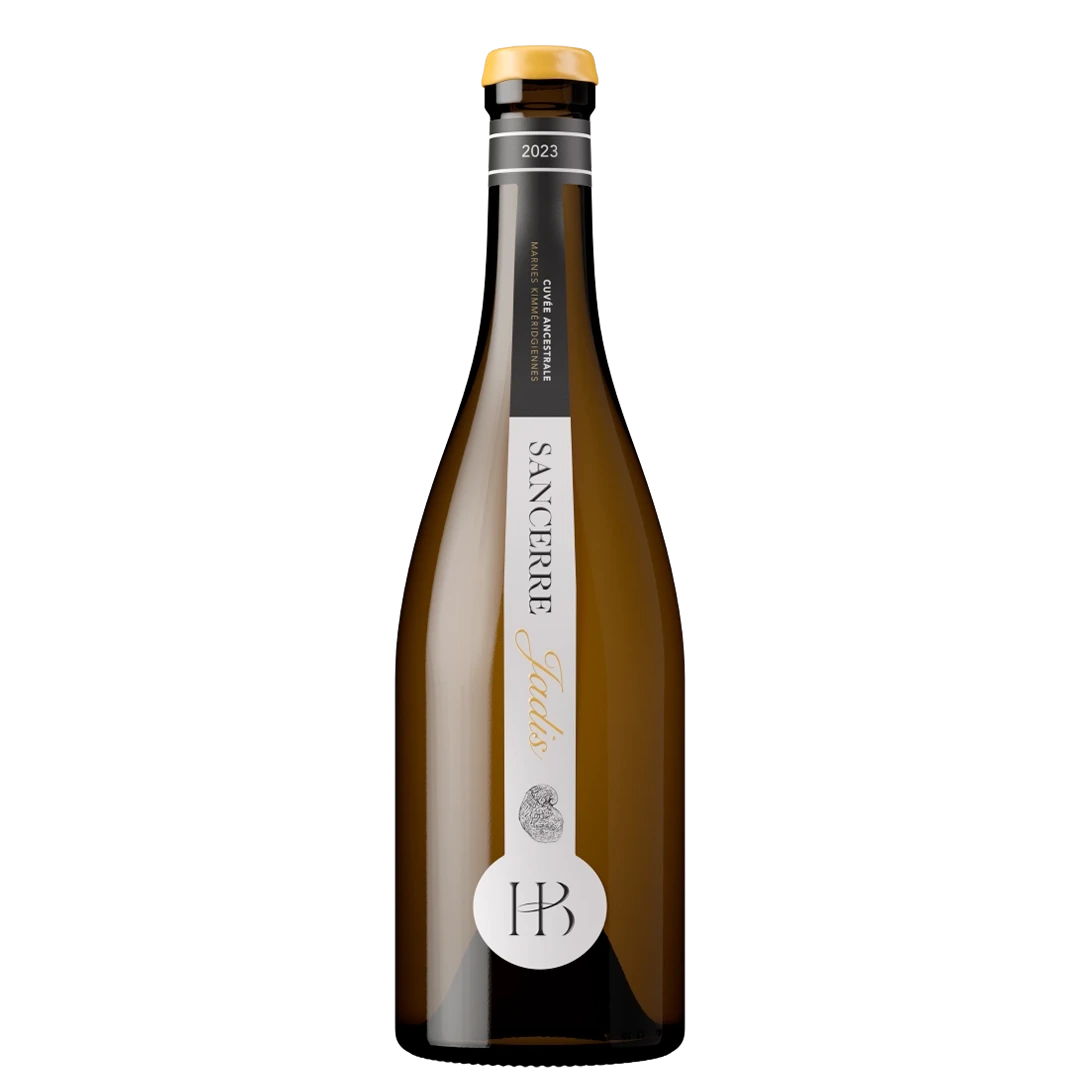
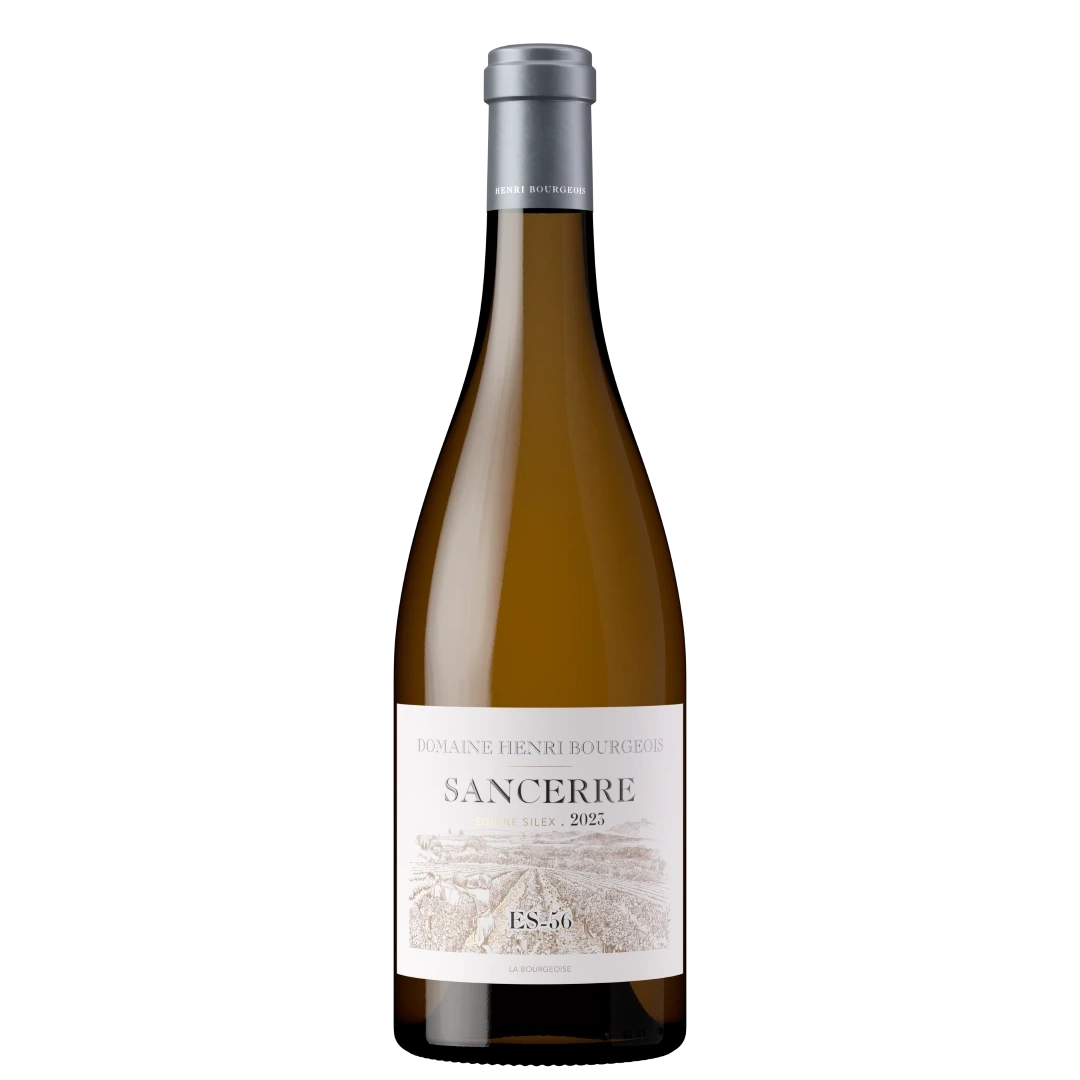
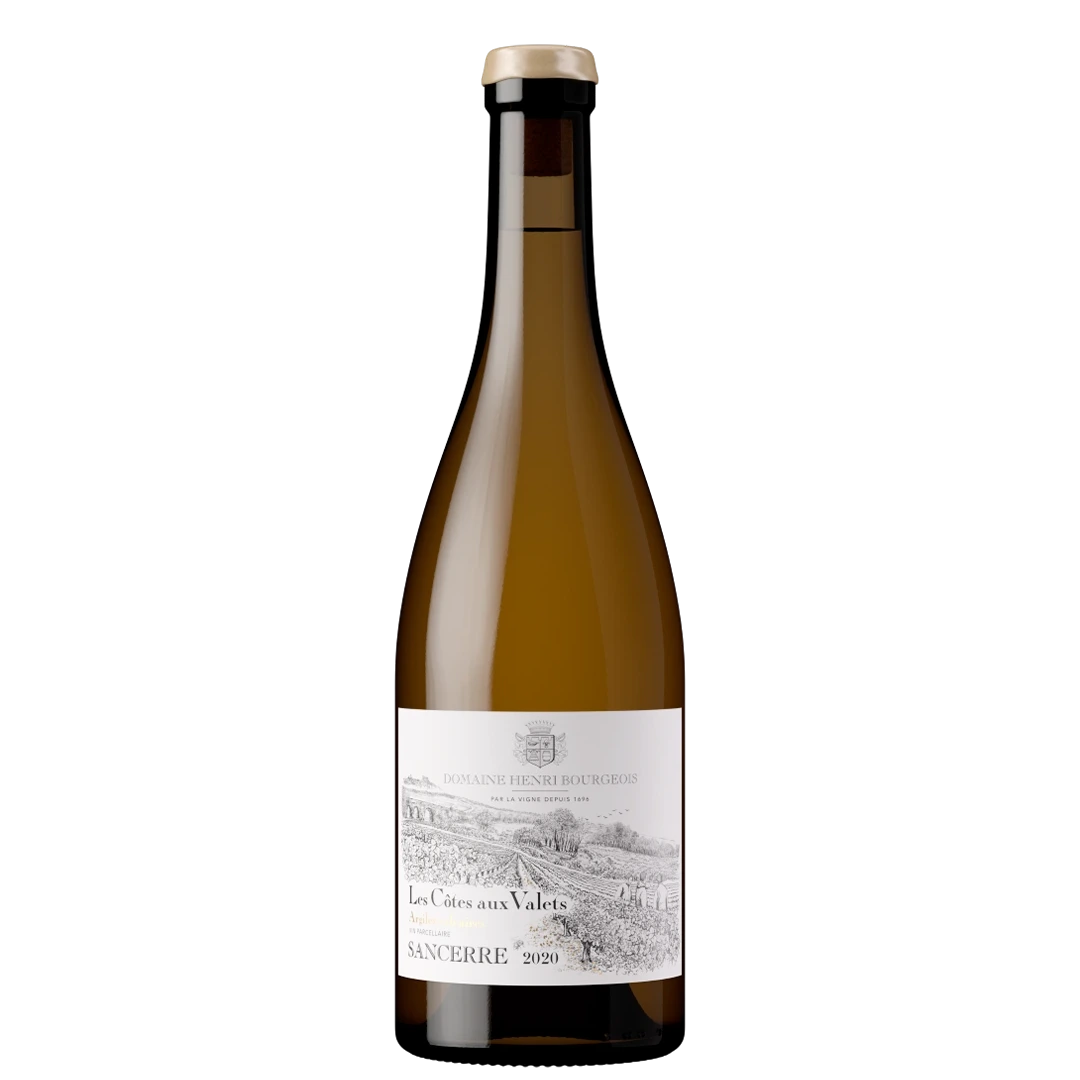
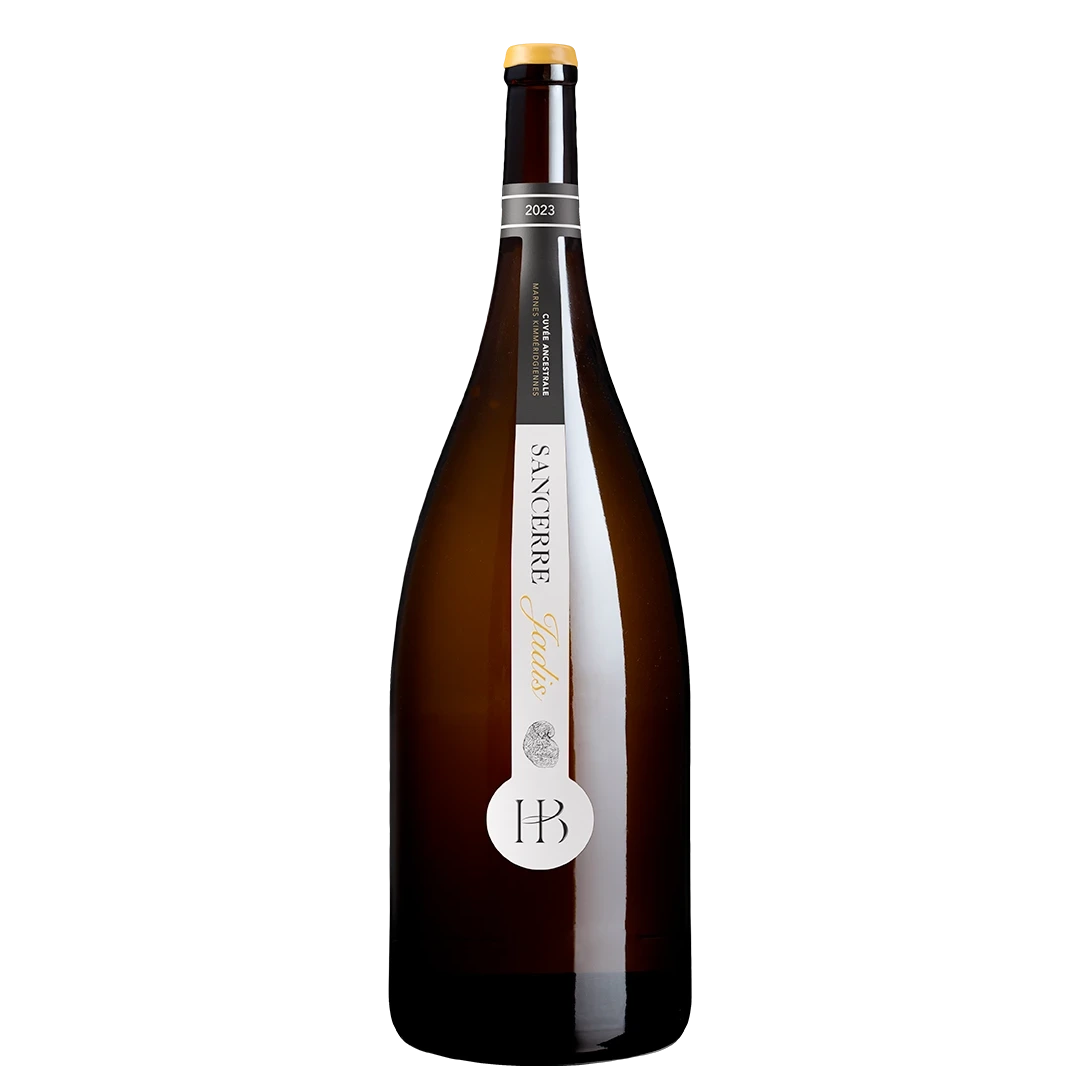
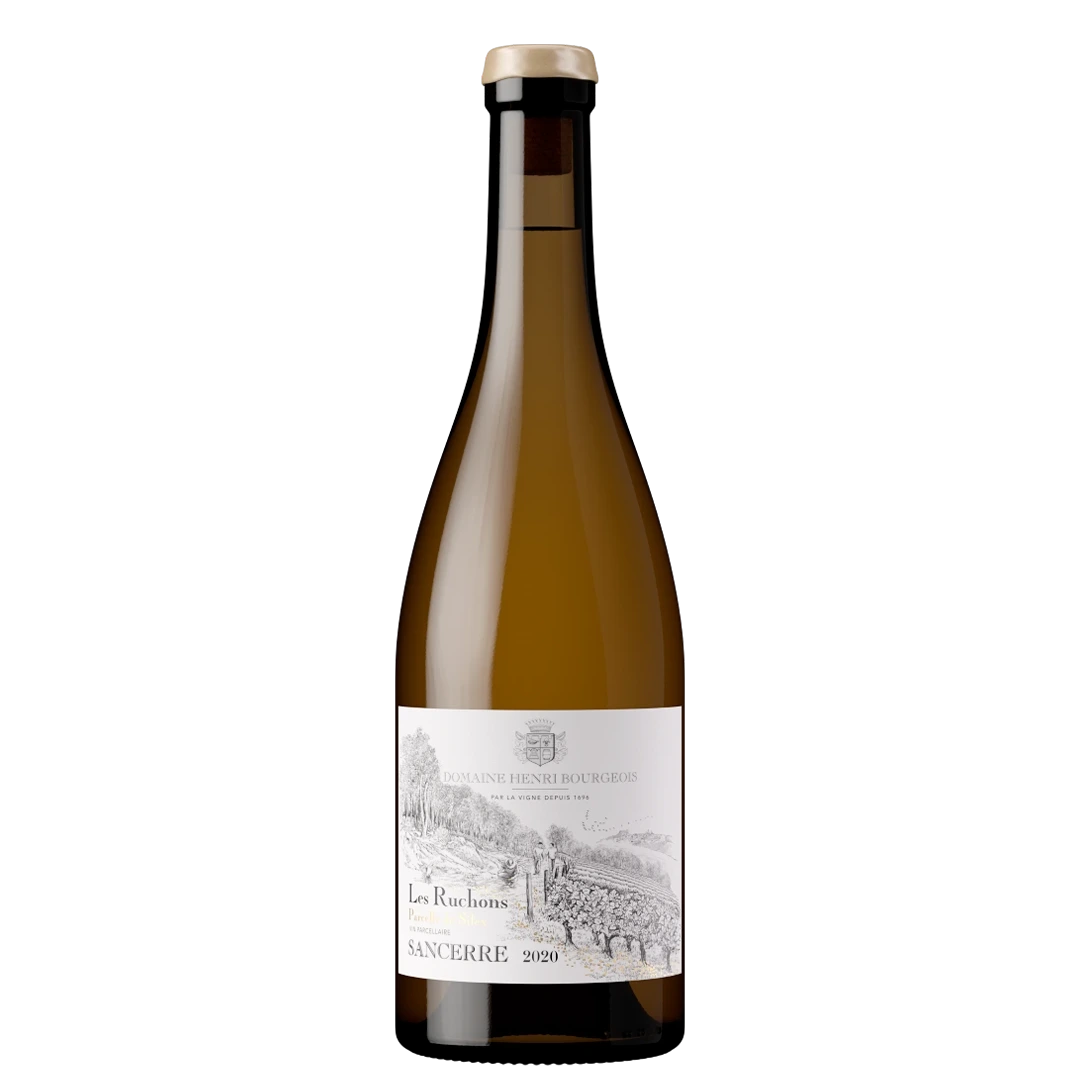
For our wines at Domaine Henri Bourgeois:
Tip: if you buy several bottles of the same wine, open one every 2–3 years to follow how it evolves. It's the best way to understand how a vintage develops over time.
FAQ
Is an older vintage always better?
No. An older vintage is only better if the wine had the potential to age well in the first place. A wine designed to be drunk young, but kept for too long, is often disappointing. The key is knowing each wine's ageing potential.
How do you know if a wine is at its peak?
The peak is the moment when a wine shows the best balance between youth (fruit, freshness) and evolution (complexity, depth). For our great cuvées, we indicate the recommended drinking window on our wine sheets.
Can a difficult vintage still produce a good wine?
Yes — and it is often the mark of a great estate. An experienced winemaker can get the best out of a difficult year thanks to a deep knowledge of the plots and careful winemaking choices. The vintage sets the framework; the winemaker decides what to make of it.

A Bourgeois Family Recipe: Salmon en Bellevue

Which dry white wine is best for an aperitif? Our tips and selection

The 3 Terroirs of Sancerre: Flint, Caillottes, and White Soil