
Choosing your wine
How to Build a Wine Cellar?


How to Build a Wine Cellar?
Building a wine cellar is far more than filling racks with bottles. It means putting together a coherent, living selection that reflects your tastes, the moments in your life, and your relationship with time.
The question comes up often: where do you start? How many bottles? Do you need to spend a lot? How much room should aging wines take up? This guide answers all of these questions, using the approach we have practiced in Sancerre since 1696: observe the wines, understand the terroirs, and choose with intention.
Before choosing a single bottle, ask yourself this question: what is my cellar for?
Your answer determines everything: the types of wine you will buy, your budget, and your rhythm of buying and drinking. A cellar too focused on aging can become frustrating if you never have anything to open tonight. A cellar that is 100% about immediate pleasure lacks depth and perspective.

Between 12 and 24 well-chosen, varied bottles make a solid starter cellar. You do not need 200 bottles to have a beautiful cellar — it is coherence that matters, not volume.
The breakdown we recommend:
To start with Sancerre wines, we suggest: 3 bottles of white Sancerre "Grande Réserve" for everyday drinking, 3 bottles of a Centre-Loire red or rosé for versatility, and 3 bottles of "La Côte des Monts Damnés" or "ES-56" to lay down for 5–8 years, plus a selection of 3 bottles of our single-vineyard whites or reds for special occasions. Twelve bottles, one coherent cellar.
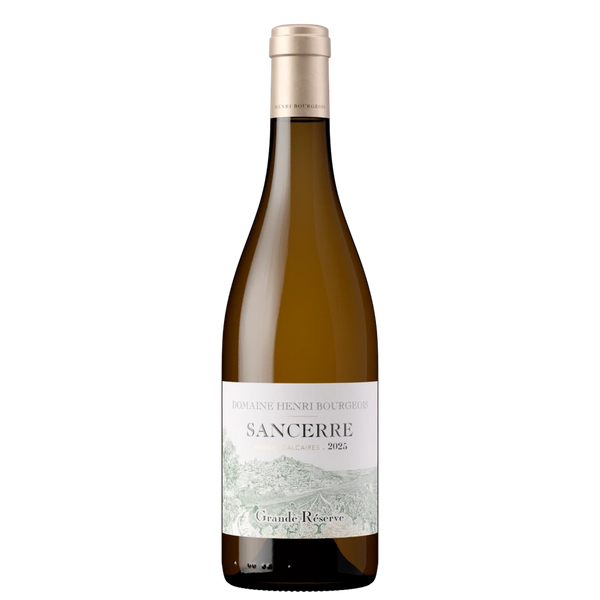

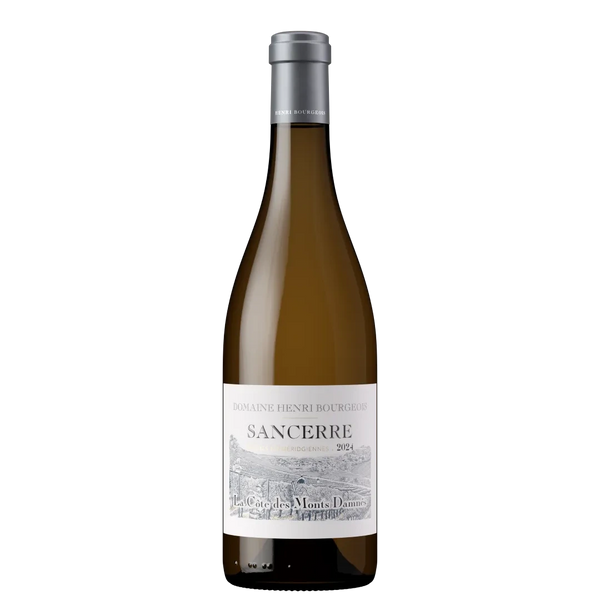
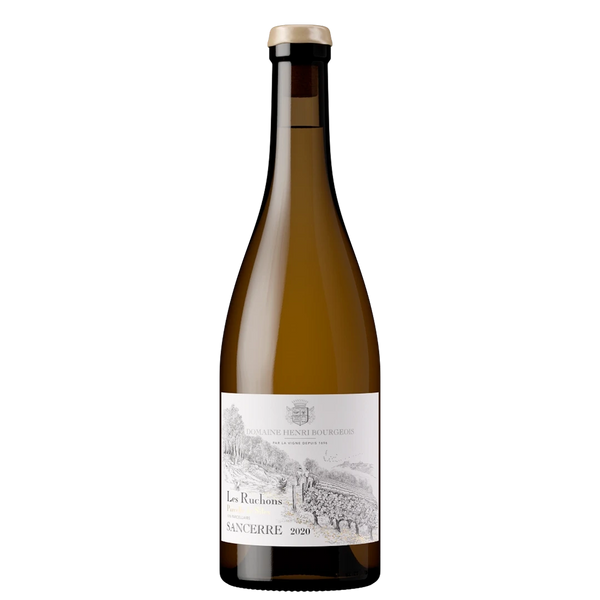
These wines are fresh, approachable, and expressive as soon as they are opened. They keep the cellar alive — always a bottle on hand for a spontaneous evening or an everyday meal.
These wines ask for patience — and reward it. They have the structure (acidity, body, terroir) to evolve favorably over the years. They are often the most interesting wines in the long run.
The ideal range is between 50 and 57°F (10 and 14°C) — but stability matters even more. A cellar that swings between 46°F (8°C) in winter and 72°F (22°C) in summer ages wine prematurely and unevenly. Every temperature swing acts like a pump that wears the wine out.
Humidity between 65% and 75% keeps corks supple and airtight. Below 50%, corks dry out and encourage oxidation. Above 85%, mold sets in — unpleasant, but less dangerous to the wine itself.
UV light degrades aromas, especially in white wines. Store bottles away from any direct light. Vibration disturbs the natural sediment in aging wines and can accelerate unwanted chemical reactions.
This is a lesser-known but fascinating approach: organizing your cellar not by grape variety or price, but by geological origin. Sancerre's three terroirs offer very distinct profiles and natural diversity:
A cellar structured around these three terroirs is a cellar that understands Sancerre from the inside — and always offers the right bottle for the occasion and the mood.
FAQ
How many bottles do you need to start a cellar?
Between 12 and 24 well-chosen bottles are enough to get started. The key is to vary the styles and include at least 1/3 wines with aging potential.
Do you need to spend a lot for a good cellar?
No. A coherent cellar can be built on a reasonable budget, as long as you make informed choices rather than chasing prestigious labels.
Which Sancerre wines should you lay down?
White Sancerres from flint or Kimmeridgian terroirs ("ES-56", "La Côte des Monts Damnés") can generally hold for 5 to 10 years depending on the vintage. Red Sancerres generally evolve well over 6 to 8 years.
Can you build a cellar without a physical cellar space?
Yes. A temperature-controlled wine cabinet or a cool basement is enough for wines to be drunk within 5 years. For long-term aging (10 years or more), a real cellar with a stable temperature is preferable.

A Bourgeois Family Recipe: Salmon en Bellevue

Which dry white wine is best for an aperitif? Our tips and selection

The 3 Terroirs of Sancerre: Flint, Caillottes, and White Soil