
Food and wine pairings
Sancerre: What Food to Pair? Pairings and Cuvées by Domaine Henri Bourgeois


Sancerre: What Food to Pair? Pairings and Cuvées by Domaine Henri Bourgeois
Choosing a dish for a Sancerre – or a Sancerre for a dish – becomes less arbitrary once you understand one thing: the wine is not neutral. In Sancerre, it is shaped by the soil that bore it. A Sauvignon Blanc on flint does not have the same tension as a Sauvignon on clay-limestone. And this difference, at the table, changes everything.
At Domaine Henri Bourgeois, we have been cultivating vines in Sancerre for generations. Our cuvées cover the three main terroirs of the appellation: clay-limestone, Kimmeridgian marl, and flint. This guide is built around this terroir logic – because a well-understood pairing is a remembered pairing, then reinvented.
Here's how we interpret our own wines at the table.
The limestone clays of Sancerre produce wines that are both fresh and round, aromatically expressive, and immediately accessible. These are the most versatile wines of the appellation—and the most versatile at the table.
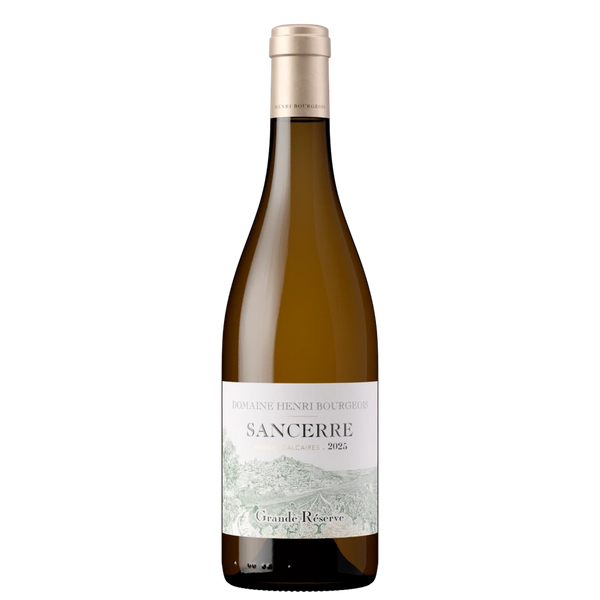
Relevant cuvées: "Grande Réserve blanc", "Les Côtes aux Valets" (single vineyard).
Recommended pairings:
Our serving recommendation: 10–12°C. Serving it too cold locks in the aromas; too warm, and you lose the freshness that makes the pairing work.
Kimmeridgian marls — also known as Terres Blanches in Sancerre — produce wines of a different nature. More taut, more mineral, with a saline finish that makes them particularly precise at the table. These wines like resistance: they open up with dishes that have character.
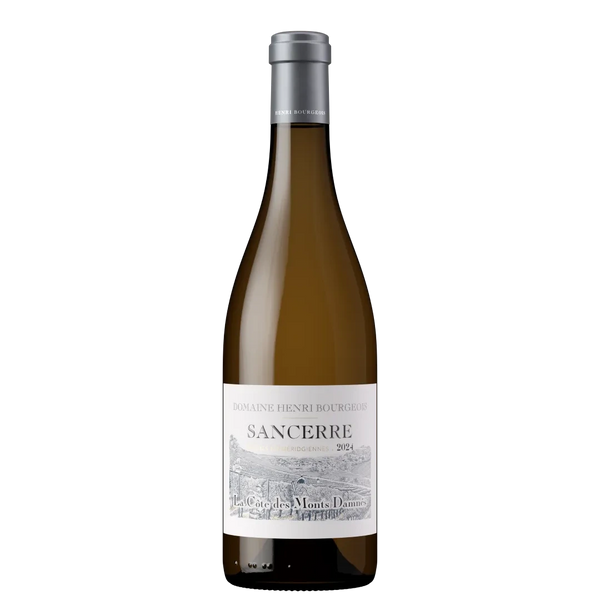
Affected cuvées: "La Côte des Monts Damnés", "Jadis", "Le Cotelin" (single vineyard).
Recommended pairings:
Sancerre's flint parcels along the Loire River yield the appellation's most linear and intense wines. Vertical tension, an almost iodized salinity, and remarkable length on the palate. These wines are uncompromising: they demand dishes with character.
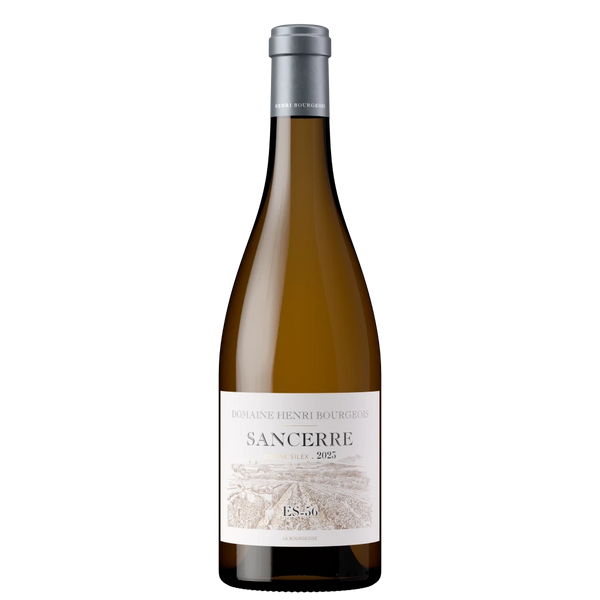
Affected cuvées: "ES-56 blanc", "d'Antan", "Les Ruchons" (single plot).
Recommended pairings:
Sancerre Rouge is a Pinot Noir. It's important to understand this from the outset: no powerful tannins, no deep color, but a finesse and freshness that make it a unique wine in the landscape of French reds. It doesn't pair with the same dishes as a Bordeaux or a Rhône, and that's precisely its strength.
Sancerre Rouge stands out for its silky tannins, natural freshness, and mineral precision, making it a discreet gastronomic wine – one that enhances the dish rather than overpowering it.
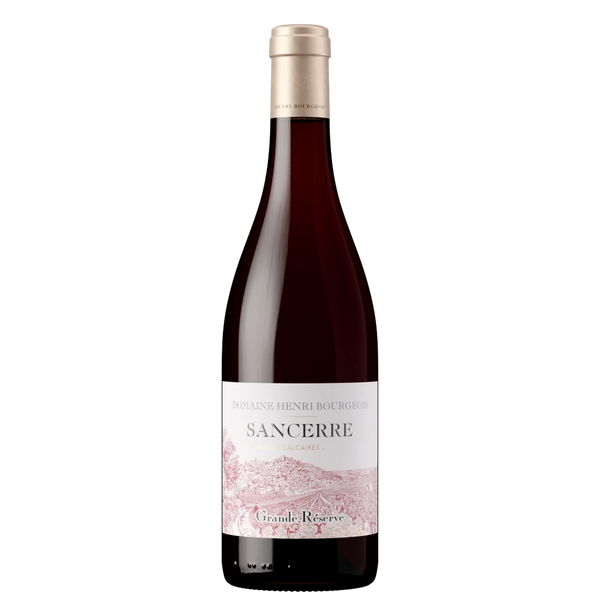
Our "Grande Réserve red" is our entry-level Sancerre red. Grown on clay-limestone soils, it develops a fruity and accessible profile, with fine tannins and a beautiful freshness.
Food pairings: roasted poultry (duck breast, guinea fowl), grilled veal, mushroom pasta, quality cold cuts. A versatile wine par excellence, which embraces diversity.
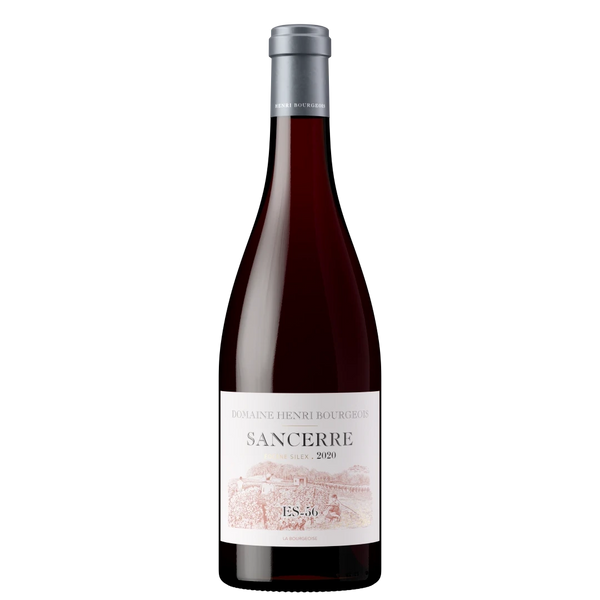
"ES-56 Rouge" on flint is our most linear Sancerre red. Its mineral tension makes it a precise wine, ideal with dishes of fine texture.
Pairings: roasted lamb (rack, shoulder), pigeon in a casserole, rabbit with mustard, elaborate wild mushroom preparations. The wine's freshness particularly counterbalances the deep aromas of feathered game.
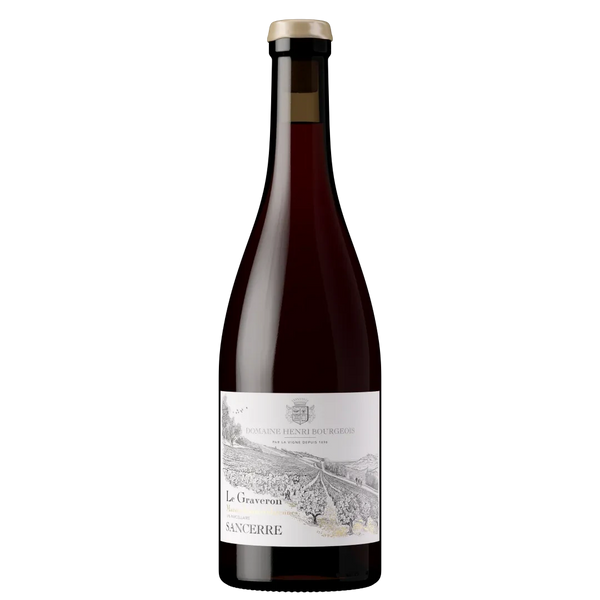
"Le Graveron" is our single-vineyard red wine, grown on Kimmeridgian marl. It is the most ambitious red Sancerre of the estate: more present tannins, a longer finish, and a saline note characteristic of the marl.
Food pairings: furred game (roe deer, hind, jugged hare), grilled veal chop, lean red meat (skirt steak, hanger steak), dishes in a reduced red wine sauce. This is the closest our cuvée gets to a Burgundian style.
Note on tannins: a Sancerre rouge is a wine with an often delicate tannic structure. If you are looking for a pairing with a very marbled red meat or a powerful sauce, prefer our "Graveron" and serve it between 16 and 17°C so that the tannins can express themselves fully.
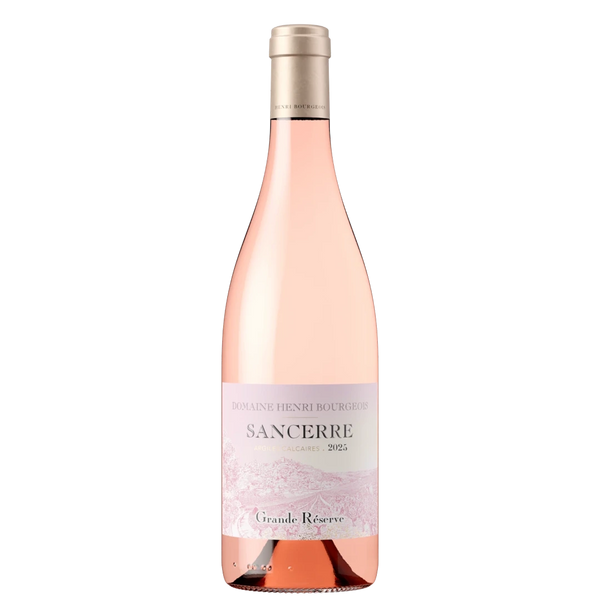
Sancerre rosé is made from Pinot Noir vinified as a rosé — either by saignée or direct pressing (the latter technique is used at Domaine Henri Bourgeois). It is a dry, crisp, fruity wine without being sweet: very different from Provence rosés in its profile, closer to white wine in its structure.
Affected cuvée: "Grande Réserve rosé".
Sancerre rosé is perfect for summer aperitifs: vegetable verrines, tapenade toasts, light charcuterie, anchovies. Its freshness is an asset in hot weather.
For summer meals: Salade Niçoise, white pizza with seasonal vegetables, ratatouille, light grilled dishes (chicken, grilled fish). The wine's tension gives structure to simple dishes.
It's a surprise we love to share: Sancerre rosé works remarkably well with Asian cuisine. Its fruity aromas and acidic freshness pair perfectly with the umami flavors and slight sweet-and-sour notes found in Thai, Vietnamese, or Japanese dishes.
Specific pairings: spring rolls, light pho, sushi and maki with white fish, lime chicken stir-fry, shrimp fritters. The rosé holds its own where white wine might sometimes be too crisp, and red wine too powerful.
A 3-year-old Sancerre rosé can accompany richer seafood dishes than an aperitif: seafood platters, grilled lobster, or snapper en papillote. Its structure is sufficient to stand up to the iodine and texture of shellfish.
Behind every chord we recommend, there is a mechanism. Understanding how it works means no longer needing a list—but rather a line of reasoning.
We pair what's missing in the dish with what the wine provides. A rich, fatty dish calls for a lively, acidic wine — the acidity cleanses the palate and gives a sense of lightness. A fatty, intense smoked salmon is brightened by the tension of a Sancerre blanc. The wine balances what the dish lacks.
We choose a wine that amplifies what is already in the dish. A dish with marine notes calls for a mineral and iodized wine — like an "ES-56" or a "d'Antan" on flint with a sea bass tartare. One reinforces the other. The two complement each other rather than clash.
This is the logic we hold dearest. Wines and regional cuisines have evolved together for centuries. It's no accident that Sancerre blanc pairs so naturally with Crottin de Chavignol: both come from the same clay-limestone soil of the Loire. This terroir logic extends beyond regional borders, but it is particularly evident in Sancerre.
Our single-vineyard cuvées — "Le Cotelin" and "Le Graveron" from Kimmeridgian marl, "Les Ruchons" from flint, "Les Côtes aux Valets" from calcareous clay — were selected because they express the terroir with a clarity that, at the table, translates into precise pairings. This is no coincidence: it is the result of years of observation, tasting, and sharing.
A good pairing starts with knowing what doesn't work. Here are the combinations that create sensory conflicts with Sancerre:
| Colour | Terroir | Key vintages | Preferred dishes |
|---|---|---|---|
| White | Calcareous clays | "Grande Réserve", "Les Côtes aux Valets" | Grilled fish, poultry, fresh goat cheese, aperitif |
| White | Kimmeridgian marl | "La Côte des Monts Damnés", "Jadis", "Le Cotelin" | Fish in sauce, white meats, aged goat cheese, risottos |
| White | Flint | "ES-56", "d'Antan", "Les Ruchons" | Raw fish, seafood, sashimi, aged cheeses |
| Red | Calcareous clays | "Grande Réserve rouge" | Poultry, grilled veal, mushroom pasta |
| Red | Flint | "ES-56 rouge" | Lamb, pigeon, rabbit, wild mushrooms |
| Red | Kimmeridgian marl | "Le Graveron" | Game, lean red meats, reduced sauces |
| Rosé | Calcareous clays | "Grande Réserve rosé" | Aperitif, summer cuisine, Asian cuisine, seafood |
Winemakers in Sancerre since 1696, the Bourgeois Family shares this conviction: wine takes on its full meaning at the table. These pairings are not rules—they are starting points for lasting moments.
FAQ
What dish pairs well with a Sancerre white wine?
A white Sancerre pairs well with a wide variety of dishes — but the precise choice depends on the terroir. For limestone-clay soils ("Grande Réserve"), opt for grilled fish, roasted poultry, or fresh goat cheese. For Kimmeridgian marl soils ("Jadis", "La Côte des Monts Damnés"), prefer fish in sauce, risotto, or aged goat cheese. For flint soils ("ES-56", "d’Antan"), go for raw fish, seafood, or sashimi.
Can you drink a Sancerre rouge with red meat?
Yes, and it's even one of its most successful pairings — provided you choose lean meats and preparations without overly rich sauces. Sancerre Pinot Noir has fine tannins and a natural freshness that make it particularly suitable for lamb, pigeon, or grilled veal. For stronger meats or game, "Le Graveron" from Kimmeridgian marl soils is our first recommendation.
Does white Sancerre go with cheese?
Absolutely—and it's one of France's most famous pairings. Crottin de Chavignol with a white Sancerre is a "terroir" pairing: both come from the same clay-limestone soil of the Loire. For fresh goat cheese, choose "Grande Réserve" from clay-limestone soils. For aged goat cheese, "Jadis" or "La Côte des Monts Damnés" from Kimmeridgian marls. However, washed-rind soft cheeses (Munster, Epoisses) should be avoided—their intensity overwhelms the wine.
What to pair with Sancerre Rosé?
Sancerre Rosé "Grande Réserve" is a versatile wine, perfect for aperitifs and summer cuisine: Niçoise salad, light grilled dishes, white pizza. Its real surprise at the table, however, is with Asian cuisine: nem, bo bún, chicken stir-fry. The tension of the rosé works where a white might sometimes be too crisp and a red too powerful.

Sancerre: What Food to Pair? Pairings and Cuvées by Domaine Henri Bourgeois

Romantic weekend in the Sancerre vineyards

Sancerre vs Pouilly-Fumé: What's the Difference?


